
永續學堂
綠色革命:可持續材料如何推動全球低碳經濟轉型
隨著氣候變遷、環境污染和資源枯竭問題日益嚴重,各國政府、企業和消費者對於可持續發展的關注不斷提高。綠色建材、環保紡織品、生物塑膠等創新材料,正逐步取代傳統高碳排放材料,推動全球產業向低碳經濟轉型。
As climate change, environmental pollution, and resource depletion become increasingly severe, governments, businesses, and consumers worldwide are paying more attention to sustainable development
As climate change, environmental pollution, and resource depletion become increasingly severe, governments, businesses, and consumers worldwide are paying more attention to sustainable development. Innovative materials such as green building materials, eco-friendly textiles, and bioplastics are gradually replacing traditional high-carbon-emission materials, driving industries toward a low-carbon economy.
重點摘要
Executive Summary / Lead隨著氣候變遷、環境污染和資源枯竭問題日益嚴重,各國政府、企業和消費者對於可持續發展的關注不斷提高。綠色建材、環保紡織品、生物塑膠等創新材料,正逐步取代傳統高碳排放材料,推動全球產業向低碳經濟轉型。
根據國際市場研究機構的數據, 全球可持續材料市場預計在 2030 年前突破 5000 億美元 ,其中建築、時尚、電子與包裝行業的需求增長最為顯著。各國政府已陸續推出相關法規,鼓勵企業投資於可再生材料的研究與開發,帶動整個產業鏈向環保方向發展。
As climate change, environmental pollution, and resource depletion become increasingly severe, governments, businesses, and consumers worldwide are paying more attention to sustainable development. Innovative materials such as green building materials, eco-friendly textiles, and bioplastics are gradually replacing traditional high-carbon-emission materials, driving industries toward a low-carbon economy.
企業與產業背景
Company & Industry Context在此趨勢下, 竹子、工業大麻、菌絲體、回收塑膠、生物塑膠、軟木、有機棉與回收金屬 等創新材料,正逐漸進入主流市場,為全球可持續發展帶來全新契機。
According to international market research data, the global sustainable materials market is projected to surpass $500 billion by 2030, with the highest demand growth in the construction, fashion, electronics, and packaging industries. Governments worldwide are introducing regulations encouraging businesses to invest in the research and development of renewable materials, fostering an industry-wide shift toward sustainability.
In response to this trend, bamboo, industrial hemp, mycelium, recycled plastics, bioplastics, cork, organic cotton, and recycled metals are entering the mainstream market, offering new opportunities for global sustainability.
挑戰與重要性
Challenge / Why It Matters竹子:快速生長的可再生建材,推動綠色經濟發展
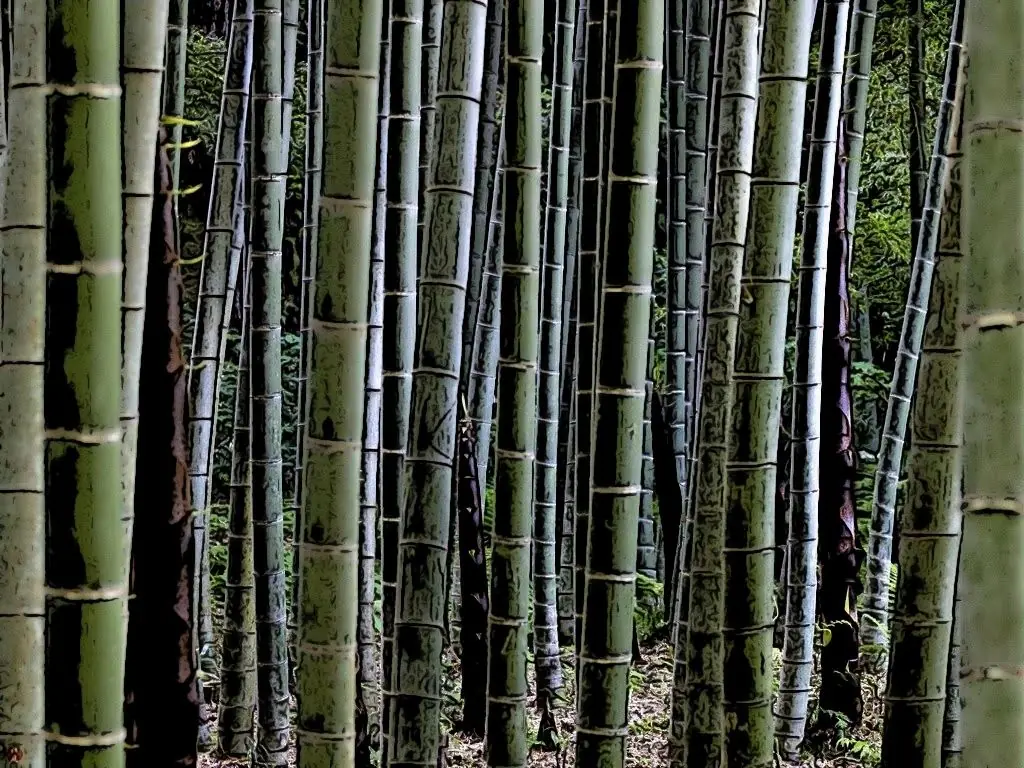
竹子以其 極快的生長速度、優異的強度與高度可再生性 ,成為建築、家居、時尚與包裝領域的理想材料。與傳統木材相比,竹子的生長週期僅需 3 至 5 年,而橡木等硬木則需 50 年以上。此外,竹林的碳吸收能力遠高於普通森林,使其成為應對氣候變遷的關鍵材料。
竹子在建築與家居產業的應用
Bamboo: A Rapidly Renewable Material Driving Green Economic Development
Bamboo has become an ideal material for construction, home goods, fashion, and packaging due to its fast growth, high strength, and excellent renewability. Compared to traditional wood, bamboo requires only 3 to 5 years to mature, whereas hardwoods like oak take over 50 years. Additionally, bamboo forests absorb significantly more carbon than conventional forests, making them a key material for combating climate change.
Applications of Bamboo in Construction & Home Goods
行動、方案與執行
Action / Solution / Implementation竹子的高抗壓強度與柔韌性,使其廣泛應用於 耐用地板、環保鷹架、家具與綠色建築結構 ,有效降低碳排放並提升材料的可回收性。例如:
竹纖維紡織品:舒適、耐用且可生物降解
隨著消費者對可持續時尚的需求上升,許多品牌開始使用 竹纖維製造服飾與家居紡織品 。竹纖維不僅具有良好的透氣性,還能自然抗菌,是棉花與聚酯纖維的環保替代方案。
工業大麻:低資源需求、高強度的多功能環保材料
工業大麻(Hemp)因其 耐旱、低資源消耗與高纖維強度 ,成為環保產業的核心材料之一。其應用範圍廣泛,涵蓋 建築、包裝、生物塑膠、紡織品與紙張製造 ,可有效減少對石化塑膠與木材紙漿的依賴。
「大麻混凝土」(Hempcrete):綠色建築的新選擇
Hempcrete 由工業大麻纖維與石灰混合而成,具有 輕盈、高保溫性、耐火性與碳封存能力 ,被視為混凝土的可持續替代品。這種材料不僅能減少建築過程中的碳排放,還能提高建築物的能源效率。
Bamboo’s high compressive strength and flexibility make it widely used in durable flooring, eco-friendly scaffolding, furniture, and green building structures, effectively reducing carbon emissions and enhancing recyclability. Examples include:
Bamboo Fiber Textiles: Comfortable, Durable, and Biodegradable
With rising consumer demand for sustainable fashion, many brands are adopting bamboo fiber for clothing and home textiles. Bamboo fiber offers excellent breathability and natural antibacterial properties, making it an eco-friendly alternative to cotton and polyester.
Industrial Hemp: A Low-Resource, High-Strength Multi-Purpose Material
Industrial hemp (Hemp) is gaining attention in the sustainability sector due to its drought resistance, low resource consumption, and high fiber strength. It is widely used in construction, packaging, bioplastics, textiles, and paper manufacturing, helping to reduce reliance on petroleum-based plastics and wood pulp.
Hempcrete: A Sustainable Alternative to Traditional Concrete
Hempcrete is a lightweight, highly insulating, fire-resistant, and carbon-sequestering material made from hemp fibers and lime. It is increasingly being considered as a sustainable alternative to conventional concrete, reducing carbon emissions during construction while enhancing building energy efficiency.
證據、成果與影響
Evidence / Results / Impact工業大麻在生物塑膠與可降解包裝中的應用
由大麻纖維製成的生物塑膠,可用於 食品包裝、一次性用品與環保容器 ,有效減少塑膠污染。此外,大麻紙比傳統木漿紙減少 70% 的水資源消耗,並可回收再利用,對環境更加友善。
菌絲體:生物技術塑膠替代品,革新包裝與建材市場
菌絲體(Mycelium)是來自真菌的天然材料,具有 可塑性強、快速生長與完全生物降解 的特性,被廣泛用於 生物包裝、家具、建築隔熱材料與植物性皮革 。
創新應用實例:
Hemp in Bioplastics & Eco-Friendly Packaging
Hemp fibers are also used to produce bioplastics for food packaging, disposable items, and eco-friendly containers, significantly reducing plastic pollution. Additionally, hemp paper requires 70% less water than traditional wood pulp paper and is fully recyclable, making it an environmentally friendly alternative.
Mycelium: A Biotech-Based Plastic Alternative Transforming Packaging & Construction
Mycelium, a natural material derived from fungi, is known for its strong adaptability, rapid growth, and complete biodegradability. It is widely used in biodegradable packaging, furniture, insulation materials, and plant-based leather alternatives.
Innovative Applications of Mycelium:
Recycled Plastics: Creating Value from Waste
With over 300 million tons of plastic waste generated globally each year, advancements in plastic recycling technologies are helping industries significantly reduce plastic pollution. Recycled plastics are increasingly used in fashion, construction, 3D printing, and packaging innovations, promoting circular economy solutions.
產業與制度意涵
Industry & Institutional Implications回收塑膠:從廢棄物中創造價值
全球每年產生超過 3 億噸塑膠廢棄物,而回收塑膠技術的發展,正在幫助各產業有效減少塑膠污染。回收塑膠可應用於 服飾、建築、3D 列印與創新包裝 ,實現資源循環再利用。
未來展望:可持續材料的市場機遇與技術發展
Future Outlook: Market Opportunities & Technological Advancements in Sustainable Materials
SNN 編輯與揭露前證據基礎設施觀點
SNN Editorial / Pre-Disclosure Evidence Infrastructure Perspective隨著全球對氣候變遷與資源永續性的關注不斷提升,綠色材料的市場需求預計將在未來 10 年內持續增長。企業正積極投資新技術,以提高環保材料的生產效率,並拓展其應用範圍。
As global awareness of climate change and resource sustainability continues to grow, demand for green materials is expected to increase steadily over the next decade. Companies are actively investing in new technologies to enhance the efficiency and scalability of sustainable materials while expanding their applications.
未來展望
Future Outlook預計到 2030 年, 全球綠色材料市場將增長至 5000 億美元 ,涵蓋建築、時尚、電子、交通、食品與包裝等多個行業。隨著政策支持與市場需求的增長,可持續材料將成為未來產業轉型的關鍵驅動力。
By 2030, the global green materials market is projected to reach $500 billion, spanning multiple industries, including construction, fashion, electronics, transportation, food, and packaging. With continued policy support and market demand, sustainable materials will be a key driver of future industrial transformation, paving the way for a more eco-friendly and resource-efficient world.
來源、證據鏈與責任編輯
主題中心:氣候與能源轉型
SNN.TW 原始刊登紀錄 ↗