
全球脈動
蝦殼不只是垃圾?
在大部分人的眼中,蝦殼就是吃海鮮後的廚餘,沒有任何價值。但阿拉伯聯合大公國沙迦大學的一支研究團隊,卻決定挑戰這個刻板印象。他們的研究成果顯示,這些看似沒用的蝦殼,竟然可以被加工成能有效捕捉二氧化碳(CO₂)的材料,甚至可能成為對抗氣候變遷的重要利器。
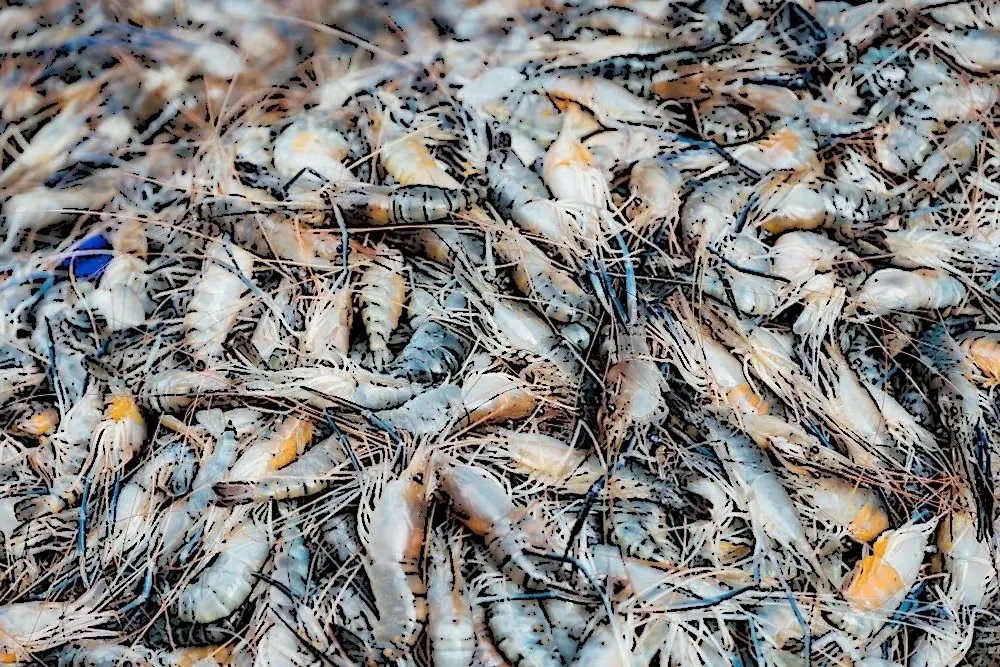
For most people, shrimp shells are nothing more than kitchen waste left behind after a seafood meal
For most people, shrimp shells are nothing more than kitchen waste left behind after a seafood meal. But a research team at the University of Sharjah in the United Arab Emirates has challenged that assumption.
重點摘要
Executive Summary / Lead在大部分人的眼中,蝦殼就是吃海鮮後的廚餘,沒有任何價值。但阿拉伯聯合大公國沙迦大學的一支研究團隊,卻決定挑戰這個刻板印象。他們的研究成果顯示,這些看似沒用的蝦殼,竟然可以被加工成能有效捕捉二氧化碳(CO₂)的材料,甚至可能成為對抗氣候變遷的重要利器。
For most people, shrimp shells are nothing more than kitchen waste left behind after a seafood meal. But a research team at the University of Sharjah in the United Arab Emirates has challenged that assumption. Their findings show that discarded shrimp shells can be processed into materials capable of capturing carbon dioxide (CO₂), potentially becoming a valuable tool in the fight against climate change.
企業與產業背景
Company & Industry Context全球海鮮廢棄物的隱憂
據估計,全球每年有數百萬噸的蝦、螃蟹與龍蝦殼被丟棄。大部分最終不是被掩埋,就是流入海洋,造成廢棄物管理壓力與生態污染。對於仰賴海鮮貿易的國家而言,這些副產品往往被視為「無解的垃圾」。然而,研究團隊卻看見了另一種可能:把這些沒人要的廢棄物,轉化為地球所需要的資源。
The Hidden Burden of Seafood Waste
Globally, millions of tons of shrimp, crab, and lobster shells are discarded each year. Much of this waste ends up in landfills or the ocean, adding to waste management challenges and environmental pollution. For seafood-exporting nations, these byproducts have long been considered an “unsolvable” waste problem. But researchers saw another possibility: transforming unwanted shell waste into a resource the planet urgently needs.
挑戰與重要性
Challenge / Why It Matters從蝦殼到碳捕捉材料的旅程
研究過程並不簡單。首先,研究人員必須收集蝦的外殼、頭部與腸道,進行清洗與烘乾。接著透過「熱解」(pyrolysis)技術,在高溫無氧的環境下,將其轉化為生物炭。這只是第一步。接下來,生物炭要再經過酸洗、化學活化處理與球磨,才能成為擁有多孔結構的「活性碳」。
Turning Shrimp Shells into Carbon-Capture Materials
The process is far from simple. Researchers collect shrimp exoskeletons, heads, and intestines, then clean and dry them. Through a method called pyrolysis - heating in an oxygen-free environment - the shells are converted into biochar. This biochar is then further refined through acid washing, chemical activation, and ball milling, resulting in a porous form of activated carbon.
行動、方案與執行
Action / Solution / Implementation這種活性碳的特點,是表面積極大、孔隙分布均勻,就像一個天然的「吸附海綿」,能有效捕捉空氣中的二氧化碳。研究顯示,這種蝦殼活性碳不僅吸附能力強,還能在多次循環使用後維持穩定,代表它可重複利用,降低長期成本。
科學家怎麼看?
帶領這項研究的 Haif Al-Jomard 博士 和 Chaouki Ghenai 教授 表示,這種技術不只是實驗室裡的理想,而是可以大規模推廣的方案。比起傳統碳捕捉技術動輒依賴昂貴材料,蝦殼作為原料不僅便宜,來源也幾乎取之不盡。對於電力、鋼鐵、水泥與石化產業等高碳排放部門,這項技術有潛力帶來顯著的減碳效果。
This activated carbon has an exceptionally large surface area and evenly distributed pores, making it a natural “adsorption sponge” for CO₂. Studies show that shrimp-shell carbon not only has strong adsorption capacity but also maintains stability over multiple cycles, making it reusable and cost-effective.
Expert Views
Lead researchers Dr. Haif Al-Jomard and Professor Chaouki Ghenai emphasize that this technology is not just a laboratory concept but one that can be scaled up. Unlike conventional carbon capture methods that rely on costly materials, shrimp shells are cheap and widely available. For heavy-emitting industries such as power, steel, cement, and petrochemicals, the potential for emissions reduction is significant.
證據、成果與影響
Evidence / Results / Impact更令人驚喜的是,這種蝦殼活性碳並不只限於減碳。它還可以被應用在水質淨化、空氣濾材、溶劑回收,甚至是醫療與金屬提煉領域。換句話說,蝦殼可能會從餐桌上的廢棄物,搖身一變成為多功能的「環保明星」。
循環經濟的最佳示範
這項成果完美呼應了「循環經濟」的精神——最大化資源價值、最小化浪費。原本要進垃圾場的蝦殼,如今卻能成為對抗氣候變遷的新材料。這不僅有助於減少廢棄物污染,也能同時降低大氣中的二氧化碳濃度,達到一石二鳥的效果。
Even more promising, shrimp-shell carbon has applications beyond decarbonization. It can be used in water purification, air filtration, solvent recovery, medical treatments, and even metal extraction. In other words, what was once considered table waste could become a versatile “green resource.”
A Model of Circular Economy
The innovation perfectly illustrates the principles of the circular economy: maximizing resource value while minimizing waste. What was once destined for landfills can now become a material that reduces CO₂ in the atmosphere. The result is a dual benefit - cutting pollution while tackling climate change.
產業與制度意涵
Industry & Institutional Implications展望未來
雖然這項技術仍處於研究推廣階段,但團隊相信它具備商業化潛力。若能與海鮮加工產業、能源與重工業結合,未來或許能打造出一條全新的產業鏈:從餐桌剩下的蝦殼,到工業規模的碳捕捉設施,形成真正的資源循環。
Looking Ahead
Although the technology is still in early development, the team believes it has strong commercialization potential. If integrated with the seafood processing industry and carbon-intensive sectors, it could form a new industrial chain - from leftover shells on the dinner plate to industrial-scale carbon capture systems.
SNN 編輯與揭露前證據基礎設施觀點
SNN Editorial / Pre-Disclosure Evidence Infrastructure Perspective這項研究提醒我們,對抗氣候變遷不一定要依靠高科技或昂貴稀有資源,有時候答案可能就藏在我們每天丟掉的垃圾裡。
This research underscores an important point: fighting climate change does not always require rare or expensive high-tech solutions. Sometimes, the answer may lie hidden in the waste we throw away every day.
未來展望
Future Outlook誰會想到,一隻小小的蝦殼,竟然能扛起減碳救地球的大任務?
Who would have thought that something as small as a shrimp shell could shoulder such a big task in saving the planet?
來源、證據鏈與責任編輯
主題中心:氣候與能源轉型
SNN.TW 原始刊登紀錄 ↗