
全球脈動
關稅一來,車廠全亂跑
在全球電動車市場快速轉型之際,日本車廠本田(Honda)原訂在加拿大打造全方位電動車製造樞紐的大規模投資計畫,近日面臨重大調整。受到美國即將實施的新一輪汽車進口關稅政策影響,本田已表明將部分產能移轉至美國境內,同時重新審視在加拿大的投資步伐與時程。這一策略性調整,不僅衝擊加拿大作為北美新能源車基地的前景,也揭示跨國車廠面對政策變數時,全球供應鏈重新配置的趨勢與挑戰。
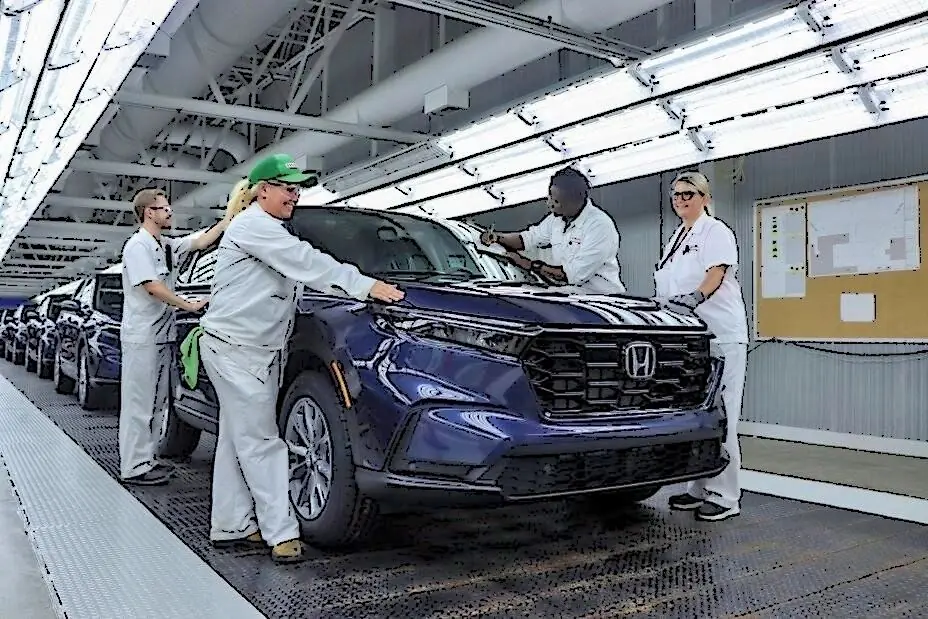
Japanese automaker Honda is significantly adjusting its original plan to build a comprehensive EV manufacturing hub in Canada
As the global electric vehicle (EV) market undergoes rapid transformation, Japanese automaker Honda is significantly adjusting its original plan to build a comprehensive EV manufacturing hub in Canada. Triggered by upcoming U.S. import tariff policies, Honda has announced a shift of part of its production capacity to the United States and is re-evaluating the pace and scope of its investments in Canada.
重點摘要
Executive Summary / Lead在全球電動車市場快速轉型之際,日本車廠本田(Honda)原訂在加拿大打造全方位電動車製造樞紐的大規模投資計畫,近日面臨重大調整。受到美國即將實施的新一輪汽車進口關稅政策影響,本田已表明將部分產能移轉至美國境內,同時重新審視在加拿大的投資步伐與時程。這一策略性調整,不僅衝擊加拿大作為北美新能源車基地的前景,也揭示跨國車廠面對政策變數時,全球供應鏈重新配置的趨勢與挑戰。
As the global electric vehicle (EV) market undergoes rapid transformation, Japanese automaker Honda is significantly adjusting its original plan to build a comprehensive EV manufacturing hub in Canada. Triggered by upcoming U.S. import tariff policies, Honda has announced a shift of part of its production capacity to the United States and is re-evaluating the pace and scope of its investments in Canada. This strategic realignment not only casts uncertainty over Canada’s role as a North American EV base but also highlights the mounting challenges global automakers face in reconfiguring supply chains in response to policy volatility.
企業與產業背景
Company & Industry Context美關稅施壓 本田大幅調整北美布局
本田社長三部敏宏(Toshihiro Mibe)在5月13日召開的財報說明會上明言,若美國新一輪關稅政策長期維持,本田將「必須在美國擴大產能」,並已展開相關可行性調查。根據美方預告,針對中國、墨西哥與其他國家進口汽車與零組件的新關稅措施可能大幅提升在美販售非本地製造車款的成本。
U.S. Tariff Pressure Forces Honda to Rethink North American Strategy
During Honda’s earnings briefing on May 13, CEO Toshihiro Mibe stated that if the new round of U.S. tariffs remains in place long-term, the company will be "forced to expand production in the United States," and has already initiated related feasibility studies. According to advance notices from Washington, the proposed tariffs on vehicles and auto parts imported from China, Mexico, and other countries could significantly raise the cost of selling non-domestically produced cars in the U.S.
挑戰與重要性
Challenge / Why It Matters受到政策與成本雙重壓力,本田預測其2026財年營業利潤將暴跌近59%,約損失超過7,000億日圓(約48億美元),營業利潤率亦將大幅萎縮。這一預測促使本田加速啟動北美製造基地的再配置,包括將Civic油電混合車的生產從日本轉至印第安納州,同時將CR-V小型休旅車的產線自加拿大安大略轉往美國俄亥俄州或印第安納州的工廠。
加拿大投資暫緩 電池材料供應鏈受影響
Faced with both policy and cost pressures, Honda now forecasts that its operating profit for fiscal year 2026 could plunge by nearly 59%, with estimated losses exceeding 700 billion yen (approx. USD 4.8 billion). The company’s profit margins are also expected to shrink considerably. In response, Honda is accelerating its restructuring of North American production - moving Civic hybrid production from Japan to Indiana, and relocating CR-V crossover assembly from Ontario, Canada to facilities in Ohio or Indiana.
Canada Investment on Hold, Battery Material Supply Chain Disrupted
行動、方案與執行
Action / Solution / Implementation本田原訂在加拿大興建涵蓋電動車核心零組件與電池材料加工的綜合型製造中心,計畫包括正極活性材料(CAM)、前驅體(precursor)與電池隔離膜(separator)工廠,並與日本化工巨頭旭化成(Asahi Kasei)合作設立材料合資企業,打造完整的電池材料在地化供應鏈。
該投資若落實,將成為本田在加拿大歷來最大一筆資本支出,不僅為當地創造數千個就業機會,也可能使加拿大成為北美區域電池材料製造的重要節點。然而,隨著政策風險升高,本田目前對該投資案採取觀望態度。三部敏宏指出:「若條件改變,我們必須重新審視。我們會持續關注市場與政策發展,屆時再做決策。」
安大略政府施壓 汽車產業信心動搖
本田對加拿大投資的遲疑已引發地方政府不滿。安大略省長道格・福特(Doug Ford)上月曾對媒體表示本田不會撤出加拿大,「我們會讓本田留下,也會保住人民的就業機會。」但在本田最新聲明發布後,福特態度轉為強硬,表示若汽車製造商將產線移出加拿大,政府將「要求其負起責任」。
Honda’s original Canadian investment plan aimed to establish an integrated EV manufacturing complex, covering key components and battery material processing. The project included facilities for cathode active materials (CAM), precursors, and separators, and involved a joint venture with Japanese chemical giant Asahi Kasei to localize battery material supply chains.
Had it gone forward, the project would have marked Honda’s largest capital investment in Canada, potentially creating thousands of jobs and positioning the country as a key node in North America’s battery material manufacturing network. However, with rising policy risks, Honda has adopted a wait-and-see approach. "If conditions change, we will have to reassess," said CEO Mibe. "We are closely monitoring market and policy developments and will decide accordingly."
Ontario Government Pushes Back Amid Diminishing Auto Sector Confidence
Honda’s hesitation has stirred unease among local officials. Ontario Premier Doug Ford previously assured the public that Honda was committed to Canada, vowing to "keep Honda here and protect our jobs." But following Honda’s latest announcement, Ford took a firmer stance, declaring that automakers moving production out of Canada would be "held accountable" by the government.
This reaction underscores growing pressure on Canada to remain competitive in attracting automotive investments. As the U.S. uses tariff policies to incentivize domestic production, Canada risks falling behind in the global EV transition unless it can offer comparable incentives and policy stability.
證據、成果與影響
Evidence / Results / Impact此舉反映加拿大在吸引汽車製造投資上的壓力日增。面對美國藉由關稅政策拉攏製造回流,加拿大若無法提供相對誘因,恐在全球汽車電動化轉型浪潮中失去競爭優勢。
材料產業啟示:區域製造與政策協調成關鍵
電動車產業的快速成長對鋰電池材料、陰陽極材料、分離膜與電解液等關鍵材料需求大增。車廠與化學品公司紛紛尋求建立區域供應鏈,以避免依賴單一地區、減少運輸成本並符合各國本地化政策。
本田與旭化成原計畫的合資工廠,將為北美市場提供正極材料與隔離膜製造,有助於減輕對亞洲進口的依賴,並符合美國《通膨削減法案》(IRA)對電池材料來源的規範。如今此計畫暫緩,勢必衝擊旭化成原本在北美材料產能布局,亦為其他有意在北美設廠的材料供應商提供警訊:政策穩定性、關稅環境與跨境貿易風險將是未來投資選址的重要考量。
Lessons for the Materials Industry: Local Manufacturing and Policy Alignment Are Key
The EV boom has triggered soaring demand for critical materials such as lithium battery components, anode and cathode materials, separators, and electrolytes. Automakers and chemical firms are racing to build regionalized supply chains to avoid over-reliance on single regions, reduce transport costs, and comply with local content rules.
Honda and Asahi Kasei’s now-paused joint venture was intended to supply cathode materials and separators to the North American market, aligning with sourcing requirements under the U.S. Inflation Reduction Act (IRA) and reducing dependence on Asian imports. The delay will likely impact Asahi Kasei’s North American capacity plans and serve as a warning to other materials suppliers: policy predictability, tariff environments, and cross-border trade risks must now be central to investment decisions.
產業與制度意涵
Industry & Institutional Implications靈活產線策略因應市場不確定
除了轉移產能,本田也調整在美國的生產策略,提升產線彈性。2024年2月,本田宣布其美國工廠將導入混線生產模式,在相同產線同時生產燃油車、混合動力車與純電動車,以因應市場需求變化。這一策略不僅降低過剩風險,也顯示本田對北美電動車銷售增速放緩的審慎態度。
Flexible Manufacturing Strategies for Market Uncertainty
Beyond shifting capacity, Honda is also revamping its U.S. production strategy by increasing line flexibility. In February 2024, the company announced a mixed production line system at its U.S. plants that will allow simultaneous production of gasoline vehicles, hybrids, and full EVs. This approach mitigates the risk of overproduction and reflects Honda’s cautious outlook on the slowing growth of EV sales in North America.
SNN 編輯與揭露前證據基礎設施觀點
SNN Editorial / Pre-Disclosure Evidence Infrastructure Perspective結語:電動化轉型進入現實主義階段
Conclusion: EV Transition Enters a Phase of Realism
From the postponement of battery material investments in Canada to the enhancement of flexible production lines in the U.S., it is evident that global automakers are now operating in a “realist phase” of the EV transition. While the momentum toward electrification remains strong, automakers must also grapple with the realities of tariff protectionism, policy unpredictability, and regional political risks.
未來展望
Future Outlook從本田延後加拿大電池材料投資,到強化美國產線靈活度,可見全球汽車製造商已進入「現實主義階段」——既須回應綠色轉型大勢,也必須面對關稅保護主義與區域政治風險的挑戰。在這個階段,誰能建立具政策韌性與成本效益的在地化供應鏈,誰就能在全球電動車競爭中搶得先機。
In this new phase, those able to build cost-effective, policy-resilient localized supply chains will have the upper hand in the fiercely competitive global EV race.
來源、證據鏈與責任編輯
主題中心:永續制度與揭露
SNN.TW 原始刊登紀錄 ↗