
全球新聞
雀巢與ofi啟動最大規模農林合作,助可可供應鏈邁向淨零與EUDR合規
全球氣候風險升高與歐盟永續政策收緊,正在全面改寫可可產業的供應鏈模式。近日,食品巨頭雀巢(Nestlé)與原料供應商ofi(olam food ingredients)共同宣布,展開雙方迄今為止規模最大的全球農林業合作計畫,橫跨巴西、象牙海岸與奈及利亞三大產區,預計在五年內訓練2.5萬名農民導入氣候智慧農法,藉此實現碳減排、土地復育與產業韌性提升。
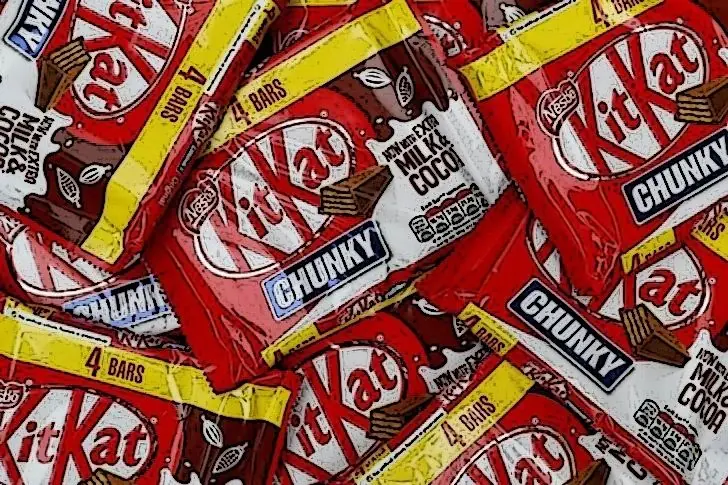
Nestlé and ofi Launch Large Agroforestry Partnership for Cocoa Supply Chains
The partnership aims to support lower-emission cocoa production, farmer resilience and deforestation compliance as climate and EU rules reshape the sector.
重點摘要
Executive Summary / Lead全球氣候風險升高與歐盟永續政策收緊,正在全面改寫可可產業的供應鏈模式。近日,食品巨頭雀巢(Nestlé)與原料供應商ofi(olam food ingredients)共同宣布,展開雙方迄今為止規模最大的全球農林業合作計畫,橫跨巴西、象牙海岸與奈及利亞三大產區,預計在五年內訓練2.5萬名農民導入氣候智慧農法,藉此實現碳減排、土地復育與產業韌性提升。
Global Climate Risks and EU Regulations Are Reshaping the Cocoa Industry: Nestlé and ofi Launch Largest Agroforestry Partnership to Date
Rising global climate risks and tightening EU sustainability regulations are reshaping the supply chain model of the cocoa industry. Recently, food giant Nestlé and ingredient supplier ofi (olam food ingredients) jointly announced their largest-ever global agroforestry partnership, spanning three major producing countries - Brazil, Côte d’Ivoire, and Nigeria. Over the next five years, the initiative aims to train 25,000 farmers in climate-smart agriculture to achieve emissions reduction, land restoration, and increased industry resilience.
企業與產業背景
Company & Industry Context這項合作案不僅是企業因應氣候變遷的對策,更是一場應對監管趨勢與消費者期待的供應鏈再造工程。
碳中和、再生農業與非森林商品新時代
可可,是全球最依賴熱帶森林的作物之一,也是毀林問題長年纏身的高風險原料。根據世界資源研究所(WRI)統計,光是象牙海岸與迦納兩國的森林損失中,大約有四分之一與可可種植有關。面對這一結構性難題,農林業成為業界共識的解方:透過在可可園中混種本土樹種,不僅能強化土壤碳儲存,還可提升生物多樣性與氣候適應力。
This partnership is not only a corporate response to climate change, but also a comprehensive supply chain transformation in response to evolving regulations and consumer expectations.
Carbon Neutrality, Regenerative Agriculture, and the Era of Deforestation-Free Commodities
挑戰與重要性
Challenge / Why It Matters雀巢與ofi本次合作即以此為核心策略,計畫於2030年前種植280萬棵樹、推動7.2萬公頃土地轉型為農林複合系統,並預計於2055年前累積減碳超過150萬噸二氧化碳當量。這項成果將由第三方驗證,並運用AI碳監測與AtSource數位足跡計算器進行全程追蹤。
Cocoa is one of the crops most dependent on tropical forests and has long been associated with deforestation risks. According to the World Resources Institute (WRI), roughly a quarter of forest loss in Côte d’Ivoire and Ghana is linked to cocoa cultivation. To address this structural issue, agroforestry has emerged as a widely endorsed solution: by interplanting native tree species in cocoa farms, soil carbon storage can be enhanced, biodiversity improved, and climate resilience strengthened.
Nestlé and ofi have made this the core strategy of their collaboration. By 2030, they plan to plant 2.8 million trees and convert 72,000 hectares of land into agroforestry systems. The project aims to reduce more than 1.5 million tonnes of CO₂ equivalent by 2055. These outcomes will be verified by third parties and tracked through AI-powered carbon monitoring and ofi’s AtSource digital footprint calculator.
行動、方案與執行
Action / Solution / Implementation回應歐盟EUDR與淨零轉型壓力
此次合作不只是企業自願減碳,更是對歐盟《反毀林法案》(EUDR)的正面回應。該法案自2024年12月起強制實施,要求企業確保其進口的可可、咖啡、木材等產品,不涉及在2020年後的森林毀壞行為,並提供「可追溯至產地小農」的地理證明。對全球可可供應鏈而言,這是一次前所未有的壓力測試。
ofi全球可可永續負責人Andrew Brooks指出:「我們正以農民為中心,從根本上回應氣候挑戰。」此番言論反映出,農民若無法被納入監管體系、提升生產模式,企業將難以滿足歐盟合規要求,甚至面臨歐洲市場的退出風險。
因此,這項合作除強調生態轉型,也涵蓋農民培訓、合規輔導與財務激勵。符合標準的小農將獲得金錢補助,作為種樹與維護的獎勵,也逐步建構「農民願意參與、企業有能力追蹤、消費者願意信任」的供應鏈正循環。
A Strategic Response to the EU Deforestation Regulation (EUDR) and Net-Zero Pressures
This collaboration goes beyond voluntary carbon reduction - it's a strategic response to the EU Deforestation Regulation (EUDR), which will come into full force in December 2024. The regulation requires companies to ensure that imported cocoa, coffee, timber, and other commodities are not linked to deforestation after 2020 and must be traceable to the smallholder farm level.
This represents an unprecedented compliance challenge for global cocoa supply chains. Andrew Brooks, Global Director of Sustainability for Cocoa at ofi, noted: “We are putting farmers at the center of our response to climate change.” His comments reflect a growing recognition that unless farmers are included in compliance systems and equipped with new production methods, companies risk falling short of EU requirements - and potentially losing access to European markets.
Thus, the partnership focuses not only on ecological transformation but also on farmer training, compliance support, and financial incentives. Farmers who meet sustainability criteria will receive direct payments as rewards for tree planting and maintenance - helping build a virtuous cycle where farmers are willing to participate, companies can trace progress, and consumers can place their trust in the supply chain.
證據、成果與影響
Evidence / Results / ImpactESG投資者與品牌消費者的新期待
此合作案也反映出ESG趨勢下的品牌壓力與金融邏輯。雀巢近年大舉推動其「可可計畫」(Nestlé Cocoa Plan)與2050淨零目標,需在產地端展現實質成效。另一方面,ofi作為全球最大可可原料供應商之一,也在推動「Cocoa Compass」與「Choices for Change」永續平台,希望成為品牌客戶(如雀巢、Mars、Mondelez)實現ESG承諾的戰略夥伴。
值得注意的是,農林碳匯與再生農業也正逐步納入碳市場與影響力投資的考量。此次由ofi內部碳計算團隊主導的碳追蹤機制,可能未來將成為碳信用額度的基礎,為企業創造額外財務誘因。
ESG Investors and Consumers Are Raising the Bar
This initiative also highlights the pressure on brands and the financial logic behind ESG trends. Nestlé, which has scaled up its “Nestlé Cocoa Plan” and pledged to reach net-zero by 2050, needs to demonstrate tangible progress at the source. Meanwhile, ofi - one of the world’s largest cocoa ingredient suppliers - is advancing its “Cocoa Compass” and “Choices for Change” sustainability platforms to position itself as a strategic partner for brands like Nestlé, Mars, and Mondelez in fulfilling ESG commitments.
Notably, agroforestry carbon credits and regenerative agriculture practices are increasingly being factored into carbon markets and impact investing. The carbon tracking system developed by ofi’s internal carbon team could potentially serve as the basis for future carbon credits, creating new financial incentives for companies.
產業與制度意涵
Industry & Institutional Implications亞洲啟示:從供應端到轉型者角色
Lessons for Asia: From Supply Base to Transformation Driver
SNN 編輯與揭露前證據基礎設施觀點
SNN Editorial / Pre-Disclosure Evidence Infrastructure Perspective儘管本次合作主要聚焦於非洲與拉丁美洲,但對亞洲企業與政府而言,其模式具有高度參考價值。無論是印尼與馬來西亞的棕櫚油業、越南的咖啡業,或台灣企業作為品牌端與原料採購方,都需思考如何參與類似農林轉型與再生農業合作,並強化供應鏈合規與碳風險管理能力。
Although the current partnership is focused on Africa and Latin America, its model holds significant implications for Asian companies and governments. Whether in Indonesia and Malaysia's palm oil sectors, Vietnam's coffee industry, or Taiwan-based brands and raw material buyers, there is a growing need to engage in agroforestry partnerships and regenerative agriculture to strengthen supply chain compliance and carbon risk management.
未來展望
Future Outlook同時,這也提出一個關鍵問題:永續農業的轉型成本由誰承擔?品牌商?消費者?政府?碳市場?雀巢與ofi本次合作提供一種可能的解方,即由產業鏈上下游協同合作、共同投資的模式,才能在保護森林、穩定供應、實現減碳之間取得平衡。
This also raises a critical question: who should bear the cost of transitioning to sustainable agriculture? Brands? Consumers? Governments? Carbon markets? The Nestlé–ofi partnership offers one possible answer: only through cross-sector collaboration and joint investment across the value chain can we strike a balance between forest protection, supply chain stability, and climate goals.
來源、證據鏈與責任編輯
主題中心:永續制度與揭露
SNN.TW 原始刊登紀錄 ↗