
全球脈動
3D列印建築的革命性潛力與可持續發展展望
近年來,建築業不斷尋求創新技術,以提高效率、降低成本並解決可持續性挑戰。3D列印建築技術成為近期的熱點話題,其革命性的潛力和應用前景引發廣泛關注。
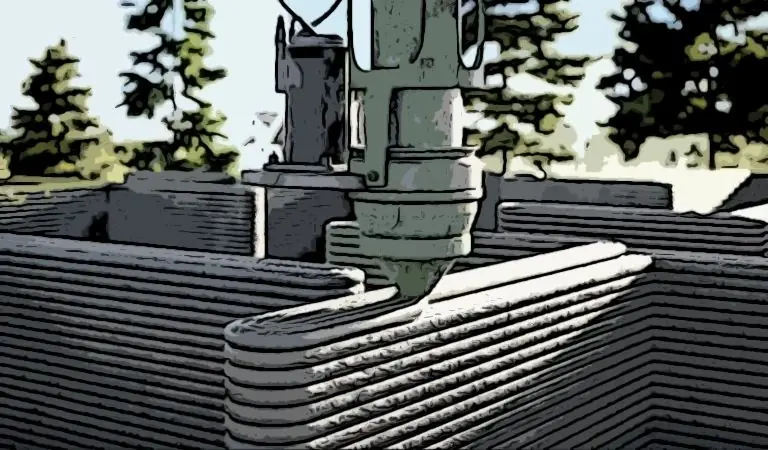
The revolutionary potential and sustainable development prospects of 3D printing architecture
In recent years, the construction industry has continued to seek innovative technologies to improve efficiency, reduce costs and solve sustainability challenges. 3D printing construction technology has become a hot topic recently, and its revolutionary potential and application prospects have attracted widespread attention.
重點摘要
Executive Summary / Lead近年來,建築業不斷尋求創新技術,以提高效率、降低成本並解決可持續性挑戰。3D列印建築技術成為近期的熱點話題,其革命性的潛力和應用前景引發廣泛關注。
3D列印建築以其快速、節能且可負擔的特性,為全球住房短缺提供了潛在解決方案。透過使用創新材料,這項技術還能顯著減少建築對環境的影響,與全球可持續發展議程相符。
In recent years, the construction industry has continued to seek innovative technologies to improve efficiency, reduce costs and solve sustainability challenges. 3D printing construction technology has become a hot topic recently, and its revolutionary potential and application prospects have attracted widespread attention.
3D printed construction offers a potential solution to the global housing shortage due to its fast, energy-saving and affordable properties. Through the use of innovative materials, this technology can also significantly reduce the environmental impact of construction, in line with the global sustainability agenda.
企業與產業背景
Company & Industry Context3D列印建築的優勢
成本效益與施工速度
3D列印建築能顯著降低施工成本並縮短工期。傳統建築方式需要大量人力,並且材料浪費嚴重。3D列印技術則透過自動化,大幅降低人力需求,並能精確控制材料使用,節省高達80%的勞動力成本及60%的材料浪費。一些基本建築結構甚至可在24小時內完成。然而,該技術的成本效益受到地點因素影響,運輸成本和地方建築法規可能增加額外開支。
Advantages of 3D printing architecture
Cost effectiveness and construction speed
3D printing buildings can significantly reduce construction costs and shorten construction periods. Traditional construction methods require a lot of manpower and cause serious waste of materials. 3D printing technology significantly reduces labor requirements through automation and can accurately control material use, saving up to 80% of labor costs and 60% of material waste. Some basic building structures can even be completed within 24 hours. However, the cost-effectiveness of this technology is affected by location factors, with transportation costs and local building regulations potentially adding additional expense.
挑戰與重要性
Challenge / Why It Matters可持續性與材料浪費減少
3D列印建築在可持續性方面表現突出。它使用如3D列印混凝土及再生聚合物等材料,減少對原始材料的依賴。同時,這項技術能顯著減少建築廢料,減輕垃圾填埋場的壓力。最新材料創新,包括由廢輪胎、塑膠廢料及工業大麻製成的復合材料,為循環經濟開創了新機遇。
此外,3D列印技術還透過「D.fab」解決方案,使用盡可能少的外加劑並採用本地材料,進一步降低碳足跡。然而,批評者指出,當前大部分3D列印技術仍依賴高強度混凝土,這對碳排放有較大影響,與其他生態建築方法相比仍有改進空間。
Sustainability and material waste reduction
3D printed buildings stand out in terms of sustainability. It uses materials such as 3D printed concrete and recycled polymers to reduce reliance on virgin materials. At the same time, this technology can significantly reduce construction waste and relieve pressure on landfills. The latest material innovations, including composites made from scrap tires, plastic waste and industrial hemp, are opening up new opportunities in the circular economy.
In addition, 3D printing technology also uses as few additives as possible and uses local materials through the "D.fab" solution to further reduce the carbon footprint. However, critics point out that most current 3D printing technologies still rely on high-strength concrete, which has a greater impact on carbon emissions and still has room for improvement compared with other ecological building methods.
行動、方案與執行
Action / Solution / Implementation設計靈活性與客製化
3D列印建築能實現傳統方式無法負擔或難以實現的設計。更重要的是,在列印過程中可隨時修改設計,滿足個性化需求,特別適合低收入群體住房及災後重建,為這些需要快速且經濟解決方案的場景提供了顯著優勢。
3D列印建築的挑戰
技術與法規障礙
儘管技術進步顯著,3D列印在大規模建築中的應用仍然有限,材料和尺寸的兼容性成為挑戰。此外,在3D列印建築中整合電力、管道及內部裝修系統仍需大量人工,削弱了施工初期所節省的時間。
法規方面,建築標準在各地區差異顯著,許多地區尚未針對3D列印建築制定具體指導方針,這種不確定性阻礙了其商業化和規模化的進展。
耐久性與使用壽命問題
3D列印材料的長期性能尚未完全驗證。儘管3D列印混凝土在強度方面表現良好,但在極端天氣或地震多發地區的耐久性仍存疑。
Design flexibility and customization
3D printed architecture enables designs that are unaffordable or difficult to achieve using traditional methods. More importantly, the design can be modified at any time during the printing process to meet individual needs. It is especially suitable for low-income housing and post-disaster reconstruction, providing significant advantages for scenarios that require quick and economical solutions.
Challenges of 3D printing architecture
Technical and Regulatory Barriers
Despite significant technological advances, the application of 3D printing in large-scale construction is still limited, with material and dimensional compatibility becoming a challenge. In addition, integrating electrical, plumbing and interior decoration systems in 3D printed buildings still requires a lot of labor, which reduces the time saved in the early stages of construction.
In terms of regulations, construction standards vary significantly across regions, and many regions have not yet formulated specific guidelines for 3D printed buildings. This uncertainty has hindered its commercialization and scale-up progress.
Durability and service life issues
The long-term performance of 3D printing materials has not yet been fully proven. Although 3D printed concrete performs well in terms of strength, its durability in areas prone to extreme weather or earthquakes is still questionable.
證據、成果與影響
Evidence / Results / Impact經濟與社會影響
3D列印技術的自動化優勢雖降低了勞動力成本,但也引發了傳統建築業就業問題的擔憂。建築業在全球雇用數百萬勞工,若全面轉向自動化技術,可能加劇發展中國家失業問題。在推進技術創新的同時,必須兼顧社會公平,確保技術實施的倫理性。
文化與美學挑戰
此外,3D列印建築的設計美學是否能被廣泛接受仍需進一步探索。在一些地區,建築風格深受傳統文化影響,而3D列印的現代感可能需要進一步調整以符合當地的審美需求。
展望未來
economic and social impact
Although the automation advantages of 3D printing technology have reduced labor costs, it has also raised concerns about employment issues in the traditional construction industry. The construction industry employs millions of workers around the world, and a full shift toward automation could exacerbate unemployment problems in developing countries. While promoting technological innovation, we must take into account social equity and ensure the ethics of technology implementation.
Cultural and Aesthetic Challenges
In addition, whether the design aesthetics of 3D printed buildings can be widely accepted still needs further exploration. In some areas, architectural styles are deeply influenced by traditional culture, and the modern feel of 3D printing may need to be further adjusted to meet local aesthetic needs.
Looking to the future
產業與制度意涵
Industry & Institutional Implications3D列印建築要成為主流技術,需先克服當前挑戰。隨著材料科學和列印技術的不斷進步,其應用範圍有望進一步拓展。持續的研究與開發投資可幫助解決技術和法規障礙,促進更廣泛的採用。目前,3D列印技術已應用於橋樑、基礎設施功能部件,甚至完整的商業建築。隨著行業的成熟,3D列印有望徹底改變建築施工模式,創造超越現有技術想像的效率與可能性。
For 3D printed architecture to become a mainstream technology, current challenges need to be overcome first. With the continuous advancement of material science and printing technology, its application scope is expected to be further expanded. Continued investment in research and development can help address technical and regulatory barriers and promote wider adoption. Currently, 3D printing technology has been applied to bridges, infrastructure features, and even complete commercial buildings. As the industry matures, 3D printing is expected to completely change the construction model and create efficiencies and possibilities beyond the imagination of existing technologies.
SNN 編輯與揭露前證據基礎設施觀點
SNN Editorial / Pre-Disclosure Evidence Infrastructure Perspective此外,教育和技能提升也將在3D列印建築普及化中扮演關鍵角色。未來的建築業勞動力需要掌握新技術並適應自動化帶來的工作環境變化,這將有助於實現技術與人力的平衡。
In addition, education and skills improvement will also play a key role in popularizing 3D printed architecture. The future construction workforce will need to master new technologies and adapt to changes in the work environment brought about by automation, which will help achieve a balance between technology and manpower.
未來展望
Future Outlook3D列印建築技術既不是靈丹妙藥,也非短暫風潮。它標誌著建築行業在可持續性和可負擔性問題上向前邁進的重要一步。然而,其推廣必須在技術、環境和社會層面上取得平衡。在各方協同努力下,3D列印有望重新定義建築未來,為實現更可持續的建成環境鋪平道路。
3D printing construction technology is neither a panacea nor a temporary fad. It marks an important step forward for the construction industry on issues of sustainability and affordability. However, its promotion must strike a balance between technical, environmental and social dimensions. With the concerted efforts of all parties, 3D printing is expected to redefine the future of architecture and pave the way for a more sustainable built environment.
來源、證據鏈與責任編輯
主題中心:企業與供應鏈
SNN.TW 原始刊登紀錄 ↗