
全球脈動
企業漂綠破功?股東行動撼動包裝永續進程
當前 ESG 與企業永續議題日益受到投資人與公民社會關注之際,2025 年股東決議季(shareholder resolution season)已成為針對一次性塑膠、柔性包裝、重複使用系統與回收標示透明度等重要議題發聲的關鍵平台。來自股東倡議團體如 As You Sow、Green Century Funds、The Last Beach Cleanup 等機構,正透過股東提案機制逼迫企業針對其包裝策略作出更具體的承諾與揭露。這波決議...
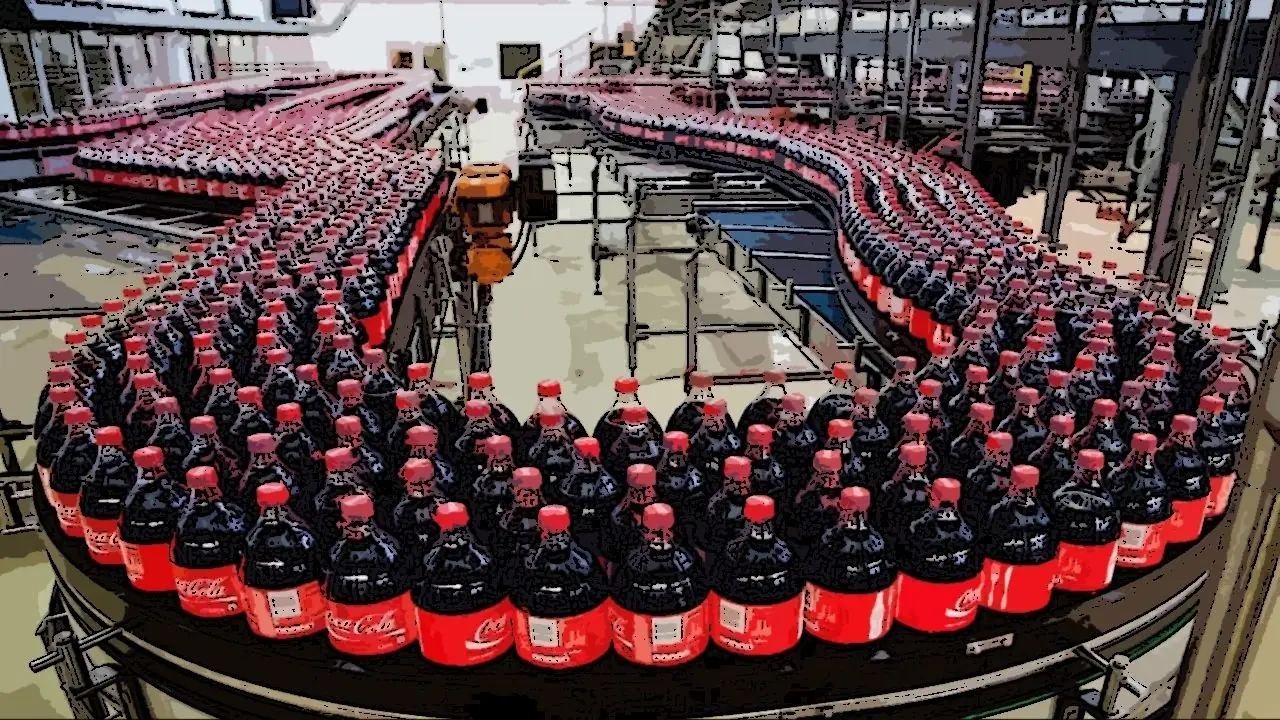
The 2025 shareholder resolution season has become a pivotal platform for raising concerns over single-use plastics, flexible packaging, reuse systems, and recyclability labeling
As ESG and corporate sustainability issues draw growing scrutiny from investors and civil society, the 2025 shareholder resolution season has become a pivotal platform for raising concerns over single-use plastics, flexible packaging, reuse systems, and recyclability labeling. Shareholder advocacy groups such as As You Sow, Green Century Funds, and The Last Beach Cleanup are using resolutions to pressure companies to make concrete commitments and disclosures around their packaging strategies.
重點摘要
Executive Summary / Lead當前 ESG 與企業永續議題日益受到投資人與公民社會關注之際,2025 年股東決議季(shareholder resolution season)已成為針對一次性塑膠、柔性包裝、重複使用系統與回收標示透明度等重要議題發聲的關鍵平台。來自股東倡議團體如 As You Sow、Green Century Funds、The Last Beach Cleanup 等機構,正透過股東提案機制逼迫企業針對其包裝策略作出更具體的承諾與揭露。這波決議浪潮不僅牽動飲料與消費性品牌,連旅宿、通路與包裝材料供應鏈都被一併納入問責範疇。
As ESG and corporate sustainability issues draw growing scrutiny from investors and civil society, the 2025 shareholder resolution season has become a pivotal platform for raising concerns over single-use plastics, flexible packaging, reuse systems, and recyclability labeling. Shareholder advocacy groups such as As You Sow, Green Century Funds, and The Last Beach Cleanup are using resolutions to pressure companies to make concrete commitments and disclosures around their packaging strategies. This wave of resolutions is reaching beyond beverage and consumer brands, extending accountability to the hospitality sector, retail chains, and packaging suppliers.
企業與產業背景
Company & Industry Context柔性包裝:從材料到系統的系統性挑戰
柔性包裝因其輕巧、便利與低運輸碳足跡,在食品、零食與日用品市場快速擴張,但其回收率與循環再利用困難卻也讓其成為企業包裝永續轉型中的「阿喀琉斯之踵」。As You Sow 指出,企業對2025 年循環經濟目標的達成仍嚴重落後,尤其在柔性包裝部分幾乎沒有可規模化的回收解方。
Flexible Packaging: A Systemic Challenge from Materials to Infrastructure
Flexible packaging has rapidly expanded in the food, snack, and personal care markets due to its lightweight nature, convenience, and lower transportation carbon footprint. However, its low recyclability and limited potential for reuse make it a critical Achilles’ heel in corporate sustainability transitions. As You Sow notes that many companies remain far behind on their 2025 circular economy goals - particularly when it comes to flexible packaging, which currently lacks scalable recycling solutions.
挑戰與重要性
Challenge / Why It Matters提案要求企業盤點柔性包裝的風險與替代選項,包括重複使用系統、單一材質替代與跨產業合作開發循環創新平台。例如,百事可樂與卡夫亨氏皆表達對此類提案的反對,但其回應也透露出現有回收體系、消費者行為與技術商轉仍有重大瓶頸。當中,卡夫亨氏承認許多國家的回收系統尚未準備好應對這些複合材質包裝,這反映出品牌的永續承諾是否真正考量其全球營運足跡與風險分佈。
同時,企業亦寄望化學回收技術成為柔性包裝的解方,惟此類技術在商業化程度、實際轉化率與溫室氣體效益等方面仍存在巨大爭議與資訊黑箱。As You Sow 批評,這些技術的產出可能更多是轉為燃料而非新塑料,並缺乏足夠披露資料來證明其真能實現循環目標。
Shareholder proposals are urging companies to assess the risks and alternatives associated with flexible packaging. These include reuse systems, mono-material substitutions, and cross-sector collaborations to develop circular innovation platforms. For instance, both PepsiCo and Kraft Heinz opposed such proposals but admitted, in their responses, that substantial technical and systemic barriers remain. Kraft Heinz acknowledged that many countries' recycling systems are unprepared to handle complex multi-material packaging - calling into question whether brand sustainability commitments truly reflect the global footprint and risk exposure of their operations.
Meanwhile, some companies are placing their hopes in chemical recycling technologies to solve the flexible packaging dilemma. Yet these technologies face intense scrutiny for their limited commercial readiness, low material recovery rates, and questionable greenhouse gas benefits. As You Sow argues that many of these processes simply convert plastic into fuel rather than new plastics - and that a lack of transparency makes it difficult to verify their contribution to circularity.
行動、方案與執行
Action / Solution / Implementation重複使用包裝:承諾與落實間的拉鋸
2024 年初,可口可樂決定撤回其 2030 年「25% 包裝可重複使用」的承諾,引發社會強烈反彈。儘管該公司與 Green Century Funds 達成協議,承諾將揭露其在重複使用系統的投資與成效,但這場轉彎仍暴露企業在多重利害關係人壓力下的策略搖擺。
可口可樂指出其玻璃瓶產品於 2024 年銷售成長超越整體成長率,試圖說明公司仍投入於重複使用模式。然而,外界仍擔憂其「以回收替代重複使用」的策略背後,是選擇較易計算但減碳成效較低的方式來應對 ESG 投資壓力。
星巴克方面則承諾在 2026 年前公布其推廣可重複杯政策的行動計畫與具體成果。這顯示即便在以服務業為主的業態中,重複使用系統也開始成為可被監管與投資人檢視的關鍵績效指標。
可回收性標示:從合規到信任重建
Green Century 與包裝公司 Sealed Air 的協議,聚焦在淘汰「商店回收」標示(store drop-off claims),因該標示常被視為誤導消費者。該公司也承諾將揭露其包裝材質的總量與材料組成,包括再生與非塑膠選項的採購占比,提供外界更全面的材料足跡參考。
Reusable Packaging: Caught Between Commitment and Implementation
In early 2024, Coca-Cola's decision to retract its pledge to make 25% of its packaging reusable by 2030 sparked public backlash. Although the company later reached an agreement with Green Century Funds to disclose its investments and progress in reuse systems, the reversal revealed how corporate strategies can shift under pressure from multiple stakeholders.
Coca-Cola pointed to growth in its glass bottle sales - outpacing overall growth in 2024 - as evidence of continued investment in reusable models. Still, critics remain concerned that the company is prioritizing recycling over reuse because it is easier to measure, even if it is less effective at reducing emissions.
Starbucks, for its part, has pledged to release a detailed action plan and performance outcomes by 2026 for scaling up its reusable cup program. This reflects a broader trend: even service-oriented businesses are being held accountable for their progress on reuse systems, now emerging as a key performance indicator under regulatory and investor scrutiny.
Recyclability Labeling: From Compliance to Trust Restoration
An agreement between Green Century and packaging company Sealed Air targeted the phasing out of "store drop-off" recyclability claims - labels that are often seen as misleading to consumers. The company also committed to disclosing the total volume and material composition of its packaging, including the share of recycled and non-plastic materials. This will provide external stakeholders with a clearer picture of the company’s material footprint.
證據、成果與影響
Evidence / Results / Impact同時,The Last Beach Cleanup 向卡夫亨氏與億滋國際(Mondelēz)提出罕見的「回收與再生標示真實性審查」提案。特別是針對質量平衡(mass balance)方式導入的化學回收塑料,是否能被公平標示為「recycled」,成為 ESG 與監管機構爭議焦點。
此類提案指出,僅憑企業自行聲稱包裝含有「再生材料」並不足夠,需提供第三方驗證、轉化比例、碳效益與完整供應鏈的證明機制,否則形同漂綠。
擴大產業範疇與回應樣態
今年股東提案已擴及旅宿(如凱悅與溫德姆)、通路(家得寶)與速食品牌(Wendy’s),顯示包裝永續已從消費品製造端延伸至整體消費生態系。旅宿業因應法規已逐步採用可重複使用的盥洗用品系統,而速食與通路業者也在回應產品與包裝設計的環境風險。
At the same time, The Last Beach Cleanup has filed rare resolutions with Kraft Heinz and Mondelēz International calling for audits of recyclability and recycled content claims. One key area of concern is the use of mass balance accounting to label chemically recycled plastics as "recycled." This practice has emerged as a contentious issue among ESG advocates and regulators.
These proposals argue that self-declared claims about recycled content are insufficient. Instead, companies must provide third-party verification, conversion efficiency data, carbon impact assessments, and traceability throughout the supply chain - otherwise, such claims amount to greenwashing.
Expanding the Scope of Accountability and Corporate Responses
This year's shareholder proposals have reached into the hospitality industry (e.g., Hyatt and Wyndham), retail (e.g., Home Depot), and fast-food brands (e.g., Wendy’s), signaling that packaging sustainability is no longer limited to product manufacturers - it now spans the entire consumer ecosystem. Hotel chains are responding to regulation by switching to refillable toiletry systems, while retailers and fast-food chains are beginning to address environmental risks in their product and packaging design.
產業與制度意涵
Industry & Institutional Implications企業回應的策略也趨向多元,包括試圖透過 SEC 擋下提案、與股東倡議團體達成撤案協議,或發表反對意見同時強調其在志願倡議中的參與。然而這些策略若缺乏實質成果披露,亦可能加深外界對其漂綠疑慮。
Corporate responses to these proposals are increasingly diverse. Some companies have attempted to block proposals through the SEC, while others have negotiated withdrawal agreements with advocates or issued opposition statements emphasizing their participation in voluntary initiatives. However, without concrete performance disclosures, such strategies may only deepen stakeholder skepticism about greenwashing.
SNN 編輯與揭露前證據基礎設施觀點
SNN Editorial / Pre-Disclosure Evidence Infrastructure Perspective結語:從監督到系統轉型的股東力量
本季提案所揭示的不僅是單一企業包裝策略的漏洞,而是整個塑膠經濟架構、回收基礎設施與監管體系間的落差與治理失靈。股東作為資本的掌握者,正在試圖用市場力量推動企業超越法規要求,邁向透明、負責且以科學為基礎的包裝策略。
Conclusion: From Oversight to Systemic Change Through Shareholder Action
This season’s resolutions highlight more than just flaws in individual packaging strategies - they expose gaps and failures in the broader plastic economy, recycling infrastructure, and regulatory systems. Shareholders, as capital stewards, are using market influence to push companies beyond regulatory compliance toward transparent, accountable, and science-based packaging strategies.
未來展望
Future Outlook在全球塑膠公約(Global Plastics Treaty)談判進度延宕、各國監管步調不一的情況下,這股來自資本市場與公民社會的壓力或許才是推動企業從線性經濟轉向循環經濟的最強驅動力。
With the Global Plastics Treaty negotiations delayed and national regulations fragmented, the pressure from capital markets and civil society may prove to be the most powerful force pushing companies to shift from a linear to a truly circular economy.
來源、證據鏈與責任編輯
主題中心:永續制度與揭露
SNN.TW 原始刊登紀錄 ↗