
全球新聞
博世綠色轉型全速前進
德國製造巨頭博世(Bosch)早在 2020 年就達成自身範疇一與範疇二(Scope 1 & 2)碳中和,成為全球科技與製造業中率先完成能源轉型的重要企業之一。博世於全球擁有超過 450 個據點,其減碳策略涵蓋能源效率提升、再生能源使用、物流優化及產品全生命週期管理等面向,並因此被《Sustainability Magazine》評為 2025 年全球最永續企業前 250 強中的第 54 名。
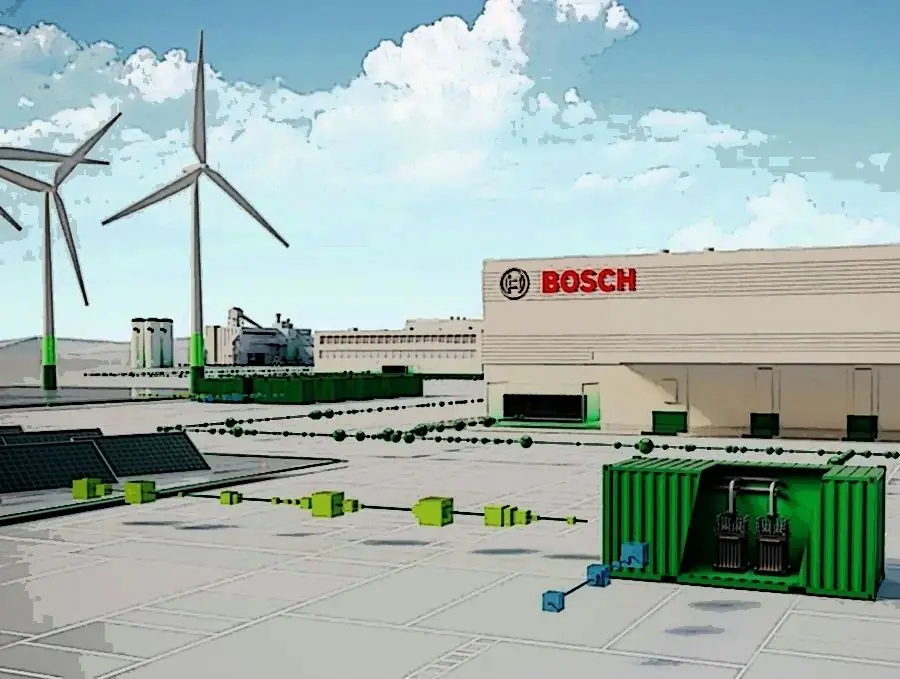
Bosch has emerged as a frontrunner in global industrial decarbonisation, having achieved carbon neutrality across its Scope 1 and 2 emissions as early as 2020
Bosch has emerged as a frontrunner in global industrial decarbonisation, having achieved carbon neutrality across its Scope 1 and 2 emissions as early as 2020. With more than 450 sites worldwide, the German manufacturing giant is implementing a broad sustainability strategy that spans energy efficiency, renewable power deployment, logistics optimisation, and full life-cycle product stewardship.
重點摘要
Executive Summary / Lead德國製造巨頭博世(Bosch)早在 2020 年就達成自身範疇一與範疇二(Scope 1 & 2)碳中和,成為全球科技與製造業中率先完成能源轉型的重要企業之一。博世於全球擁有超過 450 個據點,其減碳策略涵蓋能源效率提升、再生能源使用、物流優化及產品全生命週期管理等面向,並因此被《Sustainability Magazine》評為 2025 年全球最永續企業前 250 強中的第 54 名。
Bosch has emerged as a frontrunner in global industrial decarbonisation, having achieved carbon neutrality across its Scope 1 and 2 emissions as early as 2020. With more than 450 sites worldwide, the German manufacturing giant is implementing a broad sustainability strategy that spans energy efficiency, renewable power deployment, logistics optimisation, and full life-cycle product stewardship. These efforts earned Bosch the 54th position in Sustainability Magazine’s Top 250 World's Most Sustainable Companies 2025 ranking.
企業與產業背景
Company & Industry Context搶先達成碳中和,深化減碳承諾
Early Carbon Neutrality and Expanded Commitments
挑戰與重要性
Challenge / Why It Matters博世在 2020 年即宣布範疇一與範疇二碳中和,主要透過四大措施達成:提高能源效率、導入自家再生能源、全面採購綠電,以及以碳權抵銷無法避免的剩餘排放。雖然這一里程碑在產業中具領先性,但博世也同步設定更進一步的目標——以 2018 年為基準,到 2030 年將供應鏈及產品使用階段的範疇三排放削減 30%。
Bosch achieved Scope 1 and 2 carbon neutrality in 2020 through four key measures: enhanced energy efficiency, on-site renewable energy generation, the procurement of green electricity, and the strategic use of carbon credits for unavoidable residual emissions. Beyond this milestone, the company has committed to reducing upstream and downstream Scope 3 emissions by 30% by 2030, using 2018 as its baseline year.
Most of Bosch’s upstream emissions come from purchased goods and logistics, while downstream emissions predominantly stem from product use - a significant challenge for sectors such as home appliances, mobility components, and industrial automation, where use-phase energy consumption often outweighs manufacturing emissions.
行動、方案與執行
Action / Solution / Implementation博世的範疇三排放上游涵蓋採購材料、供應商物流,下游則多集中在產品使用階段。在高電力消耗的家電、自動化設備與交通零組件領域,使用階段碳排往往遠高於製造本身,使得企業必須在設計、生產、運輸等前端環節同步壓低排放。
能源效率與綠電佈局:減碳核心策略
博世的能源管理策略以節能為核心,預計在 2030 年前透過設備升級與流程最佳化,累積 1.7 兆瓦時的節電效益,並投入 10 億歐元推動相關行動。自 2019 年起,博世已在全球展開 7,000 多項節能專案,達成 1,144 GWh 的節能潛力,已完成目標的 67%。
Energy Efficiency and Green Power as Core Drivers
Energy optimisation remains central to Bosch’s climate strategy. The company aims to achieve 1.7 TWh in energy savings by 2030 and has pledged €1 billion to efficiency-related initiatives. Since 2019, more than 7,000 efficiency projects have been executed globally, generating savings potential of 1,144 GWh - already 67% of the total target.
Bosch is also rapidly scaling clean energy adoption. By the end of 2024, solar installations were active across 139 sites, and the company plans to source 100% green electricity worldwide by 2030. In 2024, Bosch had already reached a 99.5% share of renewable electricity, driven by increased procurement from renewable power plants and on-site generation.
證據、成果與影響
Evidence / Results / Impact除節能外,博世也強化再生能源使用,截至 2024 年底已有 139 個據點安裝太陽能設備。公司並承諾 2030 年全面採用綠電,2024 年已達成 99.5% 綠電占比,主要因擴大自家發電與與再生能源電廠合作採購。
循環經濟布局:從材料選用到產品生命週期
Advancing Circular Economy Across Products and Materials
產業與制度意涵
Industry & Institutional Implications博世深化循環經濟策略,從採購、製造到回收的全流程減少資源耗用。其策略包括提高材料使用效率、延長產品壽命、加強零件再利用及建立完善回收鏈。
Bosch’s circular economy strategy spans the full product life cycle - from material sourcing to manufacturing, use, and end-of-life recovery. The company seeks to improve material efficiency, extend product lifespans, and increase the use of recycled inputs to reduce both operational costs and Scope 3 emissions.
SNN 編輯與揭露前證據基礎設施觀點
SNN Editorial / Pre-Disclosure Evidence Infrastructure Perspective以雨刷生產為例,博世讓車廠或維修廠可「單獨訂購接頭組件」,減少材料浪費並讓包材減半,也提升運輸裝載密度。此外,博世積極推動鋼、鋁、塑膠等材料回收,目前其產品平均使用 56% 回收鋼材及 35% 回收鋁材,符合歐洲產業永續趨勢,亦能減少上游排放風險。
A practical example is Bosch’s wiper blade production model, where workshops can now order adapters separately. This change reduces materials used, cuts packaging waste by 50%, and improves transport packing density. Bosch is also advancing recycling processes for steel, aluminium and plastics. On average, Bosch products incorporate 56% recycled steel and 35% recycled aluminium, aligning with European industry sustainability standards.
未來展望
Future Outlook博世永續事務主管 Arne Michel Mittasch 表示,循環經濟能同時兼顧氣候行動、資源保護與供應鏈韌性,為製造業在碳中和時代提供新的競爭優勢。
Arne Michel Mittasch, Head of Sustainable Business and Relations Management at Bosch, emphasised that robust circularity enables simultaneous climate action, resource conservation, and greater supply chain resilience - a competitive advantage in the era of net-zero manufacturing.
來源、證據鏈與責任編輯
主題中心:氣候與能源轉型
SNN.TW 原始刊登紀錄 ↗