
全球脈動
建材也革命!歐盟啟動永續城市大改造
建築業目前約占全球碳排放的37%,其中傳統建材如水泥、鋼鐵與磚材所造成的碳足跡佔比超過七成,尤以水泥生產最為嚴重。為因應此挑戰,研究人員正積極研發一系列創新建材與建築技術,從能產生太陽能的牆面,到可自行修復的細菌混凝土,這些原本看似科幻的智慧材料正逐步進入現實應用階段。
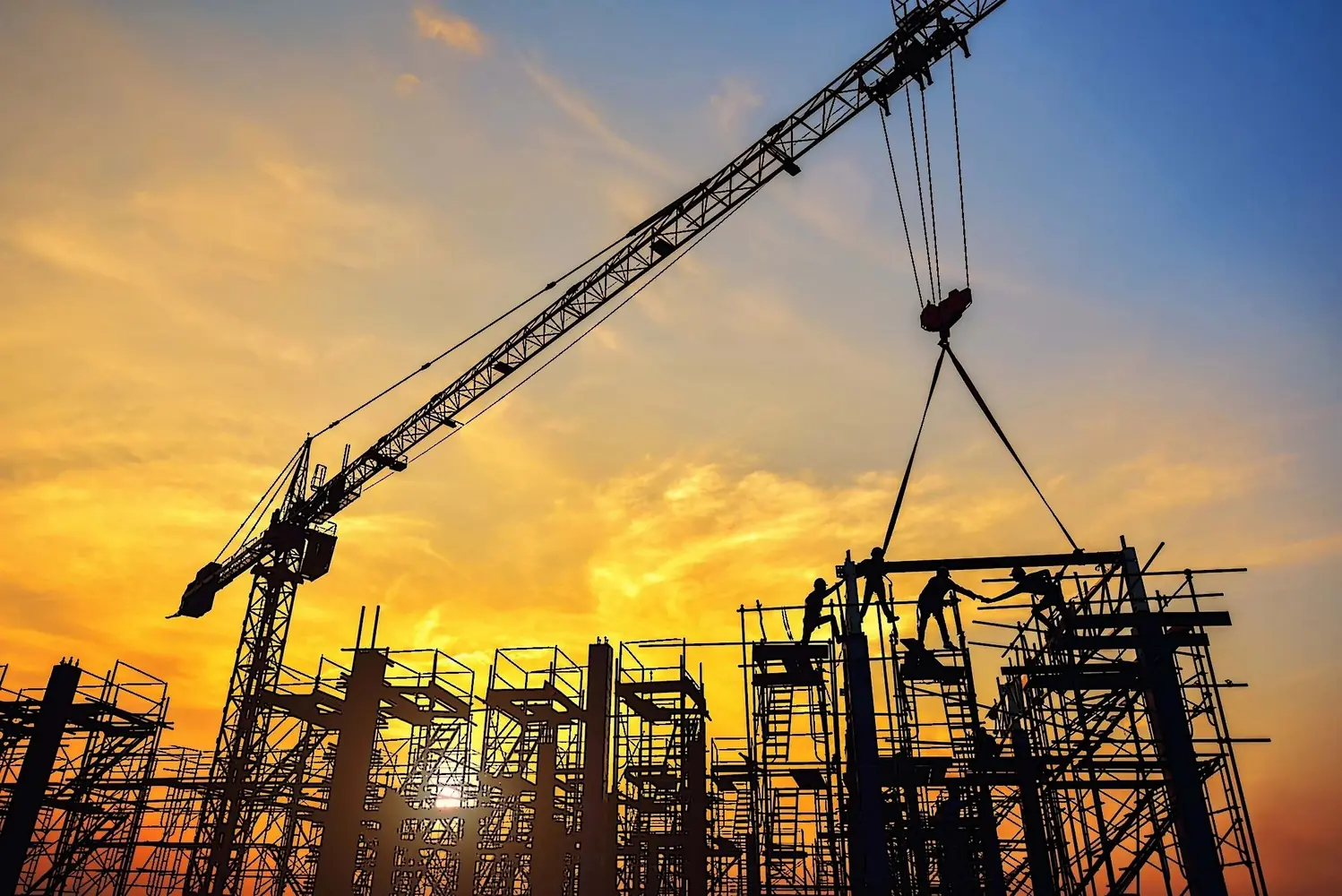
Buildings Account for 37% of Global Carbon Emissions, Innovative Materials Could Be the Game Changer
Buildings Account for 37% of Global Carbon Emissions, Innovative Materials Could Be the Game Changer
重點摘要
Executive Summary / Lead建築業目前約占全球碳排放的37%,其中傳統建材如水泥、鋼鐵與磚材所造成的碳足跡佔比超過七成,尤以水泥生產最為嚴重。為因應此挑戰,研究人員正積極研發一系列創新建材與建築技術,從能產生太陽能的牆面,到可自行修復的細菌混凝土,這些原本看似科幻的智慧材料正逐步進入現實應用階段。
Buildings Account for 37% of Global Carbon Emissions - Innovative Materials Could Be the Game Changer
The construction sector currently accounts for approximately 37% of global carbon emissions, with traditional materials such as cement, steel, and bricks contributing over 70% of that footprint - cement production being the most carbon-intensive. In response, researchers are actively developing a range of innovative construction materials and technologies, from solar-generating wall panels to self-healing bacterial concrete. Once considered science fiction, these smart materials are now entering real-world applications.
企業與產業背景
Company & Industry Context歐盟多項政策計畫亦正加速這些尖端技術的實際部署,期望將其轉化為可負擔、可複製且永續的解決方案。民間企業也積極參與,如Dyson Holdings與Monodraught等公司過去20年來已申請超過40項關於建材熱效能、耐用性與環境影響的先進材料專利。
The European Union’s policy initiatives are accelerating the deployment of these cutting-edge technologies, aiming to turn them into affordable, scalable, and sustainable solutions. Private companies are also playing a key role: firms such as Dyson Holdings and Monodraught have filed more than 40 advanced material patents over the past two decades, focusing on thermal efficiency, durability, and environmental performance.
挑戰與重要性
Challenge / Why It Matters原型到工地:創新材料的驗證之路
任何創新材料從實驗室走向實際建築工地,必須經過一連串嚴格的測試與法規核可流程。開發通常始於對一項技術或環境問題的辨識,例如提升隔熱效果或降低能源消耗,接著製作功能性原型,並在受控條件下測試其壓縮強度、吸水率、防火性、熱傳導率與隔音效果等物理與化學性質。
From Prototype to Construction Site: The Path to Market for Innovative Materials
Any innovative material must undergo a rigorous series of tests and regulatory approvals before it can be used in real-world construction. The development process typically starts by identifying a specific technical or environmental challenge - such as enhancing insulation or reducing energy consumption. This is followed by the creation of a functional prototype, which is then tested under controlled conditions to assess its compressive strength, water absorption, fire resistance, thermal conductivity, and acoustic insulation, among other properties.
行動、方案與執行
Action / Solution / Implementation若原型表現良好,便會進入試量產階段,以驗證產品的穩定性、一致性與量產可行性,同時撰寫完整技術文件。
在歐盟境內,創新建材必須遵循《建築產品規章》(EU No. 305/2011),其中包括取得CE合格標誌、提交性能聲明(DoP),並符合由歐洲標準化委員會(CEN)制定的歐盟統一標準(EN),確保其符合結構安全、熱能效率、防潮性與防火性能等基本要求。
此外,研發者必須進行「產品生命週期評估」(LCA),評估材料從原料採集、生產、使用到最終回收或處理的全過程環境影響。這不僅有助於對齊歐洲政策要求,也攸關能否取得BREEAM與LEED等綠建築認證。
完成技術核准後,還須發展包括生產規劃、包裝設計、物流配送與行銷策略等商業部署方案,並透過「建築資訊建模」(BIM)系統模擬材料在實際建築中的表現,協助建築師與設計師直接整合於設計流程中。
If the prototype performs well, it proceeds to a pilot production phase to verify product stability, consistency, and manufacturability, while comprehensive technical documentation is prepared.
Within the EU, innovative materials must comply with the Construction Products Regulation (EU No. 305/2011). This includes obtaining the CE marking, submitting a Declaration of Performance (DoP), and meeting European Norms (EN) developed by the European Committee for Standardization (CEN). These norms cover fundamental requirements such as structural safety, thermal performance, moisture resistance, and fire protection.
Developers must also conduct a Life Cycle Assessment (LCA) to evaluate the material’s environmental impact across its entire life cycle - from raw material extraction and production to use and end-of-life disposal. This not only ensures alignment with EU policy but is also crucial for achieving green building certifications such as BREEAM and LEED.
證據、成果與影響
Evidence / Results / Impact創新不易,更需制度支持
這整套流程意味著建材創新極具門檻與成本風險。許多創新構想難以走出實驗室,常因面對昂貴的測試、冗長的法規程序與技術文件準備,而止步於原型階段。此外,許多研發團隊欠缺產業連結、法規知識或商業資源,也使得潛力材料無法商品化。
為解決此問題,歐盟陸續推出多項支持方案,包括:
Exploit4InnoMat:永續建材的一站式創新平台
Once technically approved, a commercial deployment plan must be developed, encompassing production planning, packaging design, logistics, and marketing. Materials are also simulated within Building Information Modeling (BIM) systems to help architects and designers integrate them directly into their design workflows.
Innovation Is Difficult - Institutional Support Is Essential
This entire process highlights the high barriers and financial risks involved in construction material innovation. Many promising ideas stall at the prototype stage due to expensive testing, lengthy regulatory procedures, and complex technical documentation. Additionally, many R&D teams lack industry connections, regulatory expertise, or commercialization resources, preventing their innovations from reaching the market.
To address these challenges, the European Union has launched several support programs, including:
產業與制度意涵
Industry & Institutional Implications歐盟旗下的Exploit4InnoMat平台,提供中小企業、創業者與研究中心一站式資源整合,協助創新材料從研發走向市場。其提供的服務涵蓋:
透過該平台的支持,已成功推進數種具代表性的創新建材進入市場,包括:
Exploit4InnoMat: A One-Stop Innovation Platform for Sustainable Building Materials
The EU-backed Exploit4InnoMat platform provides integrated support to SMEs, startups, and research centers, helping them bring innovative materials from lab to market. Its services include:
Thanks to this platform, several representative sustainable materials have successfully reached the market, such as:
Sustainable Cities Begin with Sustainable Materials
SNN 編輯與揭露前證據基礎設施觀點
SNN Editorial / Pre-Disclosure Evidence Infrastructure Perspective永續城市從建材開始
Platforms like Exploit4InnoMat integrate the entire value chain from laboratory to construction site, helping innovative materials overcome hurdles in certification, regulation, and commercialization, and enabling real-world deployment. These efforts not only enhance construction efficiency and environmental performance but also lay a vital foundation for sustainable urban development.
未來展望
Future OutlookExploit4InnoMat等平台整合了從實驗室到工地的完整鏈條,協助創新材料克服驗證、法規、商業化等障礙,加速進入實際建設場域。這不僅促進建築效率與環境友善,更為未來城市永續建設奠定關鍵基礎。隨著智慧建材與政策支持並進,城市的淨零轉型之路正變得更具可行性與韌性。
As smart materials and policy frameworks advance in tandem, the path to net-zero cities is becoming more achievable and resilient.
來源、證據鏈與責任編輯
主題中心:氣候與能源轉型
SNN.TW 原始刊登紀錄 ↗