全球脈動
時尚產業永續挑戰:供應鏈透明化與淘汰石化材料成關鍵轉型目標
環保組織 Stand.earth 於上週發布了一份深入報告,揭露全球時尚產業供應鏈與美國德州水力壓裂工業(fracking)的密切聯繫,進一步引發對環境永續和企業責任的關注。報告點名多個國際知名品牌,並指出時尚產業高度依賴石化產業所生產的合成纖維,這些材料不僅與氣候變遷息息相關,還帶來健康風險及廢棄物污染等問題。
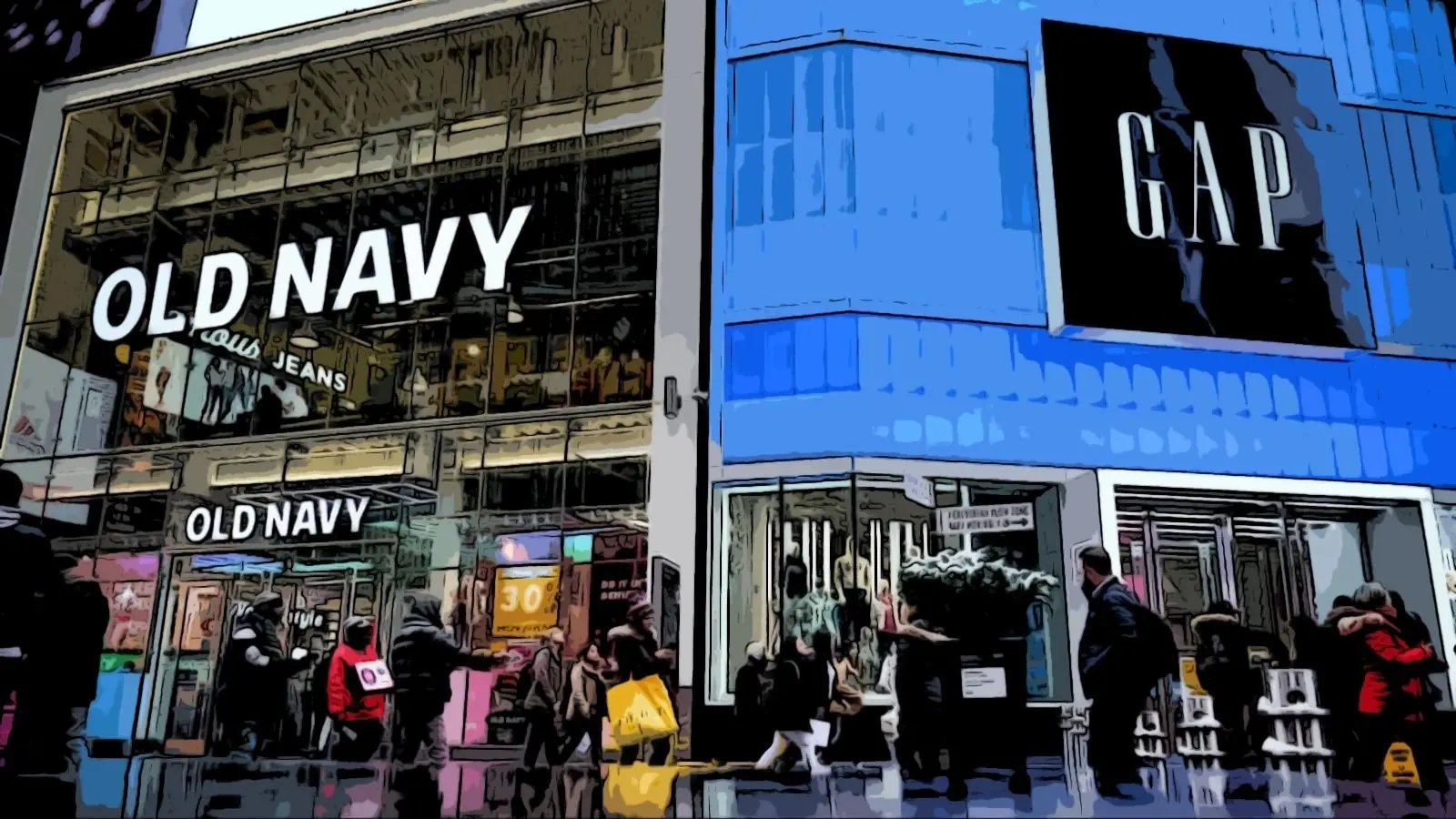
Sustainability challenges in the fashion industry: Supply chain transparency and elimination of petrochemical materials have become key transformation goals
The environmental organization Stand.earth released an in-depth report last week, revealing the close connection between the global fashion industry supply chain and the Texas hydraulic fracturing industry (fracking) in the United States, further raising concerns about environmental sustainability and corporate responsibility. The report named a number of internationally renowned brands and pointed out that the fashion industry is highly dependent on synthetic fibers produced by the petrochemical industry. These materials are not only closely related to climate change, but also bring health risks and waste pollution.
重點摘要
Executive Summary / Lead環保組織 Stand.earth 於上週發布了一份深入報告,揭露全球時尚產業供應鏈與美國德州水力壓裂工業(fracking)的密切聯繫,進一步引發對環境永續和企業責任的關注。報告點名多個國際知名品牌,並指出時尚產業高度依賴石化產業所生產的合成纖維,這些材料不僅與氣候變遷息息相關,還帶來健康風險及廢棄物污染等問題。
其中,Zara母公司 Inditex 被列為全球最大的合成纖維採購者之一,旗下品牌包括 Massimo Dutti 和 Bershka 等。而運動服飾品牌 Lululemon 的供應鏈中,超過 72% 的服飾及鞋類產品均使用由化石燃料製成的合成纖維。
The environmental organization Stand.earth released an in-depth report last week, revealing the close connection between the global fashion industry supply chain and the Texas hydraulic fracturing industry (fracking) in the United States, further raising concerns about environmental sustainability and corporate responsibility. The report named a number of internationally renowned brands and pointed out that the fashion industry is highly dependent on synthetic fibers produced by the petrochemical industry. These materials are not only closely related to climate change, but also bring health risks and waste pollution.
企業與產業背景
Company & Industry Context水力壓裂背後的環境與社會成本
根據報告,聚酯、尼龍與壓克力等合成纖維是石化產業的主要衍生物,而全球時尚產業對這些材料的依賴程度正逐年攀升。根據 Changing Markets Foundation 的數據,到 2030年 ,合成纖維預計將佔全球服飾生產的 73% ,遠超其他天然材料。
Among them, Zara parent company Inditex is listed as one of the world's largest purchasers of synthetic fibers, and its brands include Massimo Dutti and Bershka. In the supply chain of sportswear brand Lululemon, more than 72% of its apparel and footwear products use synthetic fibers made from fossil fuels.
The environmental and social costs behind hydraulic fracturing
According to the report, synthetic fibers such as polyester, nylon and acrylic are the main derivatives of the petrochemical industry, and the global fashion industry's dependence on these materials is increasing year by year. According to the Changing Markets Foundation, synthetic fibers are expected to account for 73% of global apparel production by 2030, far exceeding other natural materials.
However, the production process of these materials has serious impacts on the environment, including large amounts of carbon emissions, water pollution and resource waste. Stand.earth pointed out in the report: "As fashion brands accelerate their reliance on petrochemical-based synthetic fibers, the environmental and social costs of hydraulic fracturing have become more and more obvious. This has become an important issue that cannot be ignored in global sustainable development."
挑戰與重要性
Challenge / Why It Matters然而,這些材料的生產過程卻對環境造成嚴重影響,包括大量碳排放、水污染與資源浪費。Stand.earth 在報告中指出:「隨著時尚品牌加速依賴石化基合成纖維,水力壓裂帶來的環境與社會成本愈加明顯,這已成為全球永續發展中不容忽視的重要議題。」
二疊紀盆地:全球碳排放的關鍵熱點
該報告特別聚焦於美國 二疊紀盆地(Permian Basin) ,此區域是全球最大的油氣開採地之一,擁有高達 27.8 吉噸 的碳排放潛力。Stand.earth 在報告中揭露,水力壓裂所產生的乙烷與其他碳氫化合物被廣泛用於石化產業,成為聚酯纖維和一次性塑膠的主要原料。
The Permian Basin: A key hotspot for global carbon emissions
The report focuses specifically on the Permian Basin in the United States, which is one of the world's largest oil and gas production areas and has a carbon emission potential of up to 27.8 gigatonnes. Stand.earth revealed in a report that ethane and other hydrocarbons produced by hydraulic fracturing are widely used in the petrochemical industry and have become the main raw materials for polyester fibers and disposable plastics.
The report noted that six major oil companies, including Chevron, Oxy, Diamondback Energy, Pioneer, EOG Resources and Devon Energy, have nearly twice as much production capacity in the Permian Basin as elsewhere. The ethane and natural gas liquids produced by these companies enter the global petrochemical supply chain after conversion, and eventually flow to the fashion industry, becoming key raw materials for the large-scale manufacturing of polyester fibers.
行動、方案與執行
Action / Solution / Implementation報告指出,六大石油公司,包括 雪佛龍(Chevron)、Oxy、Diamondback Energy、Pioneer、EOG Resources 和 Devon Energy ,在二疊紀盆地的產能幾乎是其他地區的兩倍。這些企業所生產的乙烷及天然氣液,經過轉化後進入全球石化供應鏈,最終流向時尚產業,成為大規模製造聚酯纖維的關鍵原料。
數據揭示:時尚產業是全球污染大戶
根據 2021年世界經濟論壇 報告,全球時尚產業及其供應鏈每年產生的溫室氣體排放量佔全球總排放的近 10% ,超越國際航班與海運排放的總和,使該產業成為全球 第三大污染源 。
Stand.earth 透過企業的 10-K財報 、供應商公開文件、海關進出口數據以及投資者簡報,建構了名為 Fracked Fashion Map 的互動工具。該工具揭示時尚品牌與水力壓裂供應鏈的具體聯繫,提供消費者及企業透明化的數據參考,並強調供應鏈監督的重要性。
企業承諾與實際行動之間的差距
儘管許多國際時尚品牌已公開承諾減少碳足跡、推動永續發展,然而報告顯示,這些企業在實際行動上存在巨大落差。Stand.earth 調查員 德維亞尼·辛格(Devyani Singh) 表示:「這項調查不僅揭露了供應鏈背後的隱情,也凸顯時尚產業對石化產業的高度依賴,這正在助長水力壓裂產業的擴張。」報告進一步指出,部分品牌所強調的永續策略,往往僅著眼於產品回收與減少廢棄物,而忽視了供應鏈的透明化與原材料的生產過程。
Data reveals: The fashion industry is a major polluter in the world
According to the 2021 World Economic Forum report, the annual greenhouse gas emissions generated by the global fashion industry and its supply chain account for nearly 10% of total global emissions, exceeding the combined emissions of international flights and shipping, making the industry the third largest source of pollution in the world.
Stand.earth built an interactive tool called Fracked Fashion Map through the company's 10-K financial reports, supplier public documents, customs import and export data, and investor presentations. The tool reveals specific links between fashion brands and the fracking supply chain, provides consumers and businesses with transparent data, and highlights the importance of supply chain oversight.
The gap between corporate promises and actual actions
Although many international fashion brands have publicly pledged to reduce their carbon footprint and promote sustainable development, reports show that there is a huge gap in the actual actions of these companies. Devyani Singh, an investigator at Stand.earth, said: "This investigation not only reveals the hidden truth behind the supply chain, but also highlights the fashion industry's high dependence on the petrochemical industry, which is fueling the expansion of the hydraulic fracturing industry." The report further pointed out that the sustainability strategies emphasized by some brands often only focus on product recycling and waste reduction, while ignoring the transparency of the supply chain and the production process of raw materials.
Future Outlook: It is imperative to promote a sustainable supply chain
After the release of the report, the global discussion on the supply chain and environmental responsibility of the fashion industry is bound to heat up. Stand.earth calls on fashion brands to accelerate the transformation of their supply chains, gradually phase out petrochemical-based synthetic fibers, and switch to renewable, low-carbon, sustainable materials. In addition, governments and regulatory agencies should strengthen policy formulation, strengthen corporate responsibility, and promote supply chain transparency and regulatory compliance.
證據、成果與影響
Evidence / Results / Impact未來展望:推動永續供應鏈勢在必行
報告發布後,全球對時尚產業供應鏈與環境責任的討論勢必升溫。Stand.earth 呼籲時尚品牌應加速供應鏈轉型,逐步淘汰石化基合成纖維,改採可再生、低碳排的永續材料。此外,政府及監管機構應加強政策制定,強化企業責任,推動供應鏈透明化與法規遵循。
共同努力:邁向真正的永續未來
Working together: towards a truly sustainable future
產業與制度意涵
Industry & Institutional Implications在氣候危機日益加劇的背景下,時尚產業必須承擔起其在全球污染中所扮演的角色,並推動供應鏈的結構性變革。從採用低碳排放的材料到改善供應鏈管理,企業、政府與消費者之間的協同合作至關重要。
Against the backdrop of the growing climate crisis, the fashion industry must assume its role in global pollution and drive structural changes in supply chains. From using low-carbon-emitting materials to improving supply chain management, collaboration between businesses, governments and consumers is crucial.
SNN 編輯與揭露前證據基礎設施觀點
SNN Editorial / Pre-Disclosure Evidence Infrastructure Perspective「這份報告是對時尚產業的警示,也是一個行動的契機,」Stand.earth 在聲明中指出。「唯有具體落實永續發展承諾,減少對石化產業的依賴,才能真正為下一代打造一個更健康、更永續的未來。」該報告與互動工具的發布,標誌著全球時尚產業正站在變革的關鍵十字路口,推動更永續、透明的供應鏈管理已成為刻不容緩的挑戰與責任。
"This report is a warning to the fashion industry and an opportunity for action," Stand.earth said in a statement. "Only by concretely implementing the commitment to sustainable development and reducing dependence on the petrochemical industry can we truly create a healthier and more sustainable future for the next generation." The release of the report and interactive tool marks that the global fashion industry is standing at a critical crossroads of change. Promoting more sustainable and transparent supply chain management has become an urgent challenge and responsibility.
未來展望
Future Outlook思享永續顧問服務有限公司的張滙苡顧問認為,全球時尚產業正站在變革的關鍵十字路口,推動更永續、透明的供應鏈管理已成為刻不容緩的挑戰與責任。 台灣製造業在全球供應鏈中扮演關鍵角色,面對氣候危機與國際永續發展趨勢,必須積極推動從傳統高污染、高碳排的製造模式向低碳、循環經濟的結構性轉型。供應鏈透明化、材料創新及政策支持是關鍵策略,透過數位化管理工具實現上下游環境責任的可追溯性,並積極開發可再生及低環境衝擊的新材料,減少對石化材料的依賴。政府應加強法規制定,提供企業轉型的激勵,並促進跨產業合作,助力中小企業融入國際永續供應鏈。 台灣製造業不僅應將永續視為企業競爭力的核心,更應定位為全球綠色供應鏈的推動者,以技術創新和卓越的供應鏈管理能力引領國際永續標準的制定與落實。這不僅能提升台灣品牌的國際影響力,也能為全球氣候挑戰提供可行的解決方案,為下一代創造一個更健康、更永續的未來。
Consultant Zhang Huiyi of Scienjoy Sustainability Consulting Services Co., Ltd. believes that the global fashion industry is standing at a critical crossroads of change, and promoting more sustainable and transparent supply chain management has become an urgent challenge and responsibility. Taiwan's manufacturing industry plays a key role in the global supply chain. In the face of the climate crisis and international sustainable development trends, it must actively promote the structural transformation from the traditional high-pollution, high-carbon-emission manufacturing model to a low-carbon, circular economy. Supply chain transparency, material innovation and policy support are key strategies. We use digital management tools to achieve traceability of upstream and downstream environmental responsibilities, and actively develop new materials that are renewable and have low environmental impact to reduce reliance on petrochemical materials. The government should strengthen the formulation of regulations, provide incentives for enterprise transformation, and promote cross-industry cooperation to help small and medium-sized enterprises integrate into international sustainable supply chains. Taiwan's manufacturing industry should not only regard sustainability as the core of corporate competitiveness, but also position itself as a promoter of the global green supply chain, leading the formulation and implementation of international sustainability standards with technological innovation and excellent supply chain management capabilities. This will not only enhance the international influence of Taiwanese brands, but also provide feasible solutions to global climate challenges and create a healthier and more sustainable future for the next generation.
來源、證據鏈與責任編輯
主題中心:永續制度與揭露
SNN.TW 原始刊登紀錄 ↗