
全球脈動
木材風險升溫
世界經濟論壇(WEF)期間發布的一份最新研究簡報指出,全球高度依賴木材的供應鏈正承受日益加劇的商業與生態風險。在需求快速攀升、氣候衝擊加劇及監管壓力同步升溫的背景下,森林資源正被推向生態承載極限,企業與投資人未來十年將面臨更高的成本、供應不穩定性及合規與聲譽風險。
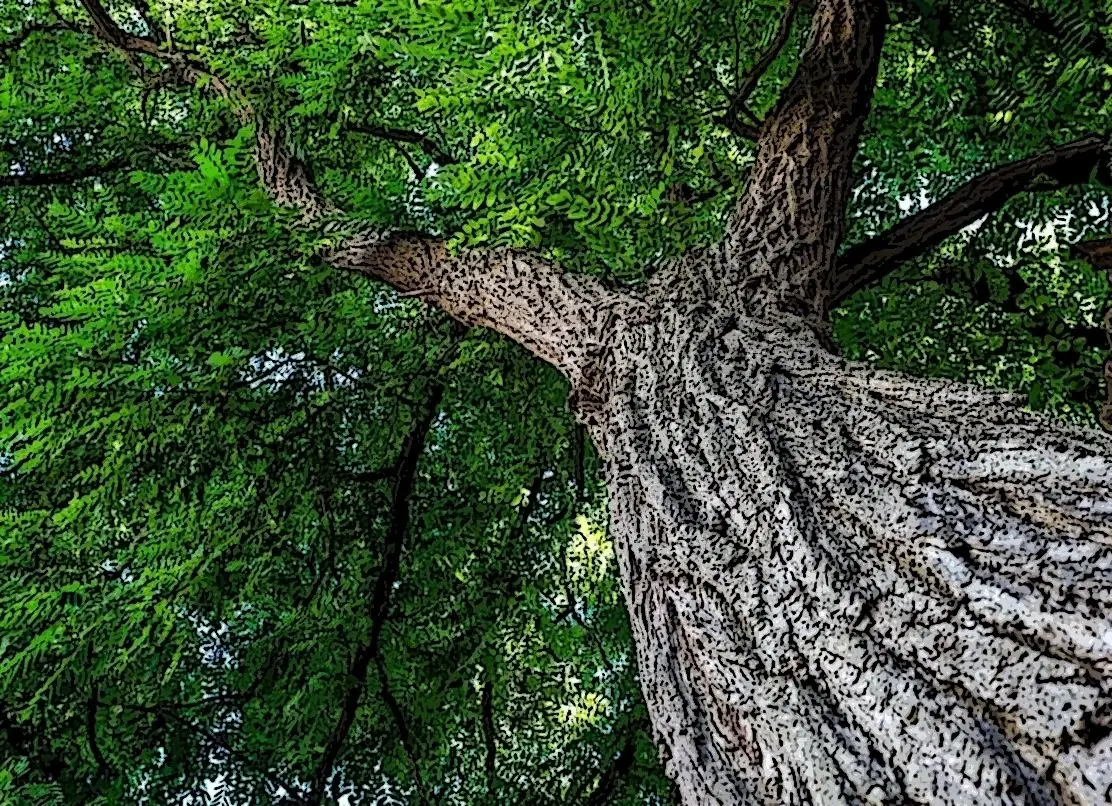
Global wood-dependent supply chains are facing mounting commercial and ecological risks as rising demand
A new research brief released during the World Economic Forum warns that global wood-dependent supply chains are facing mounting commercial and ecological risks as rising demand, intensifying climate impacts, and tightening regulation push forest systems toward their ecological limits. The analysis argues that continued reliance on business-as-usual sourcing of virgin wood exposes companies and investors to higher costs, supply volatility, and growing compliance and reputational risks over the coming decade.
重點摘要
Executive Summary / Lead世界經濟論壇(WEF)期間發布的一份最新研究簡報指出,全球高度依賴木材的供應鏈正承受日益加劇的商業與生態風險。在需求快速攀升、氣候衝擊加劇及監管壓力同步升溫的背景下,森林資源正被推向生態承載極限,企業與投資人未來十年將面臨更高的成本、供應不穩定性及合規與聲譽風險。
A new research brief released during the World Economic Forum warns that global wood-dependent supply chains are facing mounting commercial and ecological risks as rising demand, intensifying climate impacts, and tightening regulation push forest systems toward their ecological limits. The analysis argues that continued reliance on business-as-usual sourcing of virgin wood exposes companies and investors to higher costs, supply volatility, and growing compliance and reputational risks over the coming decade.
企業與產業背景
Company & Industry Context該研究由環保非營利組織 Canopy 與金融智庫 Finance Earth 共同發布。Canopy 目前與超過 1,000 家消費品牌合作,涵蓋年營收合計逾 1.2 兆美元,致力於降低毀林風險,並推動在紡織與包裝等高度用木產業中採用循環與低衝擊替代材料。
The brief was produced by environmental non-profit Canopy in collaboration with Finance Earth. Canopy currently works with more than 1,000 consumer brands representing over $1.2 trillion in combined annual revenue to reduce deforestation and accelerate the adoption of circular and low-impact alternatives in wood-intensive sectors such as textiles and packaging.
挑戰與重要性
Challenge / Why It Matters木纖維市場結構性趨緊
名為《Paper Thin Comfort》的 2026 年議題簡報指出,能源、建築、包裝及人造纖維(如嫘縈與黏膠纖維)對木纖維的需求同步上升,正與氣候變遷引發的供給衝擊及日益嚴格的法規限制交會,導致可認證、可追溯的原生木材市場長期趨緊。
報告進一步指出,生質能源需求上升、工程木材使用擴大,以及野火與極端氣候事件導致的森林損失,正持續削弱商業林業系統的穩定性。
Structurally Tighter Wood Fibre Markets
The 2026 issue brief, Paper Thin Comfort, finds that escalating demand for wood fibre across energy, construction, packaging, and man-made cellulosic fibre production is converging with climate-driven supply shocks and increasingly stringent regulatory constraints. Together, these forces are expected to result in structurally tighter markets for certified and traceable virgin wood, with material implications for cost, compliance, and growth across paper, packaging, and fashion value chains.
The analysis highlights rising bioenergy demand, increased use of engineered timber, and growing losses from wildfires and climate-related disturbances as key factors intensifying pressure on commercial forestry systems.
行動、方案與執行
Action / Solution / Implementation研究警告,對紙類包裝與木質纖維紡織品高度依賴的企業,將最直接感受到原料成本上升與採購波動的衝擊。目前原生木漿約占全球木材使用量的五分之一,電子商務包裝需求與黏膠纖維供應鏈被點名為高風險領域。
Canopy 創辦人暨執行長 Nicole Rycroft 表示,森林是實現氣候與自然目標的關鍵盟友,但現行採購模式正將其推向崩潰邊緣。她指出,若企業與投資人持續依賴傳統木材來源,將不可避免地承擔更高的成本、供應脆弱性及法遵與聲譽風險,而實際上市場已存在 Next Gen 纖維等可行替代方案。
監管升級與投資人審視同步加劇
報告亦指出,歐盟、加拿大、英國等司法管轄區正加速推動供應鏈盡職調查要求,以杜絕毀林、森林退化及強迫或童工問題。預計於 2026 年底生效的《歐盟反毀林法規》(EUDR),將大幅提高未符合法規商品的市場進入門檻,並加劇對合規、可追溯木材資源的競爭。
According to the authors, companies most exposed to paper-based packaging and wood-derived textiles are likely to face the sharpest impacts from rising input costs and sourcing volatility. Virgin wood pulp already accounts for roughly one-fifth of global wood use, with e-commerce-driven packaging demand and viscose-based textile supply chains identified as particularly vulnerable.
Canopy Founder and Executive Director Nicole Rycroft said forests are among the world’s most important climate allies, yet current sourcing models are pushing them to breaking point. She warned that companies and investors who remain locked into conventional wood sourcing strategies are signing up for higher costs, greater supply fragility, and escalating regulatory and reputational risk, despite the availability of Next Gen and alternative fibre pathways.
Regulatory Pressure and Investor Scrutiny Intensify
The brief points to expanding due diligence requirements in the European Union, Canada, the United Kingdom, and other jurisdictions aimed at eliminating deforestation, forest degradation, and forced or child labour from supply chains. The European Union Deforestation Regulation (EUDR), expected to enter into force in late 2026, is set to reshape sourcing expectations by restricting market access for non-compliant products and intensifying competition for verified, traceable wood inputs.
證據、成果與影響
Evidence / Results / Impact同時,投資人正提高對「零毀林」投資組合的要求,並重新評估被視為環境與供應鏈高風險企業的資本配置。報告指出,森林相關風險正逐步與氣候揭露制度及資金成本評估掛鉤,對企業估值與融資條件產生實質影響。
企業因應策略與長期韌性
At the same time, investors are increasing expectations around deforestation-free portfolios and reassessing capital allocation toward companies perceived as environmentally or supply-chain exposed. The report highlights growing alignment between forest-related risks, climate disclosure regimes, and cost-of-capital considerations.
Strategic Responses for Brands
產業與制度意涵
Industry & Institutional Implications為降低暴露風險,報告提出三大策略方向:第一,透過農業剩餘物、廢棄紡織品與回收材料,加速擴大再生與 Next Gen 纖維使用,降低對原生木材依賴;第二,針對仍需使用的木材來源,強化可信認證、完整可追溯性,並納入對原住民與在地社群的生態與社會風險評估;第三,將木材供應衝擊納入壓力測試、採購策略與資本配置規劃,以因應未來潛在衝擊。
To manage rising exposure, the report outlines a three-part framework for companies seeking to build long-term resilience: reducing reliance on virgin wood by scaling recycled and Next Gen fibres derived from agricultural residues, waste textiles, or recycled materials; de-risking remaining wood supply through credible certification, full traceability, and screening for ecological and social risks affecting Indigenous Peoples and local communities; and planning for future shocks by integrating wood-related scenarios into stress testing, procurement strategies, and capital allocation decisions.
SNN 編輯與揭露前證據基礎設施觀點
SNN Editorial / Pre-Disclosure Evidence Infrastructure PerspectiveFinance Earth 董事總經理 Elizabeth Beall 指出,愈來愈多企業已開始量化「照舊採購」模式對財務表現的影響,這為投資於低風險、具韌性的替代供應來源提供了明確的商業理由。
Elizabeth Beall, Managing Director of Finance Earth, said many corporates are already beginning to assess the financial implications of business-as-usual wood sourcing. By quantifying these risks, companies can see a clear commercial rationale for investing in more resilient, lower-risk supply chains.
未來展望
Future Outlook整體而言,該簡報將木纖維風險重新定位為核心商業議題,而非單純的環境問題。在氣候與自然限制日益影響大宗商品市場的情況下,循環性、可追溯性與低衝擊材料正從自願承諾,轉變為全球森林依賴產業的策略必需品。
Overall, the brief reframes wood-fibre exposure as a material business issue rather than a purely environmental concern. As climate and nature constraints increasingly reshape commodity markets, circular sourcing, traceability, and low-impact alternatives are rapidly shifting from voluntary commitments to strategic imperatives for forest-dependent industries worldwide.
來源、證據鏈與責任編輯
主題中心:氣候與能源轉型
SNN.TW 原始刊登紀錄 ↗