
全球新聞
歐盟碳邊境稅上路,出口補償機制引發國際貿易爭議
歐盟碳排放交易制度(EU ETS)正進入新階段,企業未來將須全面支付其溫室氣體排放的成本。為減少碳排放對鋼鐵、鋁、水泥等高碳產業的衝擊,過去歐盟提供「免費配額」減輕其碳成本。然而,這些免費配額正逐步退場。
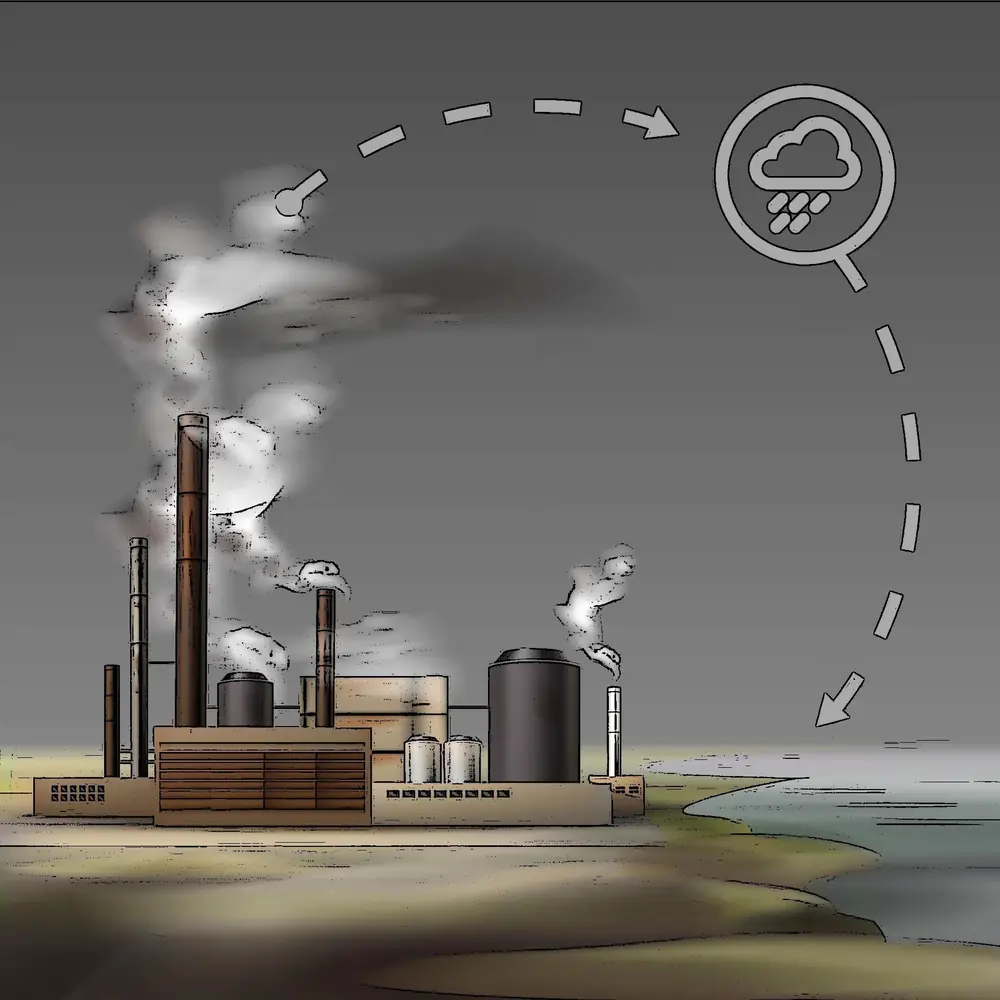
The European Union Emissions Trading System (EU ETS) is entering a new phase in which companies will be required to fully bear the cost of their greenhouse gas emissions
The European Union Emissions Trading System (EU ETS) is entering a new phase in which companies will be required to fully bear the cost of their greenhouse gas emissions. To cushion the impact on high-emission industries such as steel, aluminum, and cement, the EU had previously granted “free allowances” to reduce their carbon costs.
重點摘要
Executive Summary / Lead歐盟碳排放交易制度(EU ETS)正進入新階段,企業未來將須全面支付其溫室氣體排放的成本。為減少碳排放對鋼鐵、鋁、水泥等高碳產業的衝擊,過去歐盟提供「免費配額」減輕其碳成本。然而,這些免費配額正逐步退場。
The European Union Emissions Trading System (EU ETS) is entering a new phase in which companies will be required to fully bear the cost of their greenhouse gas emissions. To cushion the impact on high-emission industries such as steel, aluminum, and cement, the EU had previously granted “free allowances” to reduce their carbon costs. However, these free allocations are now being phased out.
企業與產業背景
Company & Industry Context與此同時,歐盟推動的「碳邊境調整機制」(CBAM)也已啟動,要求進口商為進入歐盟市場的特定產品所含碳排放支付相應費用,藉此防止「碳洩漏」,即企業將生產移往環保規範較寬鬆的國家。
At the same time, the EU’s Carbon Border Adjustment Mechanism (CBAM) has been launched. It requires importers to pay a corresponding carbon fee for specific goods entering the EU market based on their embedded emissions - an effort to prevent "carbon leakage," where companies relocate production to countries with weaker environmental regulations.
挑戰與重要性
Challenge / Why It Matters出口未納入CBAM 歐盟出口商恐失競爭力
值得注意的是,CBAM目前僅適用於進口商品,並未涵蓋歐盟出口。這導致歐盟出口商在全球市場上可能面臨不公平競爭風險,特別是與來自無碳定價制度國家的競爭對手相比。
為回應此問題,歐盟執行委員會提出一項補償計畫,將CBAM所產生的部分收入挹注於出口支持。預估2026年將編列約7,000萬歐元用於補償出口企業,至2028年CBAM年收入可能增至15億歐元。
CBAM Excludes Exports, Raising Competitiveness Concerns for EU Firms
Notably, CBAM currently applies only to imports and does not cover EU exports. This has raised concerns that EU exporters may face unfair competition in global markets, particularly against rivals from countries without carbon pricing mechanisms.
To address this, the European Commission has proposed a compensation scheme to channel part of CBAM-generated revenues into export support. An estimated €70 million will be allocated in 2026 to compensate exporting companies, with annual CBAM revenue potentially reaching €1.5 billion by 2028.
行動、方案與執行
Action / Solution / Implementation此項舉措為歐盟「潔淨工業協議」(Clean Industrial Deal)的一環,旨在提升工業競爭力並加速產業減碳。
貿易法規風險與國際爭議浮現
儘管補償措施用意良善,但可能違反世界貿易組織(WTO)規範,因該機制可能構成「出口補貼」,而WTO明文禁止大部分類型的出口補助。目前,俄羅斯已向WTO提出申訴,認為CBAM違反了《關稅與貿易總協定》(GATT 1994)及《補貼與相對應措施協定》。
同時,多個開發中國家亦在《聯合國氣候變化綱要公約》(UNFCCC)平台上表達憂慮。他們認為,CBAM這類單邊貿易措施恐加重其經濟負擔,增加氣候行動成本,並削弱巴黎協定下的國際合作精神。
This initiative forms part of the EU’s Clean Industrial Deal, aimed at enhancing industrial competitiveness while accelerating decarbonization.
Trade Law Risks and International Controversy
Despite good intentions, the compensation measure may violate World Trade Organization (WTO) rules, as it could be classified as an “export subsidy” - most forms of which are prohibited under WTO law. Russia has already filed a formal complaint at the WTO, claiming that CBAM breaches the General Agreement on Tariffs and Trade (GATT 1994) and the Agreement on Subsidies and Countervailing Measures.
Meanwhile, several developing countries have voiced concerns on the UNFCCC platform, warning that unilateral trade measures like CBAM could increase their economic burdens, raise the cost of climate action, and undermine the spirit of international cooperation enshrined in the Paris Agreement.
證據、成果與影響
Evidence / Results / Impact補償能否奏效?學界與業界意見分歧
歐盟執委會2021年的研究指出,若免費配額減半,歐盟出口商品的總值恐於2030年前下降6.8%。目前,歐盟鋼鐵產量中約24%出口,鋁產量中約17%外銷。不過,歐盟出口品項中有相當部分銷往如英國、瑞士、挪威等已實施碳定價制度的國家,碳洩漏風險相對較低。
Can Compensation Work? Academic and Industry Opinions Split
A 2021 study by the European Commission estimated that if free allowances were halved, the total value of EU exports could fall by 6.8% by 2030. Currently, about 24% of EU steel and 17% of aluminum production is exported. However, a significant portion of these exports go to countries like the UK, Switzerland, and Norway, which already have carbon pricing systems - thus posing a lower risk of carbon leakage.
產業與制度意涵
Industry & Institutional Implications批評者指出,補貼出口可能弱化產業轉型誘因,甚至加深CBAM遭外界視為貿易保護主義工具的印象。一些評論更警告,此政策可能導致「碳循環補貼」問題,即歐盟從開發中國家進口徵收CBAM費用,再將這筆資金用於補貼本國企業出口至其他市場。
Critics argue that subsidizing exports may reduce the incentive for industrial transformation and fuel perceptions of CBAM as a protectionist tool. Some warn of a potential “carbon subsidy cycle,” where CBAM revenues collected from imports - often from developing countries - are used to subsidize EU exports to third markets.
SNN 編輯與揭露前證據基礎設施觀點
SNN Editorial / Pre-Disclosure Evidence Infrastructure Perspective綜合展望:氣候政策與貿易規範拉鋸中
Outlook: Balancing Climate Policy and Trade Rules
未來展望
Future Outlook歐盟正處於產業轉型與氣候承諾的交叉路口。CBAM與相關補償政策能否在強化減碳同時維持產業競爭力,仍有待觀察。而隨著WTO爭議升溫及發展中國家壓力增加,歐盟也勢必要在國際氣候領導與公平貿易間尋找更平衡的解方。
The EU now stands at a critical juncture between industrial transformation and climate commitment. Whether CBAM and its associated compensation policies can effectively reduce emissions while maintaining global competitiveness remains to be seen. As WTO disputes escalate and pressure from developing countries grows, the EU will need to strike a more delicate balance between international climate leadership and fair trade practices.
來源、證據鏈與責任編輯
主題中心:氣候與能源轉型
SNN.TW 原始刊登紀錄 ↗