全球新聞
Levi’s推無毒牛仔藍圖
全球牛仔服飾品牌 Levi Strauss & Co. 近日公布其最新的水資源與化學品管理策略,目標在 2030 年前,所有具直接排放的供應商設施都須達到「零有害化學排放基金會」(Zero Discharge of Hazardous Chemicals Foundation,簡稱 ZDHC)所設定的「基礎級」(Foundational Level)標準,以推動時尚產業逐步淘汰有害物質。
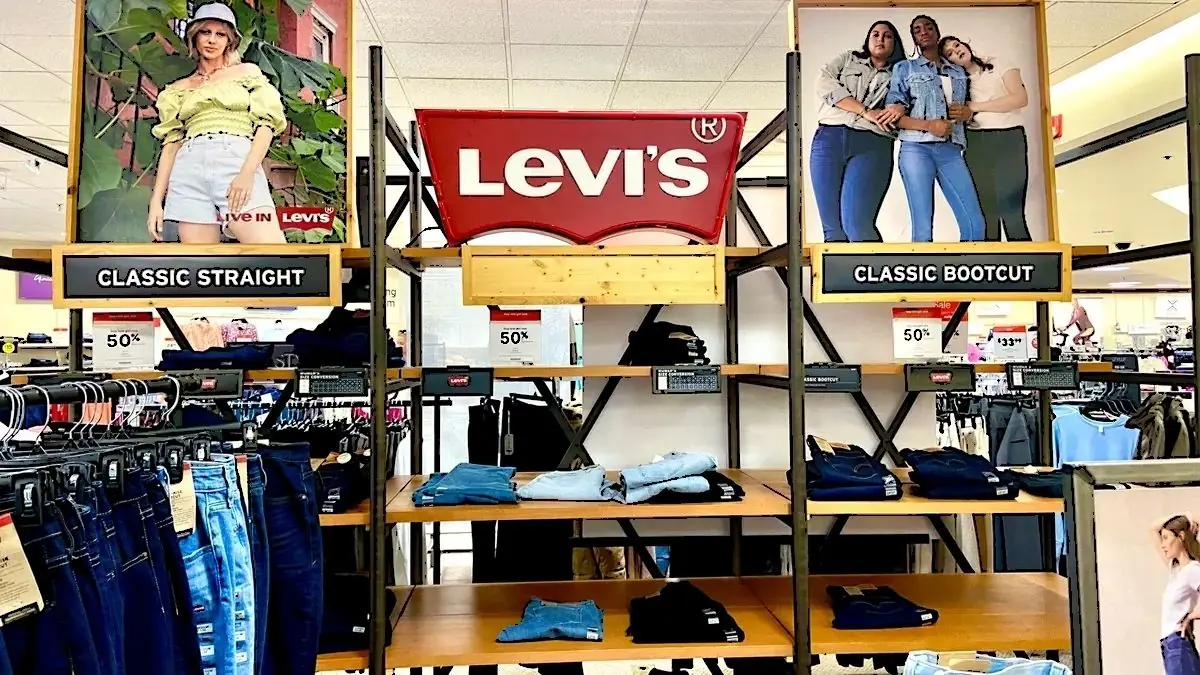
Levi’s unveils blueprint for non-toxic denim
Global denim brand Levi Strauss & Co. recently announced its latest water and chemical management strategy. It aims to require all supplier facilities with direct emissions to meet the "Foundation Level" standards set by the Zero Discharge of Hazardous Chemicals Foundation (ZDHC) by 2030 to promote the gradual elimination of harmful substances in the fashion industry.
重點摘要
Executive Summary / Lead全球牛仔服飾品牌 Levi Strauss & Co. 近日公布其最新的水資源與化學品管理策略,目標在 2030 年前,所有具直接排放的供應商設施都須達到「零有害化學排放基金會」(Zero Discharge of Hazardous Chemicals Foundation,簡稱 ZDHC)所設定的「基礎級」(Foundational Level)標準,以推動時尚產業逐步淘汰有害物質。
Global denim brand Levi Strauss & Co. recently announced its latest water and chemical management strategy. It aims to require all supplier facilities with direct emissions to meet the "Foundation Level" standards set by the Zero Discharge of Hazardous Chemicals Foundation (ZDHC) by 2030 to promote the gradual elimination of harmful substances in the fashion industry.
企業與產業背景
Company & Industry ContextLevi’s 同時設定進階目標,希望其中 25% 的設施能達到 ZDHC 的「進階級」(Progressive Level),代表這些工廠需採用更高標準的廢水處理技術,並展現更完善的化學品管理能力。
Levi’s has also set an advanced goal, hoping that 25% of its facilities will reach ZDHC’s “Progressive Level”, which means these factories need to adopt higher standards of wastewater treatment technology and demonstrate better
挑戰與重要性
Challenge / Why It MattersZDHC 是全球主要的時尚供應鏈永續倡議之一,協助品牌與供應商以更科學方式管理化學品、減少污染並強化透明度。
chemical management capabilities. ZDHC is one of the world's major fashion supply chain sustainability initiatives, helping brands and suppliers manage chemicals in a more scientific way, reduce pollution and enhance transparency.
行動、方案與執行
Action / Solution / Implementation調整用水目標 回應成效落差 Levi’s 表示,此新策略延續 2019 年所訂定的節水目標:至 2025 年將高水壓地區的製造用水量較 2018 年減少 50%。
Adjusting water use targets to respond to the performance gap Levi’s said that this new strategy continues the water conservation target set in 2019: by 2025, manufacturing water consumption in areas with
證據、成果與影響
Evidence / Results / Impact然而截至 2024 年底,公司僅達成 27%,因此調整策略與時程,以更具彈性的方式推進。
high water pressure will be reduced by 50% compared with 2018. However, by the end of 2024, the company had only achieved 27%, so it adjusted its strategy and schedule to advance in a more flexible manner.
產業與制度意涵
Industry & Institutional Implications氣候轉型與供應鏈淨零並行 這項更新策略緊接著 Levi’s 在 2024 年 10 月發布的氣候轉型計畫。
Climate transition parallels supply chain net-zero This updated strategy follows Levi’s climate transition plan released in October 2024. The company has committed to achieving net-zero supply chain emissions by 2050 and has set short-term goals:
SNN 編輯與揭露前證據基礎設施觀點
SNN Editorial / Pre-Disclosure Evidence Infrastructure Perspective該公司承諾在 2050 年前達成供應鏈淨零排放,並設定短期目標:
Levi’s emphasized that the new water management and chemical control strategy is an important part of its “Climate Action Blueprint” to ensure that the denim production process is more environmentally friendly, safe
未來展望
Future OutlookLevi’s 強調,新的水資源管理與化學品控制策略是其「氣候行動藍圖」的重要一環,旨在確保牛仔布生產過程更加環保、安全與負責任。隨著消費者與投資人日益重視供應鏈透明度,該公司也將擴大對供應商的培訓與稽核,以確保環境承諾落實。
and responsible. As consumers and investors increasingly value supply chain transparency, the company will also expand training and auditing of suppliers to ensure the implementation of environmental commitments.
來源、證據鏈與責任編輯
主題中心:氣候與能源轉型
SNN.TW 原始刊登紀錄 ↗