台灣焦點
破解核廢管理困境:台灣如何借鑒國際智慧走向永續未來
根據黃慶村的報告《我國核廢管理困境與解決對策》,台灣面臨著核廢料管理的多重挑戰。核電廠的運行和核廢料的安全處置成為社會關注的焦點,尤其是在國際社會逐步推動核電與核廢料管理技術革新的背景下,台灣必須尋求更有效的管理對策。
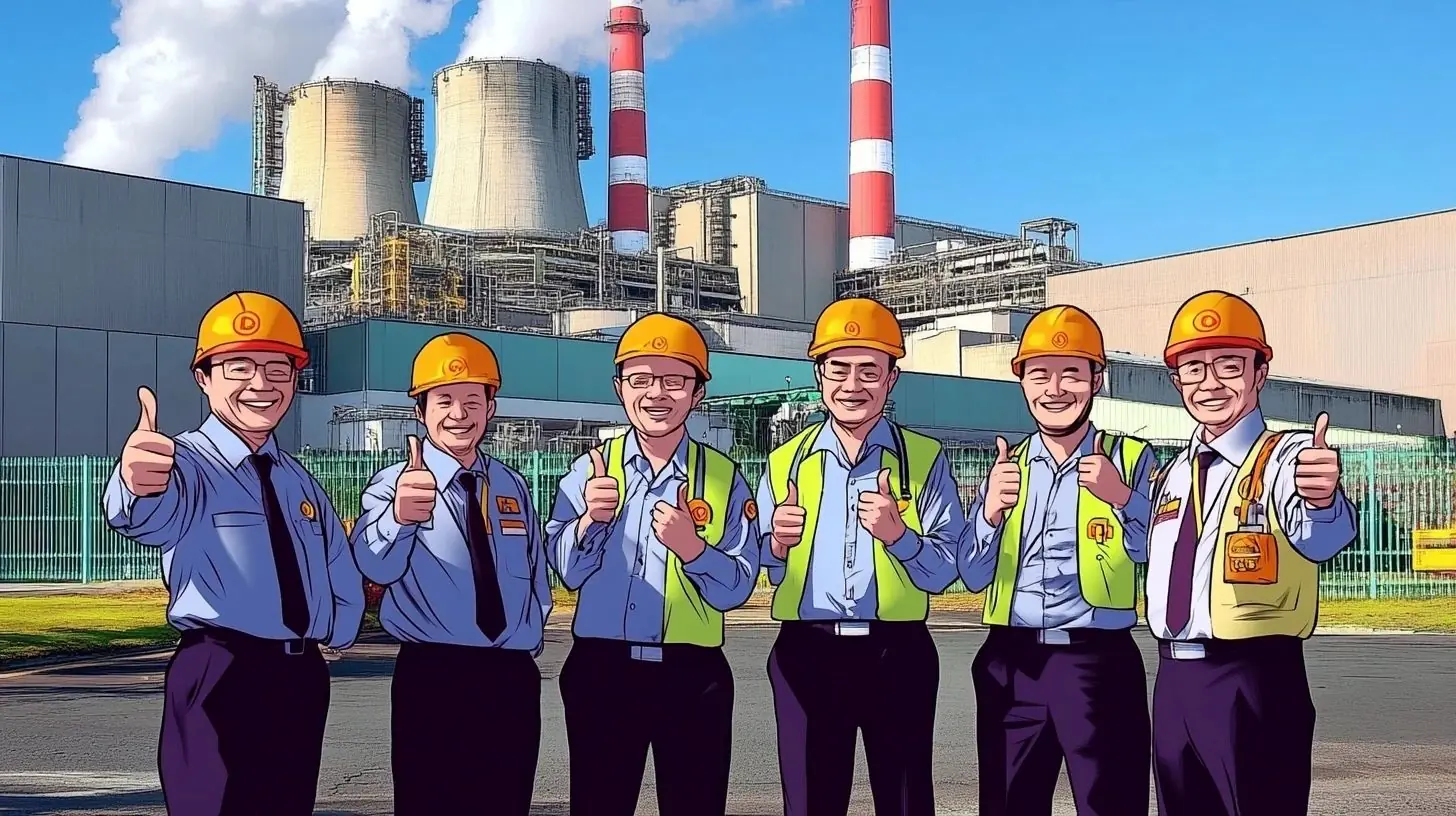
Solving the dilemma of nuclear waste management: How Taiwan can learn from international wisdom to move towards a sustainable future
According to Huang Qingcun's report "my country's Nuclear Waste Management Dilemma and Solutions", Taiwan faces multiple challenges in nuclear waste management. The operation of nuclear power plants and the safe disposal of nuclear waste have become the focus of social attention, especially as the international community gradually promotes technological innovation in nuclear power and nuclear waste management. Taiwan must seek more effective management strategies.
重點摘要
Executive Summary / Lead根據黃慶村的報告《我國核廢管理困境與解決對策》,台灣面臨著核廢料管理的多重挑戰。核電廠的運行和核廢料的安全處置成為社會關注的焦點,尤其是在國際社會逐步推動核電與核廢料管理技術革新的背景下,台灣必須尋求更有效的管理對策。
According to Huang Qingcun's report "my country's Nuclear Waste Management Dilemma and Solutions", Taiwan faces multiple challenges in nuclear waste management. The operation of nuclear power plants and the safe disposal of nuclear waste have become the focus of social attention, especially as the international community gradually promotes technological innovation in nuclear power and nuclear waste management. Taiwan must seek more effective management strategies.
企業與產業背景
Company & Industry Context核廢管理困境
Nuclear waste management dilemma
挑戰與重要性
Challenge / Why It Matters台灣目前的核廢管理陷入困境,主要原因在於技術與非技術因素的相互交織。反核的民意壓力和地方政府的「鄰避效應」使核廢料設施難以落地,加之現有法制和技術路線無法有效解決問題,導致核廢管理難以突破現狀。
Taiwan's current nuclear waste management is in trouble, mainly due to the intertwining of technical and non-technical factors. Anti-nuclear public opinion pressure and the "NIMBY effect" of local governments make it difficult to implement nuclear waste facilities. In addition, existing legal and technical routes cannot effectively solve the problem, making it difficult to break through the status quo in nuclear waste management.
行動、方案與執行
Action / Solution / Implementation國際趨勢與啟示
International Trends and Enlightenments
證據、成果與影響
Evidence / Results / Impact報告指出,國際社會在高階核廢料管理上已經取得多項突破。芬蘭和瑞典在深層地質處置技術上領先,並計劃於未來數年內啟動相關設施的運營。此外,美國正在開發更安全、成本更低的深孔地質處置技術,這些技術的進展為台灣核廢管理提供了參考方向。
The report points out that the international community has made many breakthroughs in advanced nuclear waste management. Finland and Sweden are leaders in deep geological disposal technology and plan to start operations of related facilities in the next few years. In addition, the United States is developing safer and lower-cost deep hole geological disposal technologies. The progress of these technologies provides a reference direction for Taiwan's nuclear waste management.
產業與制度意涵
Industry & Institutional Implications解決對策與建議
Solutions and suggestions
SNN 編輯與揭露前證據基礎設施觀點
SNN Editorial / Pre-Disclosure Evidence Infrastructure Perspective黃慶村強調,台灣應順應國際發展趨勢,推動核廢料的再處理技術,將用過的核燃料資源化,並進一步發展永續核電產業鏈。此外,他呼籲政府需加強與地方社區的合作,建立共存共榮的夥伴關係,並透過資訊透明與民眾參與來化解社會對核廢設施的恐懼。
Huang Qingcun emphasized that Taiwan should follow international development trends, promote nuclear waste reprocessing technology, recycle used nuclear fuel, and further develop a sustainable nuclear power industry chain. In addition, he called on the government to strengthen cooperation with local communities, establish a partnership of coexistence and common prosperity, and resolve social fears about nuclear waste facilities through information transparency and public participation.
未來展望
Future Outlook總結來說,報告認為,台灣如能借鑑國際經驗,採取更積極的核廢管理策略,不僅能解除核廢管理的困境,也能為未來核電的永續發展奠定基礎。
In summary, the report believes that if Taiwan can learn from international experience and adopt a more proactive nuclear waste management strategy, it will not only solve the dilemma of nuclear waste management, but also lay the foundation for the sustainable development of nuclear power in the future.
來源、證據鏈與責任編輯
主題中心:企業與供應鏈
SNN.TW 原始刊登紀錄 ↗