
台灣焦點
碳稅 Carbon Tax 與碳費 Carbon Fee 的區別
為了在2050年以前達到淨零排放的目標,全球已經建立了多種「碳」相關的機制,如碳稅、碳費和碳交易等。這些機制都是基於碳定價的概念,即賦予二氧化碳(CO2)價格,將其視為一種可以交易、移轉或課稅的商品。這些機制幫助企業在減碳過程中有明確的規則可循,也加速了減碳的實施。
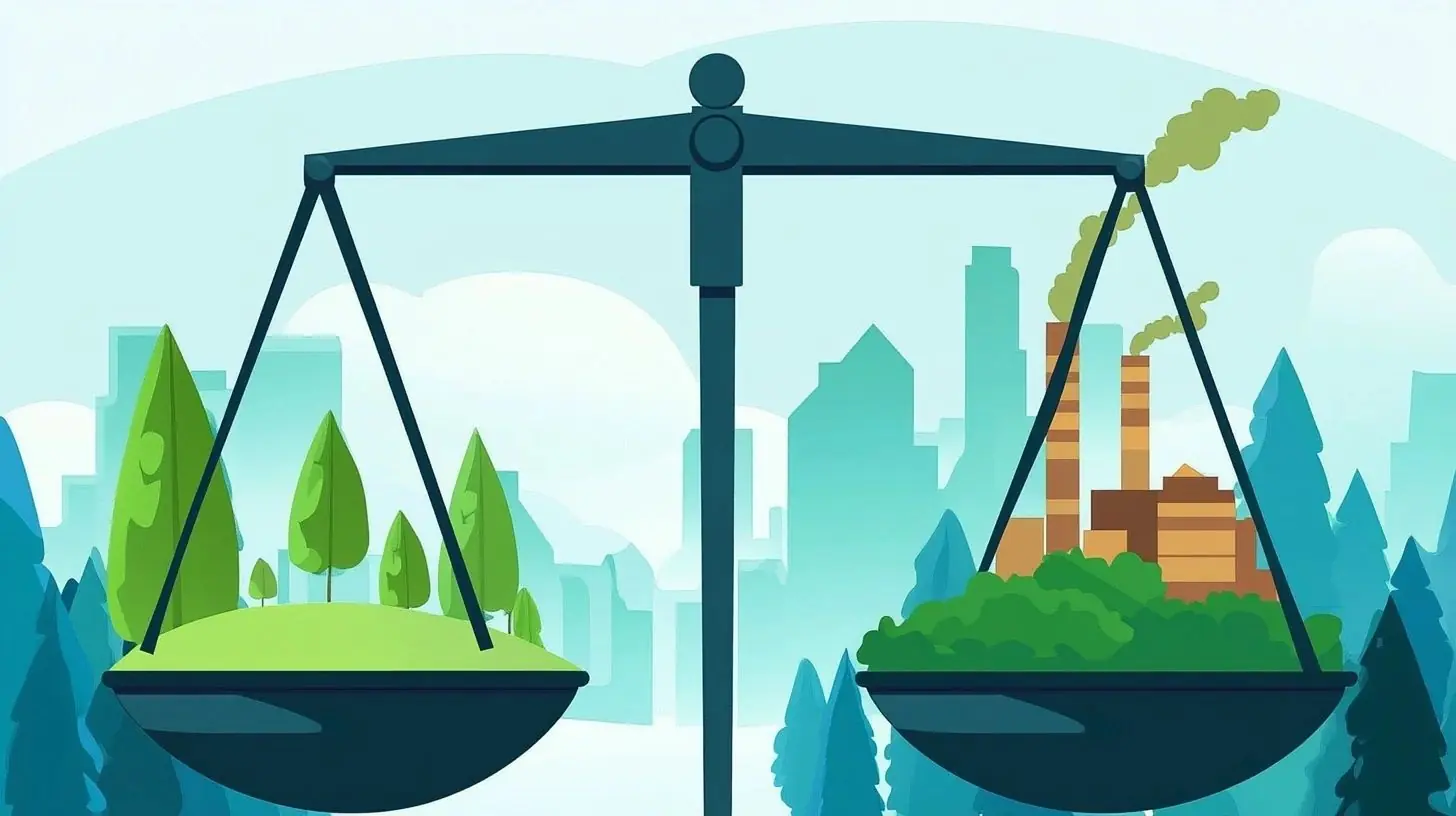
The difference between Carbon Tax and Carbon Fee
In order to achieve the goal of net-zero emissions before 2050, the world has established a variety of "carbon"-related mechanisms, such as carbon taxes, carbon fees, and carbon trading. These mechanisms are based on the concept of carbon pricing, which is to assign a price to carbon dioxide (CO2) and treat it as a commodity that can be traded, transferred or taxed. These mechanisms help companies have clear rules to follow in the process of carbon reduction, and also accelerate the implementation of carbon reduction.
重點摘要
Executive Summary / Lead為了在2050年以前達到淨零排放的目標,全球已經建立了多種「碳」相關的機制,如碳稅、碳費和碳交易等。這些機制都是基於碳定價的概念,即賦予二氧化碳(CO2)價格,將其視為一種可以交易、移轉或課稅的商品。這些機制幫助企業在減碳過程中有明確的規則可循,也加速了減碳的實施。
In order to achieve the goal of net-zero emissions before 2050, the world has established a variety of "carbon"-related mechanisms, such as carbon taxes, carbon fees, and carbon trading. These mechanisms are based on the concept of carbon pricing, which is to assign a price to carbon dioxide (CO2) and treat it as a commodity that can be traded, transferred or taxed. These mechanisms help companies have clear rules to follow in the process of carbon reduction, and also accelerate the implementation of carbon reduction.
企業與產業背景
Company & Industry Context碳稅是一種由政府直接針對二氧化碳排放量設定固定價格(稅額)的碳定價方式,通常以公噸為計價單位。這種方式將碳排放轉化為企業需承擔的成本,促使企業積極減碳。例如,如果碳稅稅額為300元/噸,一家企業的生產過程中排放了一萬噸二氧化碳,則其製造成本將增加300萬元。碳稅不僅能減少碳排放,還能為國庫增加稅收,這些稅收可以被廣泛用於社會發展、福利和基礎建設,而不受限於減碳用途。
Carbon Tax
挑戰與重要性
Challenge / Why It Matters碳費是台灣依據《氣候變遷因應法》徵收的費用,納入溫室氣體管理基金,是另一種碳定價方式。
A carbon tax is a carbon pricing method in which the government sets a fixed price (tax) directly on carbon dioxide emissions, usually in metric tons. This method converts carbon emissions into costs that companies need to bear, prompting companies to actively reduce carbon emissions. For example, if the carbon tax is 300 yuan/ton and a company emits 10,000 tons of carbon dioxide during its production process, its manufacturing cost will increase by 3 million yuan. Carbon taxes can not only reduce carbon emissions, but also increase tax revenue for the national treasury, which can be widely used for social development, welfare and infrastructure, and are not limited to carbon reduction purposes.
行動、方案與執行
Action / Solution / Implementation不同於碳稅,碳費在台灣的推動由環保署主導,所徵收的費用被專款專用於減碳和氣候適應項目。
台灣是目前唯一實行碳費制度的國家,並計劃於2024年開始徵收。
Carbon Fee
證據、成果與影響
Evidence / Results / Impact初步徵收對象包括年排放量達到2.5萬噸的電力業和製造業,總計超過500家企業。
根據環保署的公告,碳費費率將於2024年上半年決定,並根據當年的碳盤查結果,於2025年正式開始繳交。
The carbon fee is a fee levied by Taiwan in accordance with the Climate Change Response Act and is incorporated into the Greenhouse Gas Management Fund. It is another carbon pricing method. Unlike carbon taxes, the promotion of carbon fees in Taiwan is led by the Environmental Protection Agency, and the fees collected are earmarked for carbon reduction and climate adaptation projects. Taiwan is currently the only country that has implemented a carbon fee system and plans to start collecting it in 2024. The initial collection targets include the power industry and manufacturing industry with annual emissions reaching 25,000 tons, totaling more than 500 companies. According to an announcement from the Environmental Protection Agency, the carbon fee rate will be determined in the first half of 2024, and payment will officially begin in 2025 based on the carbon inventory results of that year.
產業與制度意涵
Industry & Institutional Implications碳稅與碳費的區別
The difference between carbon tax and carbon fee
SNN 編輯與揭露前證據基礎設施觀點
SNN Editorial / Pre-Disclosure Evidence Infrastructure Perspective雖然碳稅和碳費都涉及二氧化碳排放的定價,但它們有根本上的區別。碳稅屬於政府徵收的稅款,收入納入國庫,用途不受限於特定氣候議題;而碳費則是專項資金,由環保署徵收,專門用於減碳和氣候適應相關的項目。
Although carbon taxes and carbon fees both involve pricing carbon dioxide emissions, they are fundamentally different. The carbon tax is a tax levied by the government, and the revenue is included in the national treasury, and its use is not limited to specific climate issues; while the carbon fee is a special fund collected by the Environmental Protection Agency and used exclusively for projects related to carbon reduction and climate adaptation.
未來展望
Future Outlook此外,碳稅與碳費不是互斥的機制。即便台灣已採用碳費制度,未來仍有可能引入碳稅機制,特別是在國際政策如歐盟碳邊境調整機制(CBAM)影響下,可能需要做出調整以配合國際趨勢。
In addition, carbon tax and carbon fee are not mutually exclusive mechanisms. Even if Taiwan has adopted a carbon fee system, it is still possible to introduce a carbon tax mechanism in the future, especially under the influence of international policies such as the EU Carbon Border Adjustment Mechanism (CBAM), and adjustments may need to be made to match international trends.
來源、證據鏈與責任編輯
主題中心:氣候與能源轉型
SNN.TW 原始刊登紀錄 ↗