
台灣焦點
咖啡渣蓋房子,真的可以!
在全球邁向2050淨零排放的壓力下,建築業成為關鍵戰場之一。根據聯合國環境署統計,建築產業佔全球碳排放量約38%,而其中建材的生產與處理所貢獻的「隱含碳」不容忽視。在這樣的背景下,台灣科技大學(NTUST)材料科學與工程系團隊近期揭示的一項研發成果,無疑為永續建築材料領域注入一劑振奮人心的強心針。
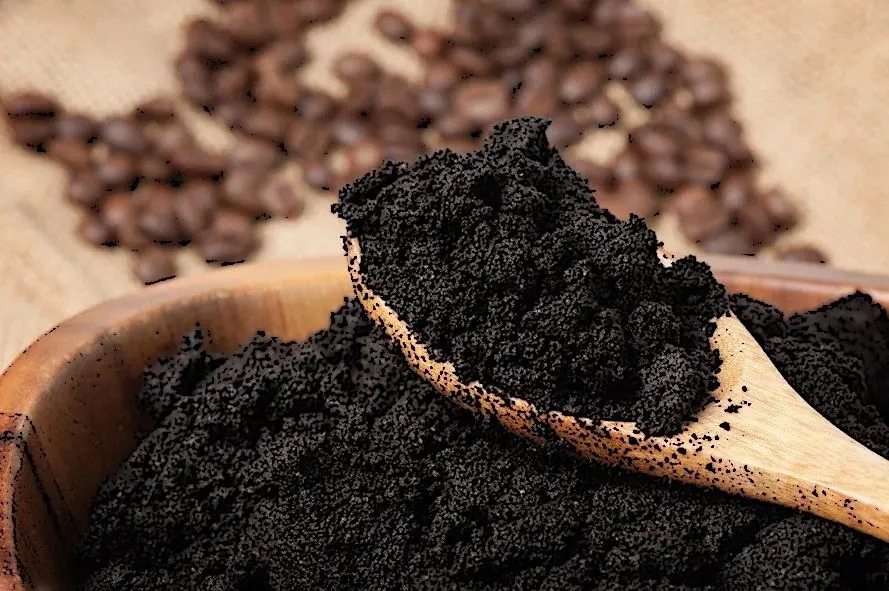
As the world races toward net-zero emissions by 2050, the construction industry has emerged as a critical battleground
As the world races toward net-zero emissions by 2050, the construction industry has emerged as a critical battleground. According to the United Nations Environment Programme, the building sector accounts for approximately 38% of global carbon emissions - with a significant portion stemming from the production and processing of building materials, known as “embodied carbon.”
重點摘要
Executive Summary / Lead在全球邁向2050淨零排放的壓力下,建築業成為關鍵戰場之一。根據聯合國環境署統計,建築產業佔全球碳排放量約38%,而其中建材的生產與處理所貢獻的「隱含碳」不容忽視。在這樣的背景下,台灣科技大學(NTUST)材料科學與工程系團隊近期揭示的一項研發成果,無疑為永續建築材料領域注入一劑振奮人心的強心針。
As the world races toward net-zero emissions by 2050, the construction industry has emerged as a critical battleground. According to the United Nations Environment Programme, the building sector accounts for approximately 38% of global carbon emissions - with a significant portion stemming from the production and processing of building materials, known as “embodied carbon.” Against this backdrop, a recent breakthrough from the Department of Materials Science and Engineering at National Taiwan University of Science and Technology (NTUST) offers a powerful and hopeful advancement in sustainable construction materials.
企業與產業背景
Company & Industry Context在教授陳建光的帶領下,該團隊歷經兩年研發,成功將日常生活中常見的咖啡渣,轉化為具備吸音、除臭、控濕與天然防蟲等多重功能的綠色建材,不僅突破材料應用的既定想像,更實現了「零黏著劑」的熱壓製程,讓這項再生建材走得更環保、更安全。
Led by Professor Chien-Kuang Chen, the NTUST team spent two years developing a green building material made from a surprisingly familiar waste product: used coffee grounds. Their innovation not only reimagines material applications but also achieves a “zero-adhesive” hot-press process, making the material both environmentally friendly and safe for use. The resulting product boasts sound-absorbing, deodorizing, moisture-regulating, and natural insect-repellent properties.
挑戰與重要性
Challenge / Why It Matters咖啡渣重生:城市廢棄物也能為氣候解方加分
全球每年消耗超過7,630萬公噸的咖啡豆,背後產生了相當驚人的咖啡渣量。傳統上,這些廢棄咖啡渣多被視為堆肥資源,但在都市空間有限、廢棄物處理壓力日增的今天,這樣的「一次性使用模式」難以因應未來永續需求。
Coffee Grounds Reborn: Urban Waste as a Climate Solution
More than 76.3 million metric tons of coffee beans are consumed globally each year, generating massive volumes of spent coffee grounds. Traditionally viewed as composting material, these grounds are increasingly difficult to manage in urban environments where space is limited and waste processing capacity is under pressure. This single-use disposal model no longer aligns with long-term sustainability needs.
行動、方案與執行
Action / Solution / Implementation台科大團隊跳脫傳統思維,重新審視咖啡渣的物理與化學潛能,發現其天然微觀多孔結構不僅適合聲波吸收,更有良好的氣味中和與濕度調節機能。這些特性使其成為高性能綠色建材的絕佳候選者,尤其適合應用於辦公室、住宅、錄音室、展演空間與電影院等對聲學與空氣品質有高度要求的場所。
零黏著劑、低碳製程:為綠建築打開材料新邊界
最令人矚目的是,此項技術採用熱壓一體成型工法,全程不添加任何化學黏著劑,避免了傳統建材中常見的揮發性有機化合物(VOCs)問題,也減少了後端處理時的環境衝擊。從生命週期角度分析,此技術大幅降低了材料碳足跡,並提升了建築系統的整體碳效益。
The NTUST team challenged conventional thinking by examining the physical and chemical potential of coffee grounds. They discovered that their natural micro-porous structure is not only excellent for sound absorption but also highly effective at neutralizing odors and regulating humidity. These properties make coffee grounds an ideal candidate for high-performance green building materials, particularly in environments such as offices, homes, recording studios, performance venues, and cinemas - places where acoustics and air quality are critical.
Zero Adhesives, Low-Carbon Processing: Pushing the Boundaries of Green Building
What truly sets this innovation apart is its adhesive-free hot-press molding technique, which eliminates the need for chemical binders. This avoids the emission of volatile organic compounds (VOCs) commonly found in traditional materials, while also reducing the environmental impact at end-of-life. From a life-cycle perspective, this technology significantly lowers the carbon footprint of the material and enhances the overall carbon performance of the building system.
證據、成果與影響
Evidence / Results / Impact相較於現有的吸音材料如聚酯纖維、礦棉或泡棉類材質,咖啡渣建材具備:
打造「在地回收 + 在地製造」的綠色產業鏈
這項技術的潛力不僅止於實驗室階段,團隊更強調其背後的系統思維:打造城市級的「咖啡渣—建材」再生循環模式。未來若能串聯在地咖啡店、生質廢棄物回收系統與區域型建材廠,將廢棄咖啡渣在城市中就地回收、轉化並應用於地區性建案翻修中,將可大幅減少建材運輸碳排,也讓都市廢棄物轉化為具商業價值的資產。
這樣的系統建構,正是落實《永續發展目標》(SDGs)第11項「永續城市與社區」、第12項「負責任的消費與生產」與第13項「氣候行動」的具體路徑。
Compared to conventional sound-absorbing materials such as polyester fibers, mineral wool, or foam-based products, coffee-ground-based panels offer:
Building a “Local Recycling + Local Manufacturing” Green Industry Chain
The potential of this technology goes beyond the lab. The research team emphasizes its systemic thinking: envisioning a city-scale circular model for converting coffee waste into building materials. By linking local coffee shops, biomass waste collection systems, and regional material factories, cities could establish a closed-loop system in which coffee waste is collected, transformed, and reapplied in local renovation projects. This approach minimizes transport-related carbon emissions and turns urban waste into commercially valuable assets.
產業與制度意涵
Industry & Institutional Implications從台灣出發,看見材料科學的永續潛能
This systems-level framework directly supports the UN’s Sustainable Development Goals (SDGs), specifically:
From Taiwan to the World: Revealing the Sustainable Power of Materials Science
SNN 編輯與揭露前證據基礎設施觀點
SNN Editorial / Pre-Disclosure Evidence Infrastructure Perspective台科大這項創新不僅是材料工程的突破,更是對全球氣候挑戰的正面回應。它提醒我們:在永續轉型過程中,許多解方其實早已存在於我們的日常生活之中,關鍵在於是否有能力重構價值鏈,並賦予「廢棄物」新的社會與經濟角色。
This innovation from NTUST is not just a materials engineering breakthrough - it is a powerful response to the global climate challenge. It reminds us that many solutions to sustainability already exist in our everyday lives. The real challenge lies in restructuring value chains and assigning new social and economic roles to waste.
未來展望
Future Outlook當淨零轉型已不再是單一產業的課題,台科大的咖啡渣建材技術提供了一種跨域整合的範例——它結合材料科學、循環經濟、城市治理與消費文化,為全球建築產業揭示了更深層的轉型可能。
As net-zero transformation becomes a shared responsibility across industries, NTUST’s coffee-ground building material offers a cross-disciplinary model - merging materials science, circular economy, urban governance, and consumer culture. It reveals deeper possibilities for transformation within the global construction sector - and a path toward more sustainable, resilient, and inclusive cities.
來源、證據鏈與責任編輯
主題中心:氣候與能源轉型
SNN.TW 原始刊登紀錄 ↗