
全球脈動
綠電報廢潮逼近
在全球加速邁向淨零的進程中,太陽能板遍佈天際線、風力發電機矗立原野、電動車穿梭街頭,乾淨能源的擴張成為全球抗暖化的核心戰略。然而,一份針對再生能源循環經濟的最新綜合研究揭露了一個被忽視的現實:在急速去碳化的同時,全世界正悄然逼近一場新的環境危機——再生能源報廢廢棄物浪潮正快速逼近。
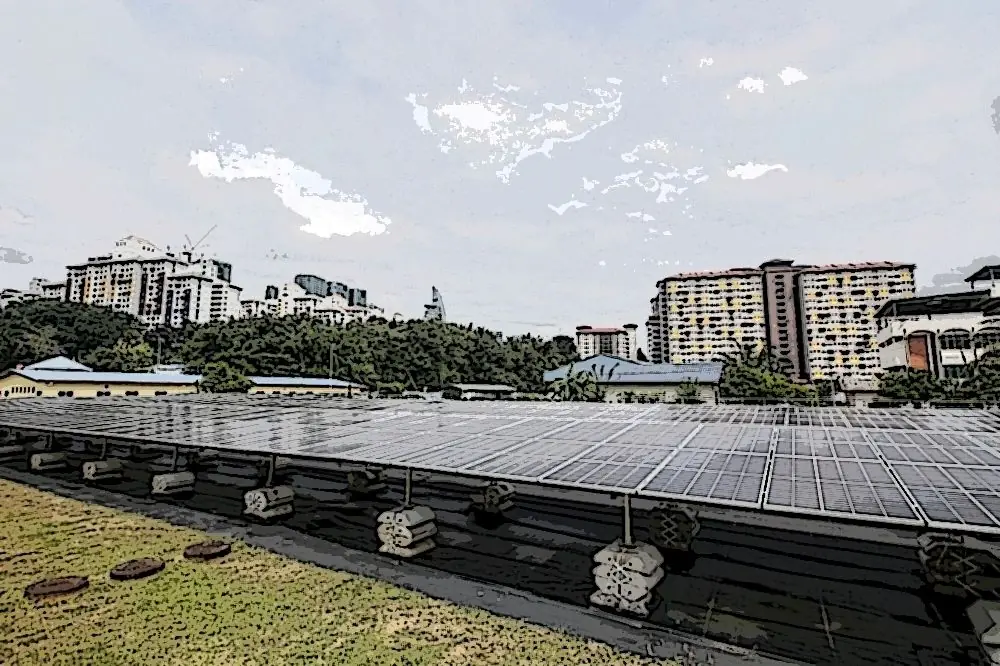
The global race toward net-zero is accelerating, with solar panels illuminating rooftops, wind turbines reshaping skylines, and electric vehicles moving quietly across cities
The global race toward net-zero is accelerating, with solar panels illuminating rooftops, wind turbines reshaping skylines, and electric vehicles moving quietly across cities. Yet beneath this momentum lies an emerging environmental challenge that threatens to undermine the very promise of renewable energy.
重點摘要
Executive Summary / Lead在全球加速邁向淨零的進程中,太陽能板遍佈天際線、風力發電機矗立原野、電動車穿梭街頭,乾淨能源的擴張成為全球抗暖化的核心戰略。然而,一份針對再生能源循環經濟的最新綜合研究揭露了一個被忽視的現實:在急速去碳化的同時,全世界正悄然逼近一場新的環境危機——再生能源報廢廢棄物浪潮正快速逼近。
The global race toward net-zero is accelerating, with solar panels illuminating rooftops, wind turbines reshaping skylines, and electric vehicles moving quietly across cities. Yet beneath this momentum lies an emerging environmental challenge that threatens to undermine the very promise of renewable energy. A recent comprehensive review of the circular economy in the renewable sector reveals an alarming paradox: while the world is building a green energy system for the future, it is doing so with a largely linear, “take-make-dispose” model inherited from the past. The solar panels and wind turbine blades installed today may well become the massive waste crisis of tomorrow - and that “tomorrow” is arriving faster than anticipated.
企業與產業背景
Company & Industry Context研究指出,當前再生能源的發展模式仍深植過去的線性邏輯,即「取用—製造—丟棄」。今日被視為減碳象徵的太陽能板與風力葉片,將在未來數十年成為難以處理的大量廢棄物,而且這個「未來」比想像得更早到來。
The study highlights that global renewable installations, especially solar and wind, are growing exponentially. But this success brings a looming waste surge. By 2050, global solar panel waste could exceed 80 million metric tons, with tens of millions more tons of composite waste from wind turbine blades. These devices consist of complex combinations of glass, silicon, rare earth elements, plastics, and advanced resins - materials that are difficult to recover yet too valuable to discard. Landfilling them would not only harm the environment but also squander critical minerals essential for future clean-energy technologies.
挑戰與重要性
Challenge / Why It Matters全球太陽能與風電裝置容量在過去十年間急速攀升,但同時也代表報廢潮逐步成形。研究預估,到 2050 年,全球太陽能板廢棄量可能超過 8,000 萬公噸,而風力機葉片的複合材料廢棄物也將達到數千萬公噸。
這些產品並非一般材料,而是由玻璃、矽、稀土、複合樹脂與高強度纖維組成。若任意掩埋,不僅造成環境衝擊,更將浪費大量寶貴的關鍵礦物資源,形成能源轉型的結構性矛盾。
The review identifies three fundamental gaps hindering the transition to a circular renewable-energy system.
行動、方案與執行
Action / Solution / Implementation研究指出,目前阻礙再生能源邁向循環經濟的三大缺口包括:
第一, 技術差距 。現有技術多屬低價值回收,例如太陽能板回收通常只能取回玻璃與鋁框,高純度矽或銀等關鍵材料往往流失;風力葉片普遍仍以掩埋或水泥窯共同處理為主,缺乏高效、可規模化的材料回收技術。
第二, 政策真空 。除了歐盟 WEEE 規範具明確的製造者延伸責任(EPR),全球大多數國家缺乏完善制度,使企業缺乏投資回收或再利用的誘因。
第三, 設計盲點 。再生能源設備主要為耐久與高效運轉而設計,而非易拆解或可再利用,意味著今日的設計即是未來 20 至 30 年的廢棄物風險。
First is the technology gap. Today’s recycling processes remain inadequate. Solar panel recycling largely recovers only low-value materials such as glass and aluminium, while high-purity silicon and silver are lost. Most wind turbine blades are still landfilled or co-processed in cement kilns. Scalable, high-value recovery technologies are urgently needed.
Second is the policy gap. Clear regulatory frameworks remain rare. The EU’s WEEE Directive stands as a crucial benchmark, but globally, extended producer responsibility (EPR) is insufficient or absent. Without strong policy incentives, industry investment in recycling, reuse and circular-design innovation remains limited.
Third is the design gap. Renewable technologies have been engineered for durability and decades-long operation - not for disassembly, refurbishment, or material recovery. Every new panel or turbine built without circular principles effectively locks in future waste risks for the next 20 to 30 years.
證據、成果與影響
Evidence / Results / Impact然而,情勢雖嚴峻,解方也已清晰浮現。研究提出三大循環策略,作為再生能源產業邁向完整永續的藍圖。
首先, 從設計端開始循環化 。製造商應採用易拆解設計(DfD/R),例如可逆性黏著劑、材質標示、自動分類友善設計,並為產品建立「材料護照」,協助未來回收。
其次, 提升高價值回收與再利用技術 。政府與產業需投資化學回收、濕法冶金等新興技術,並推動設備「再利用市場」。一片退役太陽能板仍可能維持 80% 發電效率,適合部署在農村或低耗能場域,而風機葉片也可再製成橋樑或公共設施。
Despite these challenges, the path forward is increasingly clear. The authors propose a three-pillar blueprint to build a circular renewable-energy system capable of supporting a truly sustainable transition.
The first pillar is designing for circularity. Manufacturers must adopt Design for Disassembly and Recycling (DfD/R), including reversible adhesives, standardized components, clear material labelling, and “material passports” to guide future recyclers.
The second pillar is innovation in high-value recovery and reuse. Governments and industry must support advanced chemical recycling, hydrometallurgical processes, and technologies capable of recovering high-purity materials. Equally important is expanding reuse markets: retired solar panels operating at 80% efficiency remain suitable for secondary applications, while decommissioned blades can be repurposed for infrastructure such as pedestrian bridges or architectural structures.
產業與制度意涵
Industry & Institutional Implications第三, 制定精準且具前瞻性的政策 。包括建立強制性 EPR 制度、制定回收率與再生料含量標準,創造材料循環的市場需求。
The third pillar is smart, stringent policy. Governments must implement strong EPR schemes, establish mandatory recycling targets, and set minimum recycled-content standards to create economic demand for circular materials.
SNN 編輯與揭露前證據基礎設施觀點
SNN Editorial / Pre-Disclosure Evidence Infrastructure Perspective研究強調,能源轉型的願景不應只停留在「綠色發電」,而是必須邁向真正的循環綠色。若再生能源仍以線性方式製造與報廢,將無法符合永續精神,也無法避免下一波環境負擔。
The renewable-energy transition was founded on a vision of sustainability. To fulfil that vision, green energy must also be circular energy. Without a shift away from linear manufacturing and disposal, the world risks replacing one environmental crisis with another. By treating end-of-life renewable technologies not as waste but as valuable material reservoirs for next-generation clean-energy systems, the global transition can remain both environmentally responsible and economically resilient.
未來展望
Future Outlook只有讓每一片報廢的太陽能板、每一支風機葉片都成為下一代淨零科技的原料來源,能源轉型才算真正完整。這場循環革命非但必要,更已刻不容緩。
True sustainability requires more than clean power - it requires closing the loop.
來源、證據鏈與責任編輯
主題中心:永續制度與揭露
SNN.TW 原始刊登紀錄 ↗