
全球新聞
低碳建築的新潛力正悄然發芽
作為全球經濟體中規模最大的產業之一,建築業正積極回應氣候變遷等日益嚴峻的環境挑戰,邁向更永續的發展方向。建築與基礎設施所使用的材料,占全球能源消耗與溫室氣體排放的比重甚高,推動業界尋求更環保、低碳的替代選項。
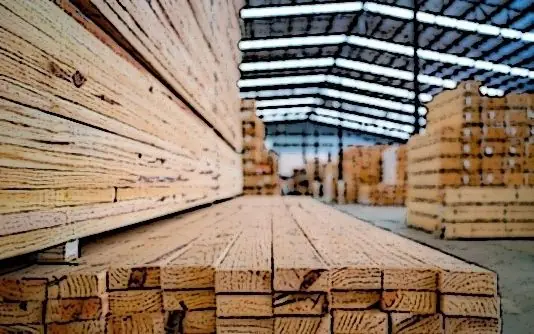
The construction industry is actively responding to the escalating environmental challenges posed by climate change, moving toward a more sustainable trajectory
As one of the largest sectors in the global economy, the construction industry is actively responding to the escalating environmental challenges posed by climate change, moving toward a more sustainable trajectory. Building and infrastructure materials account for a significant share of global energy consumption and greenhouse gas emissions, prompting the sector to seek more eco-friendly, low-carbon alternatives.
重點摘要
Executive Summary / Lead作為全球經濟體中規模最大的產業之一,建築業正積極回應氣候變遷等日益嚴峻的環境挑戰,邁向更永續的發展方向。建築與基礎設施所使用的材料,占全球能源消耗與溫室氣體排放的比重甚高,推動業界尋求更環保、低碳的替代選項。
As one of the largest sectors in the global economy, the construction industry is actively responding to the escalating environmental challenges posed by climate change, moving toward a more sustainable trajectory. Building and infrastructure materials account for a significant share of global energy consumption and greenhouse gas emissions, prompting the sector to seek more eco-friendly, low-carbon alternatives.
企業與產業背景
Company & Industry Context其中,木材因具備可再生特性,被視為混凝土與鋼鐵等高碳排建材的潛在替代品。然而,傳統木材在強度方面仍不及這些工業材料,限制其在大型工程中的應用範圍。
為突破此一瓶頸,美國佛羅里達大西洋大學(Florida Atlantic University)研究團隊攜手邁阿密大學與橡樹嶺國家實驗室(Oak Ridge National Laboratory)專家,成功研發出一種注入鐵質的強化木材(Iron-Infused Wood),其硬度可媲美鋼鐵,有望顛覆未來建築材料市場。
Among these options, wood - as a renewable resource - has emerged as a potential substitute for high-carbon materials such as concrete and steel. However, traditional wood lacks the strength of industrial materials, limiting its use in large-scale engineering applications.
挑戰與重要性
Challenge / Why It Matters簡易化學反應製程 將鐵礦注入木細胞
根據近期發表於學術期刊的研究成果,團隊以簡單的化學反應方式,將鐵與其他礦物質注入木材的細胞壁,開創出一種兼具強度與環保性的嶄新建材。此次實驗使用名為「環孔材(ring-porous wood)」的硬木品種,包括橡木、楓木、櫻桃木與胡桃木,其中以紅橡木作為主要樣本。這類木材天然具有大型導管,便於導入材料。
To overcome this bottleneck, a research team from Florida Atlantic University, in collaboration with the University of Miami and the Oak Ridge National Laboratory, has successfully developed a new iron-infused wood. This material exhibits steel-like hardness, promising to disrupt the future of building materials.
A Simple Chemical Process: Infusing Iron Into Wood Cells
According to recently published findings, the team created a novel, sustainable building material by introducing iron and other minerals into the cell walls of wood using a simple chemical reaction. The experiment focused on ring-porous hardwoods such as oak, maple, cherry, and walnut, with red oak serving as the primary sample. These types of wood naturally feature large vessels, making them ideal for material infusion.
行動、方案與執行
Action / Solution / Implementation研究人員先以硝酸鐵(ferric nitrate)與氫氧化鉀混合,產生一種常見於土壤與水中的無毒氧化鐵礦物「水合氧化鐵(ferrihydrite)」,再將其注入木材。經測試後發現,該方法不僅成本低、製程簡易,亦可顯著提升木材的物理性能——剛性提升達 260.5%,硬度增加 127%,且不會影響其彎曲或破裂的自然特性。
Researchers combined ferric nitrate and potassium hydroxide, producing ferrihydrite, a non-toxic iron oxide commonly found in soil and water. This compound was then infused into the wood. Tests showed that this low-cost, easy-to-apply process dramatically enhanced the wood’s physical properties - stiffness increased by 260.5%, and hardness by 127%, all without compromising its natural flexibility or fracture resistance.
A Breakthrough Green Material Poised to Reshape the Built Environment
證據、成果與影響
Evidence / Results / Impact突破性綠色材料 可望重塑建築生態
這項研究成果被視為永續材料科學上的一大突破,不僅有望提升建築效率,更可望減少對傳統高碳排建材的依賴,進而降低整體碳排與建築廢料。由於使用的皆為無毒物質,即便最終棄置或回收處理,也不會對環境造成危害。
研究團隊指出,這種「鐵木結合」技術可能開啟建築領域的全新篇章,未來亦有機會推廣至交通、家具、包裝等其他領域。他們期盼這項創新能激發更多生物基材料的發展,為全球面對的永續挑戰提供新解方。
This innovation marks a major breakthrough in the field of sustainable materials science. It holds the potential to increase construction efficiency, reduce reliance on traditional high-carbon materials, and lower both emissions and construction waste. Since the process uses non-toxic substances, the final material poses no environmental hazard during disposal or recycling.
The research team sees this iron-wood hybrid as a possible turning point in construction, with potential applications expanding into transportation, furniture, and packaging. They hope this innovation will inspire further development of bio-based materials to address global sustainability challenges.
產業與制度意涵
Industry & Institutional Implications邁向低碳建築的潛力關鍵
A Key to Low-Carbon Construction
SNN 編輯與揭露前證據基礎設施觀點
SNN Editorial / Pre-Disclosure Evidence Infrastructure Perspective儘管這項技術尚處於實驗階段,尚未進入商業化生產,但其潛力備受關注。就如同先前受到矚目的發光木材與大尺寸結構木(mass timber)技術,鐵注入木材若能持續優化與規模化生產,勢必將徹底改變建築產業的材料選擇與環境足跡。
Although the technology is still in the experimental stage and not yet commercially available, its potential is gaining significant attention. Similar to earlier innovations such as luminous wood and mass timber, iron-infused wood could, with further refinement and scalable production, redefine the material palette and environmental footprint of the construction industry.
未來展望
Future Outlook研究團隊對這項技術的未來應用保持樂觀。他們強調,若能進一步推動類似創新,未來建築師、設計師與施工單位將能採用更多綠色建材,建構出兼具功能、美感與永續性的建築空間。
The researchers remain optimistic about the future of this technology. They emphasize that if such innovations continue to progress, architects, designers, and builders will gain access to a wider array of green building materials, enabling the creation of spaces that combine functionality, aesthetics, and sustainability.
來源、證據鏈與責任編輯
主題中心:氣候與能源轉型
SNN.TW 原始刊登紀錄 ↗