
台灣焦點
半導體大廠收購台灣面板廠房:台積電與美光的戰略布局
SNN.TW 編輯報導SNN.TW Editorial Reporting
台灣面板廠正面臨中國競爭及疫情後需求下滑的壓力,讓友達、群創相繼關閉舊廠並積極轉型,將目標放在增加非面板業務收入,並透過出售閒置廠房轉化為業外收入,彌補虧損以提升財務表現。然而,這些交易背後的意圖不僅限於財務層面,更牽涉到買家身分帶來的潛在合作機會。
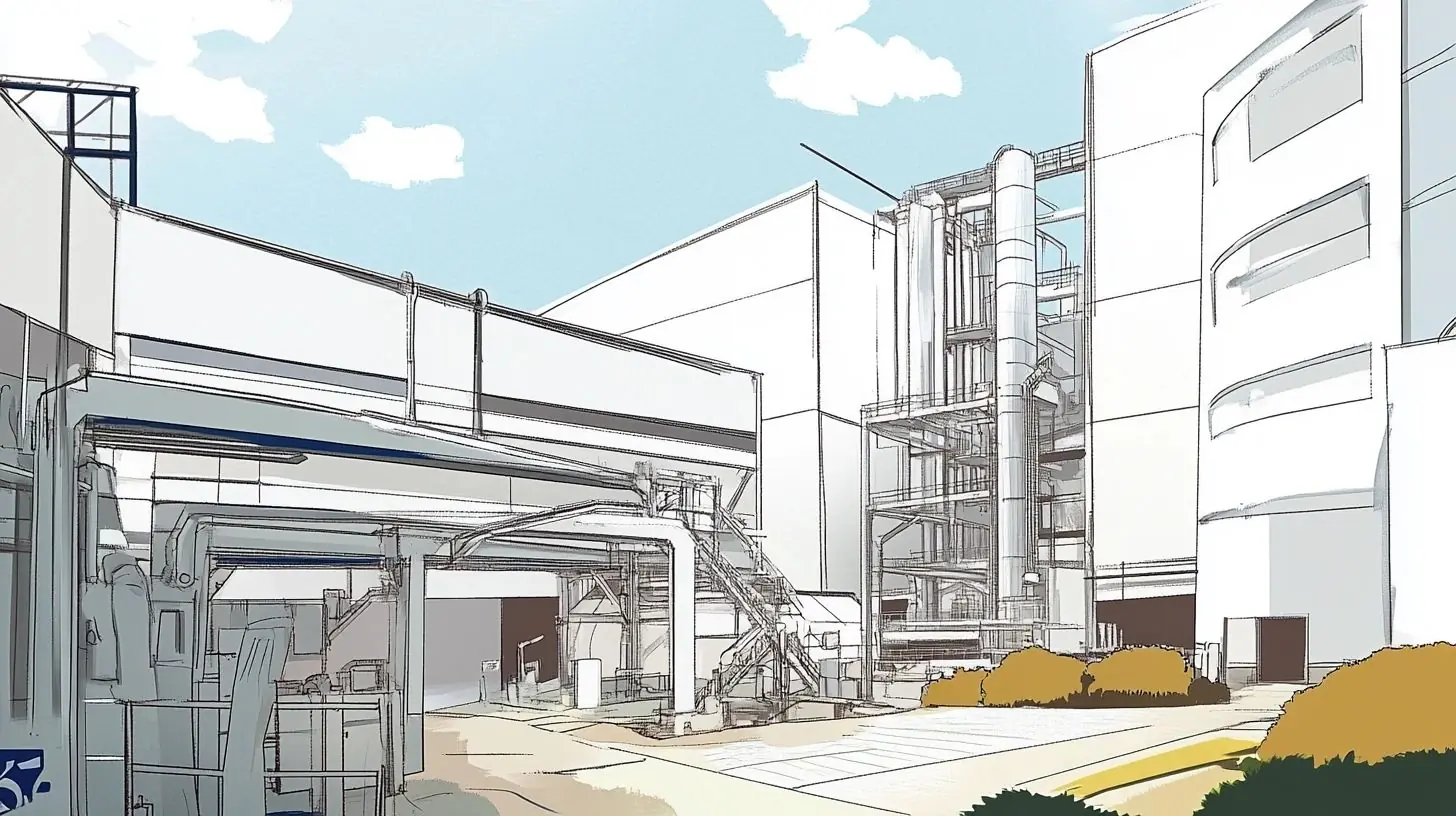
Major semiconductor manufacturer acquires Taiwan panel factory: strategic layout of TSMC and Micron
Taiwan's panel factories are facing pressure from Chinese competition and declining demand after the epidemic. AUO and Innolux have successively closed old factories and actively transformed, aiming to increase non-panel business income and convert idle factories into non-industry income to make up for losses and improve financial performance. However, the intentions behind these transactions are not limited to financial aspects, but also involve potential cooperation opportunities brought by the identity of the buyers.
重點摘要
Executive Summary / Lead台灣面板廠正面臨中國競爭及疫情後需求下滑的壓力,讓友達、群創相繼關閉舊廠並積極轉型,將目標放在增加非面板業務收入,並透過出售閒置廠房轉化為業外收入,彌補虧損以提升財務表現。然而,這些交易背後的意圖不僅限於財務層面,更牽涉到買家身分帶來的潛在合作機會。
Taiwan's panel factories are facing pressure from Chinese competition and declining demand after the epidemic. AUO and Innolux have successively closed old factories and actively transformed, aiming to increase non-panel business income and convert idle factories into non-industry income to make up for losses and improve financial performance. However, the intentions behind these transactions are not limited to financial aspects, but also involve potential cooperation opportunities brought by the identity of the buyers.
企業與產業背景
Company & Industry Context友達、群創的轉型布局
群創長期專注於扇出型面板級封裝(FOPLP)技術,此次出售南科4廠,最初的洽談對象是美光,而非最終的買家台積電。群創希望藉此交易與台積電建立合作關係,推動FOPLP技術的發展。據業界消息,群創接下來計劃出售南科5廠、6廠及竹南3廠,也將目標買家鎖定台積電。然而,業內分析認為,台積電自身也在研究FOPLP技術,是否與群創進一步合作仍有待觀察。
Transformation layout of AUO and Innolux
Innolux has long been focusing on fan-out panel-level packaging (FOPLP) technology. This time, the initial negotiation target for the sale of Nanke 4 Factory was Micron, not the final buyer, TSMC. Innolux hopes to use this transaction to establish a cooperative relationship with TSMC and promote the development of FOPLP technology. According to industry sources, Innolux plans to sell Nanke Factory 5, Factory 6 and Zhunan Factory 3, and will also target TSMC as its target buyer. However, industry analysts believe that TSMC itself is also studying FOPLP technology, and whether it will further cooperate with Innolux remains to be seen.
挑戰與重要性
Challenge / Why It Matters友達的情況則類似,其出售廠房給美光,並希望借此開啟更多合作機會。友達與美光的合作項目尚未明確,但雙方透露未來有潛在的合作可能性。雖然分析師對此合作持保留態度,但此舉仍顯示出友達對半導體業務拓展的期望。
The situation of AUO is similar. It sold its factory to Micron and hopes to open up more cooperation opportunities. The cooperation project between AUO and Micron has not yet been determined, but the two parties revealed that there is potential cooperation possibility in the future. Although analysts have reservations about this cooperation, the move still shows AUO's expectations for the expansion of its semiconductor business.
行動、方案與執行
Action / Solution / Implementation台積電與美光的戰略目的
台積電和美光購買面板廠房各有盤算。台積電在先進封裝技術CoWoS產能吃緊的背景下,透過購買群創廠房,計劃將其改造成CoWoS產線,進一步擴大產能,並保持其技術優勢不外流。美光則在人工智慧(AI)時代下,為滿足高頻寬記憶體(HBM)的需求,積極布局台灣市場,強化與台積電的合作,以提高HBM產能並鞏固其市場地位。
The strategic goals of TSMC and Micron
TSMC and Micron have their own plans for purchasing panel factories. Against the background of tight production capacity of advanced packaging technology CoWoS, TSMC purchased the Innolux factory and planned to transform it into a CoWoS production line to further expand production capacity and keep its technological advantages from leaking out. In the era of artificial intelligence (AI), in order to meet the demand for high-bandwidth memory (HBM), Micron is actively deploying the Taiwan market and strengthening cooperation with TSMC to increase HBM production capacity and consolidate its market position.
證據、成果與影響
Evidence / Results / Impact美光目前的HBM晶圓主要在日本生產,但前段測試和後段封裝重心在台灣。此次購買友達廠房,除了擴充DRAM業務的測試產能外,也被認為有可能進一步用於HBM晶圓製造,從而增加其在台灣的生產能力。這筆交易不僅顯示美光在HBM市場的野心,也反映出其希望藉由鄰近台積電的地利優勢,進一步縮短交貨時間、提升供應鏈效率。
Micron's current HBM wafers are mainly produced in Japan, but the focus of front-end testing and back-end packaging is in Taiwan. In addition to expanding the testing capacity of the DRAM business, the purchase of the AUO plant is also considered to be potentially further used for HBM wafer manufacturing, thus increasing its production capacity in Taiwan. This transaction not only shows Micron's ambitions in the HBM market, but also reflects its hope to further shorten delivery times and improve supply chain efficiency by taking advantage of its geographical advantage of being close to TSMC.
產業與制度意涵
Industry & Institutional Implications市場展望與挑戰
Market Outlook and Challenges
SNN 編輯與揭露前證據基礎設施觀點
SNN Editorial / Pre-Disclosure Evidence Infrastructure Perspective儘管美光在台灣購廠的舉動引發市場關注,但地緣政治因素使HBM晶圓製造的擴展可能更多發生在台灣以外的國家。儘管如此,台灣仍在HBM測試產能的擴充上扮演重要角色。
Although Micron's purchase of factories in Taiwan has attracted market attention, geopolitical factors mean that the expansion of HBM wafer manufacturing may occur in countries other than Taiwan. Despite this, Taiwan still plays an important role in the expansion of HBM's testing capacity.
未來展望
Future Outlook總體來看,台積電、美光通過購買台灣面板廠房,展現了在全球半導體市場競爭中的長遠戰略布局,並意圖在先進封裝和HBM市場上取得領先地位。這些交易也透露出台灣在全球半導體產業鏈中的重要性,未來合作和技術進步值得期待。
Overall, TSMC and Micron have demonstrated their long-term strategic layout in the global semiconductor market competition by purchasing Taiwanese panel factories, and intend to gain a leading position in the advanced packaging and HBM markets. These transactions also reveal Taiwan's importance in the global semiconductor industry chain, and future cooperation and technological progress are worth looking forward to.
來源、證據鏈與責任編輯
主題中心:台灣決策視角
SNN.TW 原始刊登紀錄 ↗