
全球新聞
塑膠也能變成氣候英雄?
在全球產業鏈面臨碳排挑戰與供應鏈重塑的關鍵時刻,瑞典塑料複合材料製造商 Polykemi Group 為何能在2024年實現11,800公噸的碳減量,等同6,700輛歐洲車輛的年排放?這背後的關鍵,不只是回收料的使用比例提高,更在於其「Materialsmart 智能選材系統」的精準導入,讓企業材料決策從「合規」進階為「創值」。
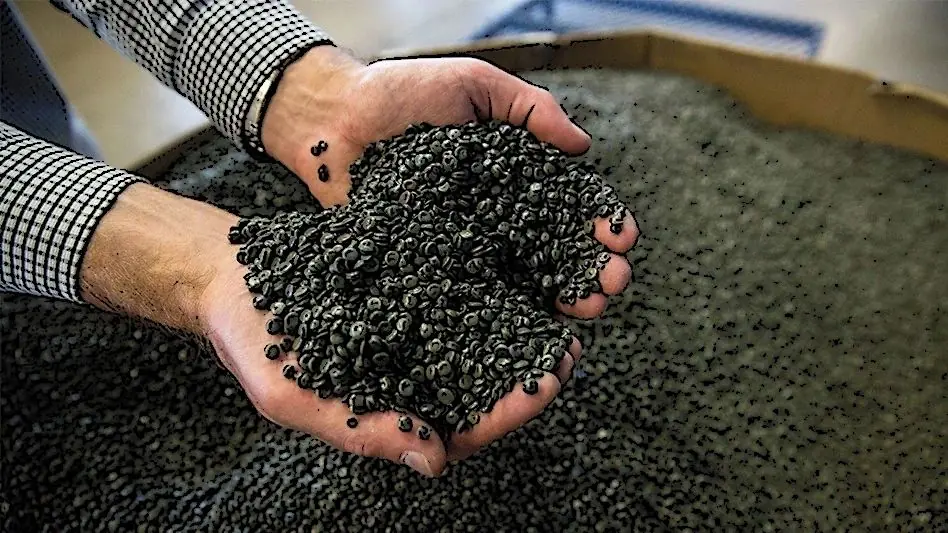
Swedish plastic composite manufacturer Polykemi Group achieved an impressive 11,800 metric tons of CO₂ reduction in 2024 - equivalent to the annual emissions of 6,700 European cars
At a pivotal moment when global industries are grappling with carbon emissions and supply chain transformation, Swedish plastic composite manufacturer Polykemi Group achieved an impressive 11,800 metric tons of CO₂ reduction in 2024 - equivalent to the annual emissions of 6,700 European cars. The secret to this success lies not only in increasing the use of recycled materials, but more importantly, in the strategic implementation of its “Materialsmart” intelligent material selection system, which has elevated material decisions from mere compliance to value creation.
重點摘要
Executive Summary / Lead在全球產業鏈面臨碳排挑戰與供應鏈重塑的關鍵時刻,瑞典塑料複合材料製造商 Polykemi Group 為何能在2024年實現11,800公噸的碳減量,等同6,700輛歐洲車輛的年排放?這背後的關鍵,不只是回收料的使用比例提高,更在於其「Materialsmart 智能選材系統」的精準導入,讓企業材料決策從「合規」進階為「創值」。
At a pivotal moment when global industries are grappling with carbon emissions and supply chain transformation, Swedish plastic composite manufacturer Polykemi Group achieved an impressive 11,800 metric tons of CO₂ reduction in 2024 - equivalent to the annual emissions of 6,700 European cars. The secret to this success lies not only in increasing the use of recycled materials, but more importantly, in the strategic implementation of its “Materialsmart” intelligent material selection system, which has elevated material decisions from mere compliance to value creation.
企業與產業背景
Company & Industry Context智慧系統 + 回收料使用 = 有效碳減的雙引擎
Smart Systems + Recycled Materials: A Dual Engine for Effective Carbon Reduction
挑戰與重要性
Challenge / Why It Matters根據 Polykemi 最新發布的《2024年永續報告》,該公司全球材料使用中已有 28.8% 來自回收塑料原料。相較於許多仍停留在「試點」階段的製造業者,Polykemi 的回收料導入已成為主流程的一環。其減碳幅度,與2021年尚未導入 Materialsmart 系統時相比,已實現等同13,400輛車輛排放的減量,展現出材料選擇與碳足跡控制之間的明確關聯。
According to Polykemi’s newly released 2024 Sustainability Report, 28.8% of the materials used across its global operations now come from recycled plastics. Unlike many manufacturers still in the pilot phase, Polykemi has fully integrated recycled materials into its core production processes. Compared to 2021 - before Materialsmart was introduced - the company’s carbon savings are now equivalent to the emissions of 13,400 vehicles, clearly demonstrating the link between material choices and carbon footprint control.
行動、方案與執行
Action / Solution / Implementation「我們真正的轉捩點,是從產品生命周期評估(LCA)數據出發,去重新思考原料供應、產品設計與客戶溝通,」Polykemi 永續專家 Henrik Palokangas 表示。
從資料透明到客戶共創:打造新型「材料責任鏈」
Materialsmart 系統的核心價值,不只在於內部決策效率的提升,更在於「將LCA數據無償提供給客戶」,讓下游品牌能將碳足跡管理延伸至產品設計與ESG揭露層面。Palokangas 表示:「客戶在取得每批材料時,都會獲得具體的環境影響資料,這使他們在開發流程、供應商篩選甚至氣候報告撰寫上,都有更堅實的依據。」
“Our real turning point came when we began rethinking raw material sourcing, product design, and customer engagement - all starting from life cycle assessment (LCA) data,” said Henrik Palokangas, Sustainability Expert at Polykemi.
From Data Transparency to Co-Creation: Building a New “Material Responsibility Chain”
The core value of the Materialsmart system goes beyond internal decision-making. By offering LCA data to clients at no cost, Polykemi empowers downstream brands to incorporate environmental impact insights directly into their product design, supplier selection, and ESG disclosures.
“When clients receive every batch of materials, they also get detailed environmental data,” said Palokangas. “This gives them a solid foundation for development decisions, supplier screening, and even climate reporting.”
證據、成果與影響
Evidence / Results / Impact更值得注意的是,Polykemi 表示其目前 已有97.74%的原料使用覆蓋完整LCA資料,這意味著其供應鏈正逐步向透明、責任導向轉型,也促使上游供應商為了進入 Polykemi 的鏈條而主動改善環境表現。
2030目標:範疇一至三全面淨零轉型
不同於只設定自身碳中和目標的企業,Polykemi 更進一步宣示至2030年將達成:
Even more notable is that 97.74% of Polykemi’s raw material usage is now covered by complete LCA data. This indicates a supply chain transition toward transparency and accountability, encouraging upstream suppliers to improve their environmental performance in order to remain part of Polykemi’s ecosystem.
2030 Goal: Net-Zero Transformation Across Scopes 1, 2, and 3
Unlike companies that only target carbon neutrality within their own operations, Polykemi has set an ambitious goal to achieve by 2030:
This inside-out approach - driving the supply chain to evolve in sync with the company - enhances climate resilience and positions Polykemi as a rare sustainability leader among Europe’s small and mid-sized manufacturers.
產業與制度意涵
Industry & Institutional Implications這種「由內而外」推動供應鏈同步進化的作法,不僅提升企業本身的氣候競爭力,也讓Polykemi成為歐洲中小製造企業中少見的「供應鏈永續領航者」。
從塑膠原料到永續轉型平台:Polykemi 的啟示
From Plastics Manufacturer to Sustainability Platform: Key Takeaways from Polykemi
SNN 編輯與揭露前證據基礎設施觀點
SNN Editorial / Pre-Disclosure Evidence Infrastructure PerspectivePolykemi 的經驗給予產業界三個啟示:
Polykemi’s journey offers three major lessons for the broader industry:
未來展望
Future Outlook在「減碳就是競爭力」的新常態下,Polykemi 用回收塑料與精算資料構築出一套實用又前瞻的路線圖。或許對許多仍在尋找減碳路徑的中型企業來說,這套「材料策略即氣候策略」的模式,值得借鏡與參考。
In a new era where carbon reduction equals competitiveness, Polykemi has crafted a practical and forward-looking roadmap using recycled plastics and data-driven precision. For mid-sized companies still searching for effective climate strategies, this approach - where material strategy becomes climate strategy - is both instructive and inspiring.
來源、證據鏈與責任編輯
主題中心:氣候與能源轉型
SNN.TW 原始刊登紀錄 ↗