
全球新聞
飛機座椅邁向循環設計 Unum 助航空業減碳轉型
隨著航空業面臨日益嚴峻的減碳壓力,飛機座椅製造商正逐步將永續性納入設計與製程的核心。Unum Aircraft Seating 公司商務發展副總裁 Alan McInnes 表示,航空公司在採購座椅時愈加重視永續性,但目前並不存在單一的標準化方案。他指出,各家製造商將可能採取多種不同的策略,以協助營運商達成永續目標,而「減重」仍然是最具效益的永續手段。
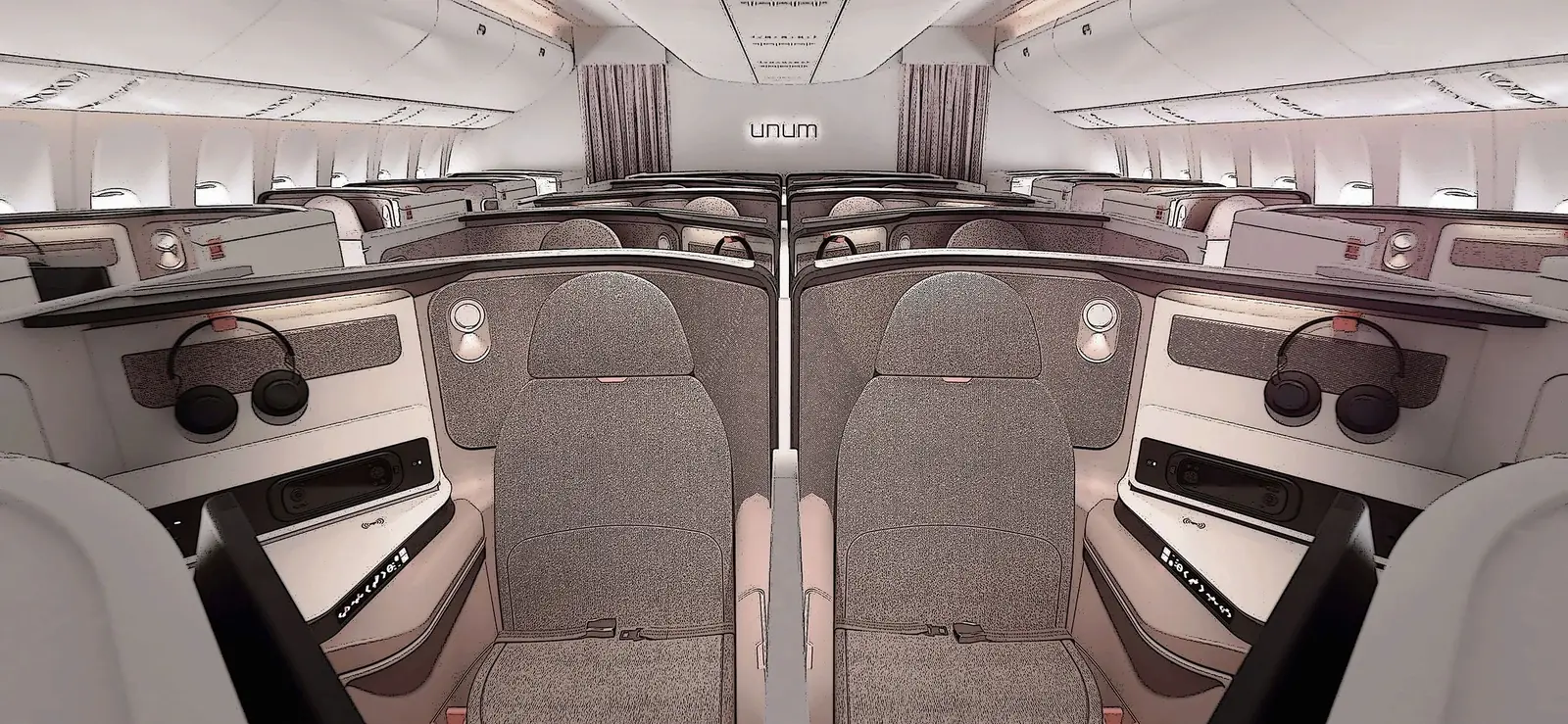
Aircraft seat manufacturers are gradually placing sustainability at the core of their design and production processes
As the aviation industry faces increasing pressure to decarbonize, aircraft seat manufacturers are gradually placing sustainability at the core of their design and production processes. According to Alan McInnes, Vice President of Business Development at Unum Aircraft Seating, airlines are placing greater emphasis on sustainability when procuring seats, although a single standardized solution has yet to emerge.
重點摘要
Executive Summary / Lead隨著航空業面臨日益嚴峻的減碳壓力,飛機座椅製造商正逐步將永續性納入設計與製程的核心。Unum Aircraft Seating 公司商務發展副總裁 Alan McInnes 表示,航空公司在採購座椅時愈加重視永續性,但目前並不存在單一的標準化方案。他指出,各家製造商將可能採取多種不同的策略,以協助營運商達成永續目標,而「減重」仍然是最具效益的永續手段。
As the aviation industry faces increasing pressure to decarbonize, aircraft seat manufacturers are gradually placing sustainability at the core of their design and production processes. According to Alan McInnes, Vice President of Business Development at Unum Aircraft Seating, airlines are placing greater emphasis on sustainability when procuring seats, although a single standardized solution has yet to emerge. He notes that different manufacturers will likely adopt a variety of approaches to help operators meet their sustainability goals - with weight reduction remaining the most impactful lever.
企業與產業背景
Company & Industry Context「我們認為,在所有永續策略中,重量依然是最關鍵的因素。」他進一步說明,航空座椅的每一克重量都會在飛行過程中轉化為燃料消耗與碳排放,因此減重仍是當前最有效的減碳槓桿。
“We believe that among all sustainability strategies, weight remains the most critical factor,” McInnes said. He explained that every gram of weight in an aircraft seat translates into fuel consumption and carbon emissions during flight, making lightweight design the most effective decarbonization tool available today.
挑戰與重要性
Challenge / Why It MattersUnum 指出,航空公司在材料選擇方面逐步推動更多的回收設計,但在實務上,混合材料的使用仍是一大挑戰。McInnes 說明,過去航空座椅的設計慣常將多種材料以膠合方式固定,雖有助於提升結構強度,但在報廢階段則形成回收困難。「這種材料混合設計在初期能發揮結構效能,但到了產品壽命終點時,要分解與分類這些材料變得非常困難。」
為了應對這項挑戰,Unum 在新一代座椅設計中採取減少膠合、增加螺絲等機械式連接的策略,以利未來維修與報廢拆解。他表示:「我們在設計上刻意減少使用膠合材料,轉而使用可拆卸式的緊固件,這讓拆解過程更具效率,也提升了零件回收的可能性。」
Unum points out that airlines are increasingly pushing for recycled content in material selection, but in practice, the use of mixed materials remains a major challenge. McInnes explained that traditional seat designs often involve bonding various materials together, which strengthens structural integrity but complicates end-of-life recycling. “These material combinations work well during the product's operational phase, but at the end of its life, disassembling and sorting the materials becomes extremely difficult,” he said.
To address this challenge, Unum has adopted a new design philosophy for its next-generation seats, focusing on reducing the use of adhesives and increasing the use of mechanical fasteners such as screws, which facilitate easier maintenance and end-of-life disassembly. “We deliberately minimized the use of bonded materials in our design, opting instead for removable fasteners, which improve dismantling efficiency and increase the potential for component recovery,” he explained.
行動、方案與執行
Action / Solution / Implementation他同時指出,碳纖維等複合材料雖然有卓越的性能,但回收系統尚未成熟,且許多材料還具有防火功能,也因此進一步增加了回收難度。另一項阻礙回收效率的關鍵問題則是「材料識別困難」。McInnes 表示:「若無法正確辨識座椅中使用的各種材料,回收作業就無從下手。」
為了解決這一痛點,Unum 與永續航空組織 Green Cabin Alliance(GCA)合作,共同開發「零件標示系統」,讓每一組件在出廠時就清楚註明其材料種類與處理方式,並能對應至維修手冊與 GCA 官方網站的材料指引。他補充說:「Unum 是首家加入 GCA 的座椅製造商,我們希望透過更透明、負責任的材料標示與回收指引,推動整個產業鏈的永續轉型。」
He also noted that while advanced composite materials such as carbon fiber offer excellent performance, the recycling infrastructure for such materials remains immature. Furthermore, many materials must also meet stringent fire resistance standards, which adds another layer of complexity to recycling.
Another critical barrier to recycling efficiency is “material identification.” McInnes pointed out, “If you can’t correctly identify what materials are used in a seat, then recycling becomes nearly impossible.”
To solve this problem, Unum has partnered with the Green Cabin Alliance (GCA) to develop a “component labeling system” that clearly specifies the material composition and disposal methods of each part at the time of manufacture. This labeling will be linked to maintenance manuals and GCA’s official materials guidance. “Unum is the first seat manufacturer to join GCA. We hope to drive sustainable transformation across the industry through more transparent and responsible material labeling and recycling guidelines,” McInnes said.
證據、成果與影響
Evidence / Results / Impact然而,選擇永續材料並非全然正面無缺,McInnes 坦言,這些新材料在導入時往往無法無縫整合至既有設計與機艙結構中,可能導致整體工程複雜化,增加額外調整或替換需求,也可能對供應鏈造成額外壓力與浪費。
「這最終還是回到設計理念,」McInnes 表示,「每一種新材料都必須經過嚴格測試,評估其結構強度、阻燃性、加工性、維修性與回收性。有效的設計策略,應該不僅滿足適航標準,更應減少零件總數,從而達成減重與永續雙贏。」
However, he acknowledged that adopting sustainable materials is not without drawbacks. These materials often do not integrate seamlessly into existing designs and cabin structures, potentially complicating engineering requirements and leading to added retrofitting needs. This, in turn, can create new pressures and inefficiencies in the supply chain.
“In the end, it all comes back to design philosophy,” said McInnes. “Every new material must be rigorously tested for structural integrity, fire resistance, manufacturability, maintainability, and recyclability. A good design strategy should not only meet airworthiness standards but also reduce part count to achieve both weight savings and sustainability.”
產業與制度意涵
Industry & Institutional Implications針對航空產業是否已準備好承接永續材料所帶來的轉型挑戰,McInnes 表示:「這是一個價值選擇的問題。」他舉例指出,鋁材長期以來是航空座椅的主要用料,雖然本身可回收,但其環境效益仍取決於其來源與生產方式。
When asked whether the aviation industry is ready to embrace the transformation that sustainable materials require, McInnes replied, “This is ultimately a question of values.” He cited aluminum, a long-standing mainstay in aircraft seat production, as an example: while it is recyclable, its environmental benefit depends largely on its origin and production method.
SNN 編輯與揭露前證據基礎設施觀點
SNN Editorial / Pre-Disclosure Evidence Infrastructure Perspective至於塑膠材料方面,Unum 選擇使用聚氯乙烯(PVC)作為座椅部件材料,該材料不僅符合航空對於耐用性與防火性的嚴格要求,且已有成熟的回收通路。「我們希望透過這些設計決策,兼顧航空級標準與永續性聲明。」
As for plastics, Unum has opted for polyvinyl chloride (PVC) for certain seat components. The material meets aviation-grade durability and fire resistance requirements and already has established recycling pathways. “We aim to balance aviation-grade performance with sustainability commitments through our design decisions,” he said.
未來展望
Future OutlookMcInnes 最後強調,航空業的永續轉型不僅是設計問題,更涉及供應鏈重整與產業標準更新,唯有產業上下游協力合作,從原料端、設計端、維修端一路整合,才能真正打造低碳循環的航空內裝新時代。
McInnes concluded by emphasizing that the sustainability transition in aviation is not just a matter of design - it requires a complete overhaul of the supply chain and an update of industry standards. Only through collaboration across the entire value chain - from raw materials to design and maintenance - can the industry truly build a low-carbon, circular future for aircraft interiors.
來源、證據鏈與責任編輯
主題中心:氣候與能源轉型
SNN.TW 原始刊登紀錄 ↗