
台灣焦點
農業部推動堆疊式補助,力求糧食安全與環境保護雙贏
SNN.TW 編輯報導SNN.TW Editorial Reporting
台灣的糧食自給率正處於令人擔憂的低點,去年底出爐的「糧食供需年報」顯示,糧食自給率已經下降至30.7%,創下十年來的新低。這一數字的背後,反映了多年的土地政策錯誤,導致農地破碎化、農戶生產規模有限,進而增加了生產成本。氣候變遷和農村老化的影響,更讓一公頃的土地難以養活一個家庭。這樣的背景下,農地卻不斷被轉化為工廠和光電設施,原本用來遏止這些亂象的國土計畫法,似乎在最後關頭卻舉步維艱。
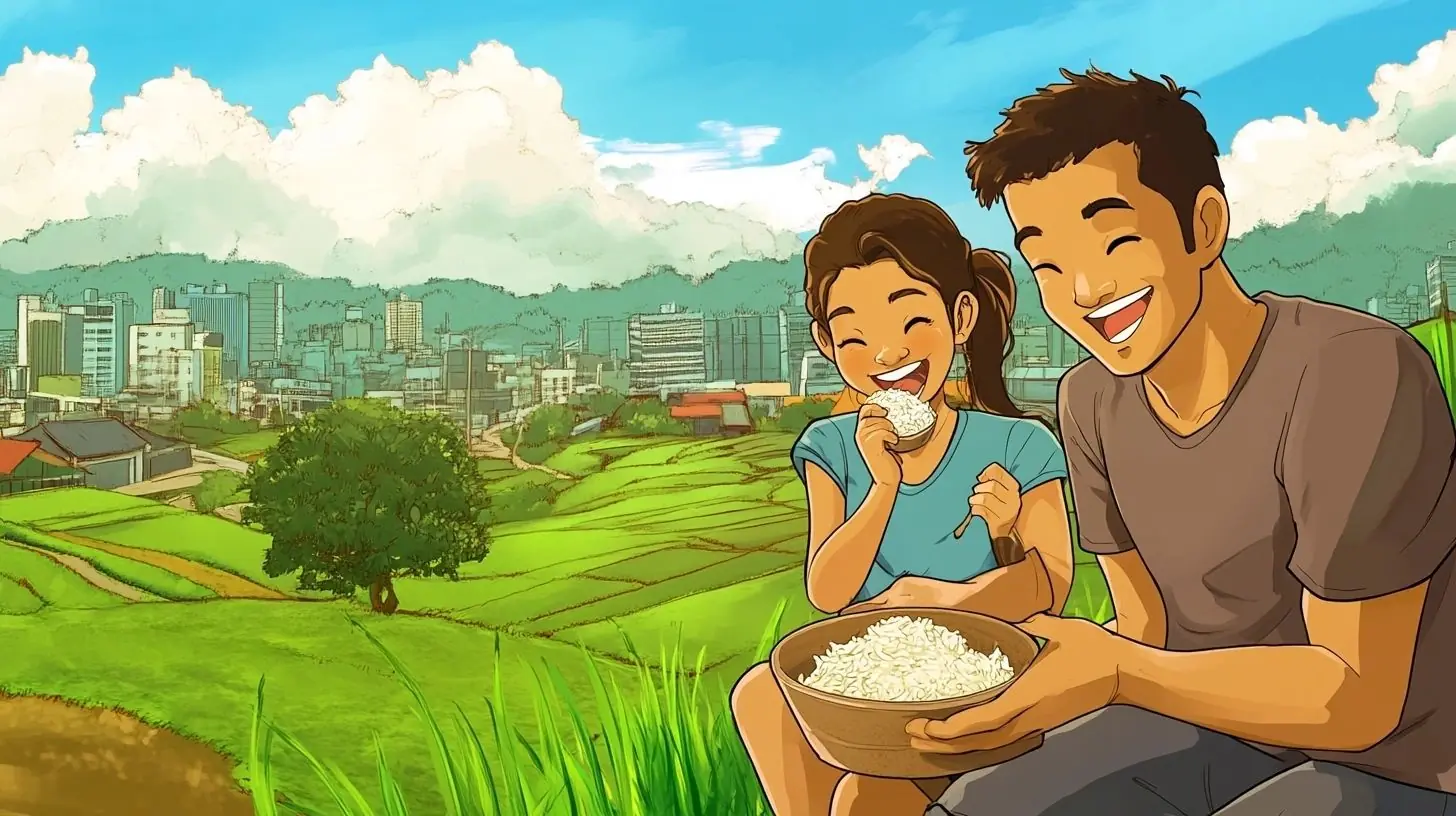
The Ministry of Agriculture promotes stacked subsidies to achieve a win-win situation for food security and environmental protection
Taiwan's food self-sufficiency rate is at a worrying low. The "Grain Supply and Demand Annual Report" released at the end of last year showed that the food self-sufficiency rate has dropped to 30.7%, a new low in ten years. Behind this number, it reflects years of land policy errors, which have led to the fragmentation of farmland and limited production scale of farmers, thereby increasing production costs. The impact of climate change and rural aging has made it difficult to feed a family on one hectare of land. Against this background, agricultural land is constantly being converted into factories and photovoltaic facilities. The land planning law originally designed to curb these chaos seems to be struggling at the last moment.
重點摘要
Executive Summary / Lead台灣的糧食自給率正處於令人擔憂的低點,去年底出爐的「糧食供需年報」顯示,糧食自給率已經下降至30.7%,創下十年來的新低。
Taiwan's food self-sufficiency rate is at a worrying low. The "Grain Supply and Demand Annual Report" released at the end of last year showed that the food self-sufficiency rate has dropped to 30.7%, a new low in ten years. Behind this number, it reflects years of land policy errors, which have led to the fragmentation of farmland and limited production scale of farmers, thereby increasing production costs. The impact of climate change and rural aging has made it difficult to feed a family on one hectare of land. Against this background, agricultural land is constantly being converted into factories and photovoltaic facilities. The land planning law originally designed to curb these chaos seems to be struggling at the last moment.
企業與產業背景
Company & Industry Context這一數字的背後,反映了多年的土地政策錯誤,導致農地破碎化、農戶生產規模有限,進而增加了生產成本。
The Ministry of Agriculture has always been responsible for maintaining food security. The transition from the Regional Planning Act to the Territorial Planning Act has set the national agricultural land demand to be maintained between 740,000 and 810,000 hectares. However, preserving agricultural land cannot rely solely on idealized visions, and farmers’ dignity cannot be maintained solely on subsidies. The Ministry of Agriculture is planning to launch more strategic stacked subsidies that will go beyond the fragmented and decentralized approach of the past. The focus will be on increasing incentives for farming through ecological environment subsidies and guiding farmers in the right direction of maintaining the environment.
挑戰與重要性
Challenge / Why It Matters氣候變遷和農村老化的影響,更讓一公頃的土地難以養活一個家庭。
In the past eight years of governance, the Ministry of Agriculture has been unable to cope with the imbalance of production and marketing, and often uses large amounts of money to cover up problems. This approach has long been criticized by the outside world. Going forward, it will be an arduous task for the Department of Agriculture to correct past mistakes and get the agricultural budget back on track. At the same
行動、方案與執行
Action / Solution / Implementation這樣的背景下,農地卻不斷被轉化為工廠和光電設施,原本用來遏止這些亂象的國土計畫法,似乎在最後關頭卻舉步維艱。
time, when agricultural land holders are determined to retain agricultural land instead of changing it for profit, and actual farmers are also working hard to overcome the risks of climate change, or reduce production for ecological protection, such efforts are not only to maintain food security, but also a public financial contribution to the entire society, and should be recognized and supported by the entire society.
證據、成果與影響
Evidence / Results / Impact農業部一直以來承擔著維護糧食安全的重任,從區域計畫法過渡到國土計畫法,設定了全國農地需求應維持在74萬至81萬公頃之間。然而,保留農地並不能只靠理想化的願景,農民的尊嚴不能僅依賴補助來維持。農業部正計劃推出更具策略性的堆疊式補助,這種補助將超越過去零碎、分散的做法,重點將放在透過生態環境補貼來提高從農的誘因,並引導農民在維護環境的正確方向上前進。
During the formal implementation of the Land Planning Act, how to achieve a balance between agricultural land and development through "peak shifting and valley filling" has become a key issue. The stacked compensation measures proposed by the Ministry of Agriculture are undoubtedly an important part of it. Scholars also suggest that part of the revenue from industry and commerce should be returned to agricultural
產業與制度意涵
Industry & Institutional Implications在過去八年的施政中,農業部面對產銷失衡顯得力不從心,經常以大量資金來掩蓋問題,這種做法被外界詬病已久。未來,農業部如何糾正過去的錯誤,讓農業預算回到正軌,將是一項艱鉅的任務。同時,當農地持有者決心保留農地而非為利所驅進行土地變更,實際務農者也在努力克服氣候變遷的風險,或者為了生態保護而降低產量時,這樣的努力不僅僅是維護糧食安全,更是對全體社會的一種公共財貢獻,應該得到全社會的認可與支持。
land, and the feedback fees paid for land changes, or the land conservation fees and impact fees after the implementation of the future land planning law, should be paid continuously. This will help narrow the gap between urban and rural areas, and also allow agricultural counties and cities to bear the responsibility for food security without unnecessary burdens due to owning a large amount of agricultural land.
SNN 編輯與揭露前證據基礎設施觀點
SNN Editorial / Pre-Disclosure Evidence Infrastructure Perspective在國土計畫法正式實施的過程中,如何以「移峰填谷」的方式讓農地與開發之間達成平衡,成為一個關鍵議題。農業部提出的堆疊式補償措施無疑是其中的重要一環,學者們也建議,應該讓工商業的部分營收回饋於農地,並將土地變更所繳交的回饋金,或是未來國土計畫法實施後的國土保育費、影響費,採取持續性繳交的方式,這將有助於縮小城鄉之間的差距,也能夠讓農業縣市在承擔糧食安全責任時不至於因為擁有大量農地而背上不必要的包袱。
As the competent authority of the Land Planning Act, the Ministry of the Interior’s Land and Resources Bureau is responsible for promoting the Regional Planning Act on the one hand, and the implementation of the Land and Land Planning Act on the other. Agricultural compensation measures are implemented by the Ministry of Agriculture. These departments should not fight alone. Future land planning will cover agricultural development areas, land
未來展望
Future Outlook內政部國土署作為國土計畫法的主管機關,一方面要負責推動區域計畫法,另一方面又要負責國土計畫法的實施,農業補償措施則由農業部來執行,這些部門之間不應該單打獨鬥。未來的國土規劃將涵蓋農業發展區、國土保育區、海洋資源區以及城鄉發展區,涉及範圍廣泛,需要跨部門的協調合作。賴清德總統領導的氣候變遷對策委員會的目標是建構韌性、永續的國土,如果在此過程中未能將國土計畫法納入核心精神,最終的努力恐怕將難以達成預期的效果。
conservation areas, marine resource areas, and urban and rural development areas, covering a wide range of areas and requiring cross-departmental coordination and cooperation. The goal of the Climate Change Countermeasures Committee led by President Lai Ching-deok is to build a resilient and sustainable land. If the Land Planning Act is not incorporated into the core spirit of this process, the final efforts may not achieve the desired results.
來源、證據鏈與責任編輯
主題中心:永續制度與揭露
SNN.TW 原始刊登紀錄 ↗